Introduction
The black mask on the cover glass is a critical, yet often overlooked, element in modern display assembly. It serves essential aesthetic, functional, and structural roles across various display technologies, from LCDs to advanced OLED panels. This article covers the definition, functional design, and manufacturing processes of the black mask. It serves as a practical guide for engineers and buyers to select the right ink solutions and validation tests, guaranteeing a high-quality, durable display assembly.
What Exactly Is Black Mask (BM) on Display Cover Glass?
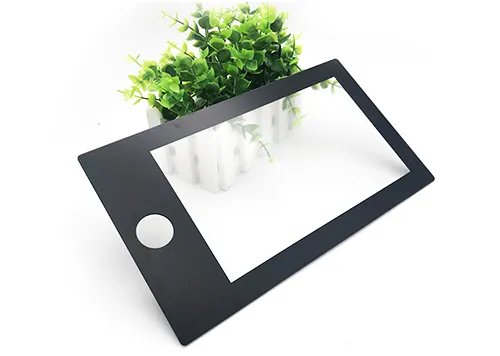
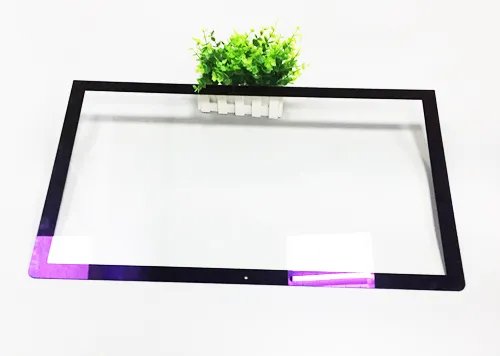
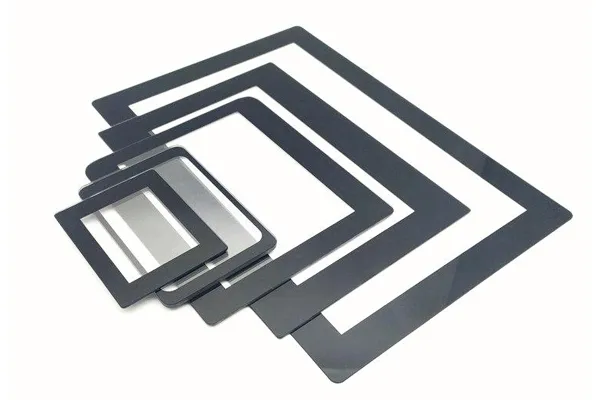
The Black Mask (BM), also known as the black border, printed border, border ink, or frame printing, refers to the carefully engineered opaque boundary layer printed or deposited onto the periphery of the display cover glass or cover lens.
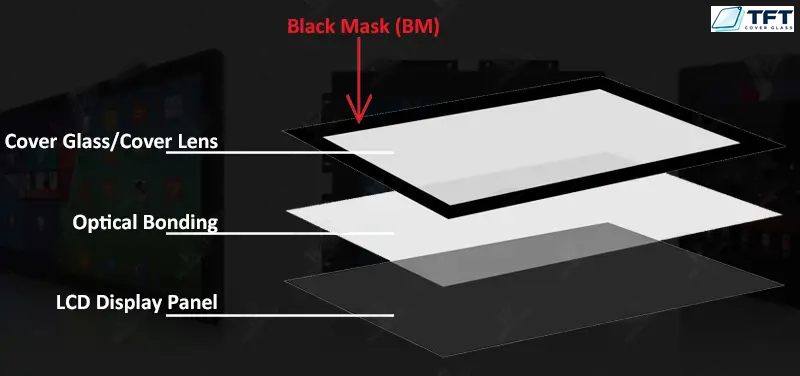
This layer is typically produced using high-opacity black shielding ink via techniques such as screen printing, inkjet printing, or photolithography. Its primary function is to create a visual frame around the active display area, designed specifically to hide underlying mechanical structures, adhesives, flex cables, and to prevent light leakage around the active display or sensor windows.
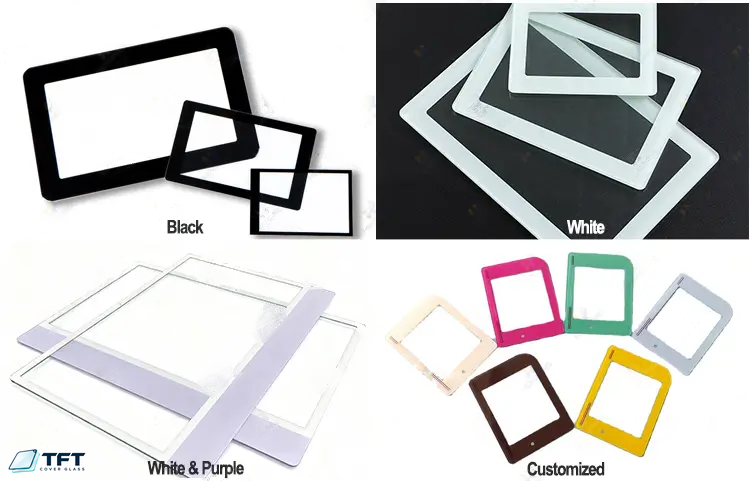
Although traditionally black for maximum performance, the color can vary (e.g., white, dark gray, or metallic effects) depending on aesthetic requirements and the printing technology utilized.
Why Black Mask Is Needed In Modern Displays?
The necessity of the black mask (BM) stems from critical functional and aesthetic requirements essential for high-quality display integration, extending far beyond mere decoration. The BM performs four key functions:
Optical Performance & Light Control
- Prevent Light Leakage and Halo Effects: The BM effectively blocks internal light emanating from the backlight or OLED panel from escaping at the edges, thereby eliminating halo phenomena around the screen. This delivers cleaner, purer image quality and significantly improves contrast and perceived depth, especially when displaying black or dark content.
- Reduce Glare and Reflection: In bright ambient conditions, the black mask absorbs and minimizes external light reflection at the screen edges, dramatically reducing glare interference. This ensures the display remains clearly visible under various lighting environments and enhances viewing comfort.
Aesthetics and Visual Integration
- Achieve Visual Unity and Premium Aesthetics: The black mask seamlessly integrates the display area with the surrounding bezel or device housing, creating a clean, unified, and premium appearance. When the screen is off, it produces the highly desirable all-black or dead front printing effect, eliminating any abrupt color transition.
- Conceal Internal Structures and Imperfections: It perfectly hides unsightly internal components such as circuits, flex cables, foam, adhesive, and minor assembly marks, ensuring the front surface appears completely clean and flawless from every viewing angle.
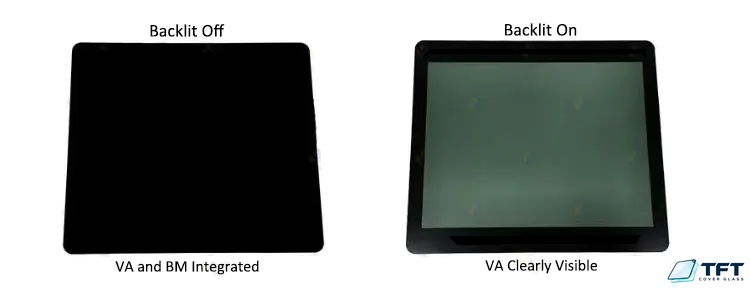
Note: In professional and high-reliability applications (automotive, medical, industrial, and camera-module projects), the black mask is most commonly a multi-layer, high-temperature-cured ink system. This approach is widely preferred because it delivers proven lifetime durability, 100% opacity, and excellent color consistency across production batches and viewing conditions.
How Black Mask Works Optically and Mechanically?
Optically: The BM functions primarily as an absorber. Its high opacity ensures that light transmission through this area is minimized. In modern displays, particularly those employing deep black designs, the BM helps achieve the “integrated black” look when the screen is off by blending seamlessly with the non-emissive display area.
Mechanically: The BM often serves as the bonding interface for subsequent lamination steps (e.g., OCA or liquid adhesive bonding) to secure the cover glass to the TFT backplane or touch sensor layer. This requires specific surface energy characteristics to ensure a strong, durable bond. (Read more: Cover Glasses for TFT Displays >>)
Typical BM Design Parameters (Width, Thickness, Opacity)
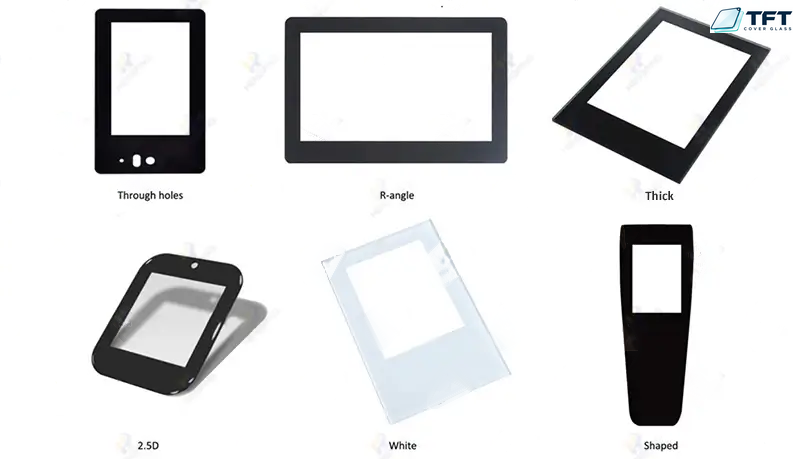
The physical dimensions of the Black Mask are strictly governed by design specifications:
- Width: The border width must be precisely controlled to cover all necessary electronic circuitry or mounting areas without encroaching upon the active display area. Precision in width directly impacts the perceived screen size.
- Thickness: Ink thickness, controlled by the printing process (e.g., squeegee pressure or mesh count), directly influences opacity. Multiple passes and curing cycles are often required to build sufficient thickness.
- Opacity: This is a critical performance metric. For effective light-blocking, the opacity must be extremely high, often measured by light transmittance being near zero in the visible spectrum.
BM Design for Different Display Types (LCD vs OLED, Touch, Sensors)
BM design is highly dependent on the underlying display technology and feature integration:
- LCDs: The BM primarily covers the perimeter seal and driver circuitry. Designs are often robust and thicker due to the need to block backlighting.
- OLED Displays: Since OLEDs emit their own light, the BM requirements are even stricter regarding contrast and preventing ambient light reflection. The alignment precision required is often higher due to the smaller bezel space.
- Integrated Touch and Sensors: When touch sensors or ambient light sensors are integrated under the cover glass, the BM design must account for optical transparency in specific, small areas (if needed for sensor windows) while maintaining light-blocking elsewhere. Surface energy control becomes critical in areas designated for adhesive bonding around these sensors.
Three Main Black Mask Forming Processes: Which One Should You Specify?
Three proven technologies dominate black mask production for display cover glass. Each offers distinct trade-offs in precision, volume capability, and cost, making the right choice critical for industrial, medical, automotive, and camera-module projects.
Silk-Screen Printing: Industry Mainstream (>90 % of Professional Volume)
The overwhelming majority of high-reliability display cover glass uses silk-screen printing because it perfectly balances performance, durability, and cost at scale.
Principle of Silk-screen Printing Black Mask
Ink is forced by a squeegee through a fine mesh screen onto the glass. Open mesh areas transfer the ink to form the pattern; areas blocked by emulsion prevent ink transfer. Multiple coating and curing cycles increase the thickness and opacity of the ink.
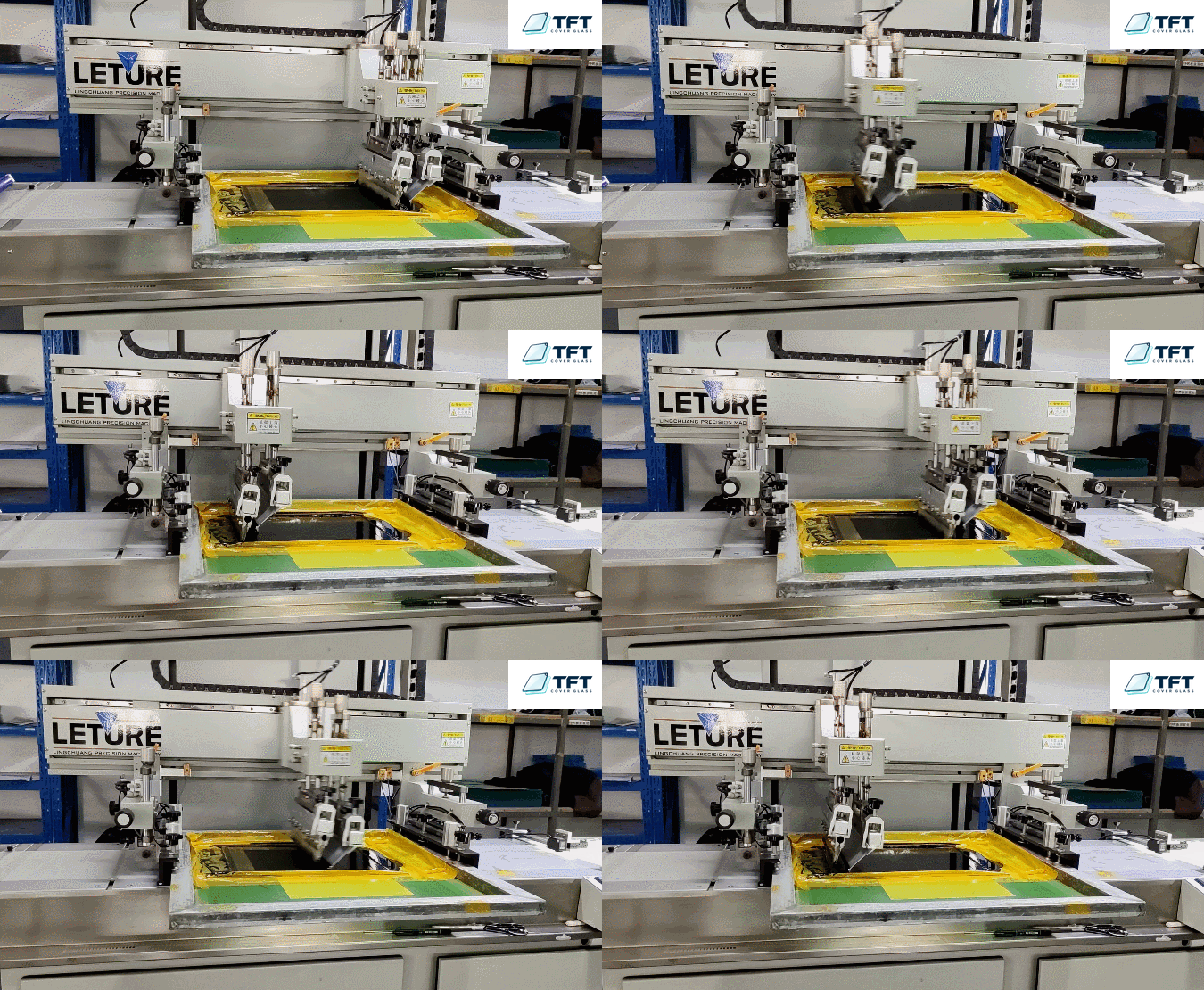
Advantages of Silk-screen Printed Black Mask
- Mature process with low cost: The process is mature and features low production costs.
- Suitable for large-area printing: It can achieve printing over large surface areas.
- Vibrant colors and strong hiding power: The printed colors are bright (vivid/vibrant) and possess excellent opacity (covering power).
- Effective for black borders: It successfully achieves the required light-blocking (shading) and decorative effects.
- High ink adaptability: Highly adaptable to various ink types (solvent-based, UV-curable, ceramic) to meet diverse performance requirements.
Disadvantages of Silk-screen Printed Black Mask
- Resolution Limit: Minimum reliable line width is approx. 70–80 μm (limited by physical mesh).
- Surface Texture: On very large panels (>500 mm diagonal), minor scraper marks or slight orange-peel texture can occasionally appear if parameters drift.
- Defect Potential: Rare pinholes or contamination are possible without strict process control.
However, thanks to full automation, real-time viscosity monitoring, advanced UV/ceramic inks, and 100% AOI inspection, defect rates for silk-screen black mask on display cover glass have dropped from 5–10% a decade ago to well below 1% today. These historical drawbacks are no longer critical issues; in professional factories, they are fully controllable.
Step-by-Step Silk-screen Black Mask Process (Factory Reality)
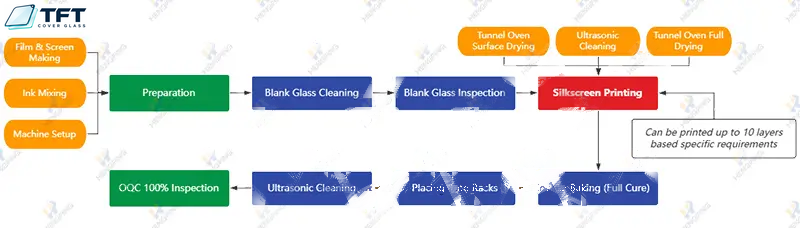
- Glass cleaning & plasma surface activation
- First-layer high-density black printing
- IR flash cure to drive off solvents
- Second and third layers for OD ≥ 5.0
- Precision registration for logos or multi-colour elements
- High-temperature baking (600–750 °C for ceramic ink)
- 100 % automated optical inspection (pinholes, colour, alignment)
- Final protective film lamination
UV Inkjet Printing: High-Resolution & Digital Customization Leader
The inkjet printing process presents unique advantages and certain limitations when used for printing the black borders on display glass cover plates.
Principle of UV Inkjet (Digital) Printing
The principle of inkjet printing involves ejecting ink through printheads onto the surface of the glass cover plate to form the pattern. Under the action of high pressure or heating, the ink in the printheads forms tiny droplets. These droplets are precisely jetted onto specific locations on the glass cover plate according to the preset pattern and computer-controlled instructions. The final black border is formed through the accumulation and subsequent drying/curing of these deposited droplets.
Advantages of UV Inkjet (Digital) Printing
- High Printing Precision: Can accurately control ink droplet size, ejection speed, and position, enabling extremely fine lines.
- Rich Color Expression & Gradients: Excellent for gradient borders or logos through mixing/superimposing droplets.
- Eco-friendly & Cost-efficient: On-demand jetting reduces ink waste compared to traditional processes.
- Personalized Customization: Rapid change of patterns without plate making; ideal for small-batch, multi-variety production.
Disadvantages of UV Inkjet (Digital) Printing
- Slower Speed: Point-by-point ejection is slower than screen printing, potentially impacting efficiency for mass production.
- Maintenance: High printhead maintenance costs and risk of clogging.
- Adhesion Challenges: Ink adhesion on smooth glass may be inferior to traditional inks, requiring careful formulation.
- Ink Cost: High-quality inkjet inks are relatively expensive.
Photolithography: Ultra-High Precision, Niche Only
Photolithography, fundamentally borrowed from semiconductor manufacturing, is employed on glass substrates when ultra-high resolution and precision patterning are paramount, especially for high-end display cover lens.
Principle of Photolithography Process
A layer of photoresist is coated onto the glass. Through exposure and development, the pre-designed pattern is transferred onto the photoresist. Finally, etching or deposition methods are used to form the black border.
Advantages of Photolithography Process
- Extreme Accuracy: Capable of producing very fine, complex patterns for micro-displays or sensors.
- Precision Control: Allows for exact control over border dimensions, shape, and alignment with other components.
Disadvantages of Photolithography Process
- Cost & Barrier: Expensive equipment and high technical barrier.
- Complexity: Complex multi-stage process (coating, exposure, development, etching) leading to lower efficiency and high costs, generally unsuitable for mass consumer electronics production.
Black Mask Ink Types: Selection Guide for Real Projects
Different applications demand different ink performance:
| Ink Type | Key Characteristics | Typical Use Case |
| High-Temperature Ceramic | Fired at 600–750 °C, extreme hardness & adhesion | Automotive consoles, outdoor industrial |
| IR-Transmitting | Blocks visible light, ≥90% transmission at 850–950 nm | Under-display cameras, LiDAR, ToF sensors |
| UV-Resistant (1250 h+) | ΔE ≤ 1.0 after 1250 h QUV-A | Marine displays, outdoor kiosks |
| Colour-Tunable | Precise a*/b* adjustment for perfect “integrated black” | Premium automotive & medical displays |
Common Tests for Black Border Printing on Glass Panels
The quality control for black borders printed on glass panels involves a rigorous battery of tests spanning physical durability, precise optical characteristics, and geometric accuracy. These evaluations ensure the border meets both display functionality and subsequent assembly requirements.
I. Physical Performance Tests
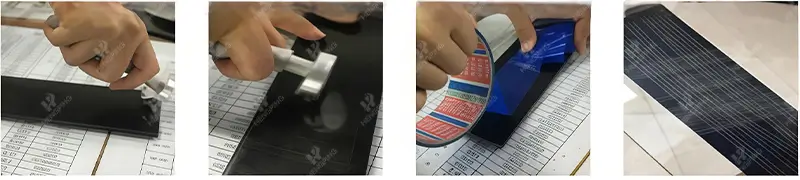
- Adhesion Test: Evaluates bonding strength using the Cross-Hatch Test (applying and peeling tape over cut squares).
- Ink Hardness Test: Assesses resistance to scratching using the Pencil Hardness Test.
- Abrasion Resistance Test: Simulates daily wear using Taber Abrasion or specific friction testers.
- Solvent/Chemical Resistance Test: Checks resistance to cleaning agents, hand perspiration, and chemicals.
- Thermal Shock / Humidity Resistance Test: Simulates long-term environmental aging to check for cracking or delamination.
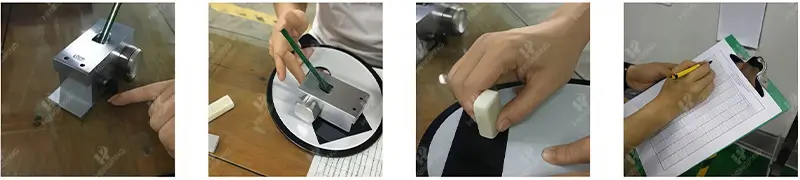
II. Optical Performance Tests
- Opacity/Light Blocking Test: Specifically for black borders, ensuring they completely block backlight (Light Leakage) with near-zero transmittance.
- Color and Color Difference Test:
- Purpose: Ensures the printed black meets strict chromaticity standards and maintains consistency (ΔE).
- Method: Measurement under D65 Light Source and d8 Geometry.
- Acceptance Range: SCI must satisfy -8 ≤ a ≤ 2* and -8 ≤ b ≤ 2*; SCE must satisfy -4 ≤ a ≤ 2* and -4 ≤ b ≤ 2*.
- Target Hue: The Target Refracted Hue (SCI) is a: -1, b: -3**.
- Uniformity Test: Checks for uneven thickness or color variation across the border area.
III. Geometric Accuracy Tests
- Line Width / Dimensional Accuracy Test: Measures if actual width and edge position conform to design specs using high-magnification microscopes or AOI.
- Edge Roughness Test: Assesses edge smoothness to prevent optical distortion.
IV. Adhesion Interface Performance Tests
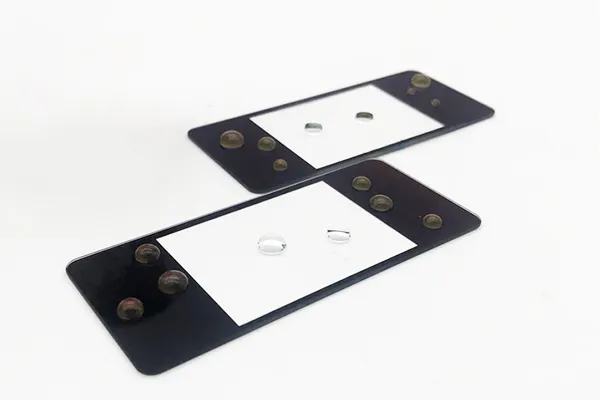
- Surface Energy Test:
- Purpose: To verify the wettability and bonding readiness of the ink layer serving as the adhesive interface for subsequent assembly.
- Common Method: Contact Angle Measurement.
- Acceptance Standard: The surface energy of the black border area must be greater than 35 mN/m.
V. Defect Inspection
- Automated Optical Inspection (AOI): Systematic scanning to identify defects like ink voids, streaks, bubbles, foreign matter, or scratches.
- Visual Inspection: Final human examination under standard lighting.
FAQs about Black Mask (BM)
How does BM integrate with coatings (AG, AR, AF, IR Ink)?
BM printing is compatible with anti-glare (AG), anti-reflective (AR), and anti-fingerprint (AF) coatings. It is often used with IR ink, where IR areas transmit infrared light (for sensors) while the surrounding BM frames the panel.
Does black mask affect display brightness or color?
No. In the active display window, the cover glass remains transparent. The BM only covers non-emissive areas. However, misalignment can cut off edge pixels, appearing as a dark intrusion.
Can black mask be printed in colors other than black?
Yes. While “black mask” implies maximum light absorption, silk-screened glass can use white, gray, or other colors. However, black remains the most effective for light blocking. “Dead-front” designs rely on precise black inks to hide icons until backlit.
Can you print gradual-color or metallic-effect borders?
Yes.
- Gradient Borders: Achievable (best with inkjet) for smooth color transitions.
- Metallic Effects: Possible using silver/gold pigments, though achieving high opacity for masking can be more challenging than with solid black.
Which industries use black mask cover glass the most?
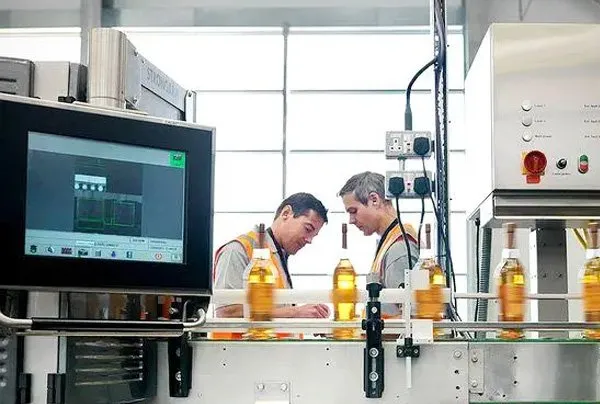
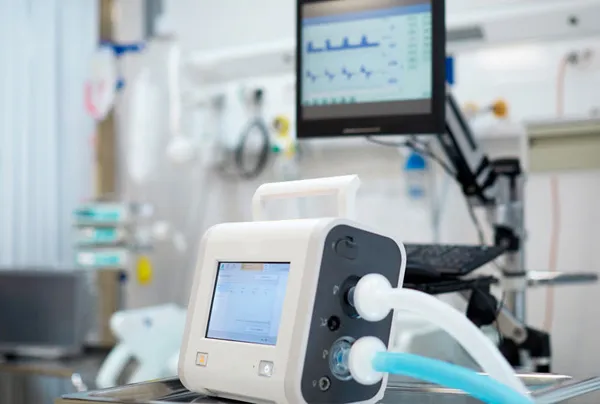
It is standard in consumer electronics (phones, tablets, smartwatches) and increasingly vital in smart locks, IoT terminals, industrial controls, medical devices, and automotive dashboards.
Conclusion
The Black Mask (BM) is a sophisticated convergence of chemistry, optics, and precision manufacturing. Whether using robust silk-screen printing or high-res inkjet, the goal remains the same: perfect integration of the display into the device.
For industrial control, medical devices, and automotive applications, reliable BM performance is non-negotiable. This is an area where TFT Cover Glass serves as a trusted partner, supplying high-precision, custom-printed cover glass panels to global leaders. Contact us today to discuss the optimal Black Mask solution for your next project.


 EN
 FR
 DE
 ES
 PT
 IT
 NL
 DA
 RU
 AR
 TR
 JA
 KO
 ID
 UK
 TH
 VI
 PL
 MS
 ET
 EL