
Silk Screen Printing
Experience the difference of expert silk screen printing. We offer custom solutions with vibrant inks and precise multi-layer capabilities for unparalleled quality on every cover glass project.
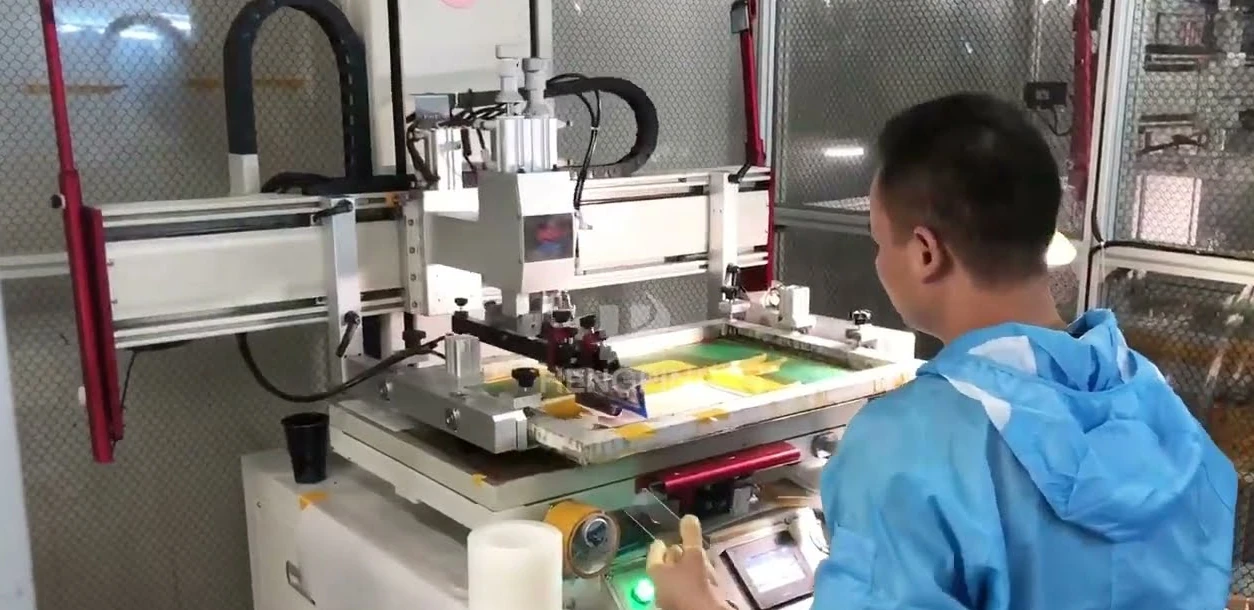
Silk Screen Printing Process
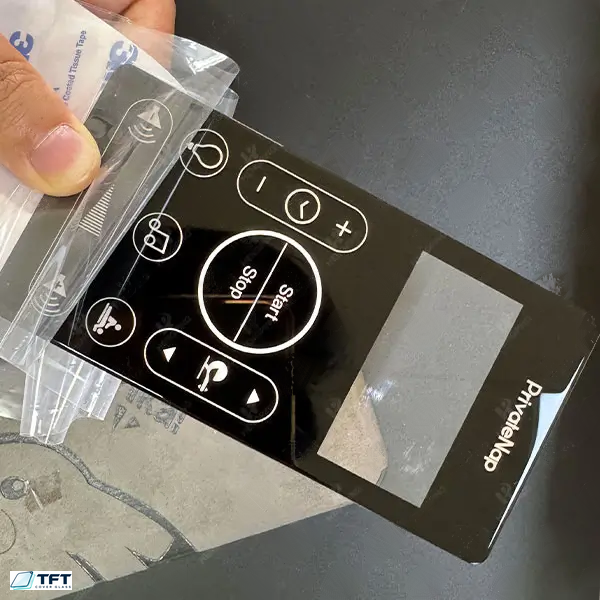
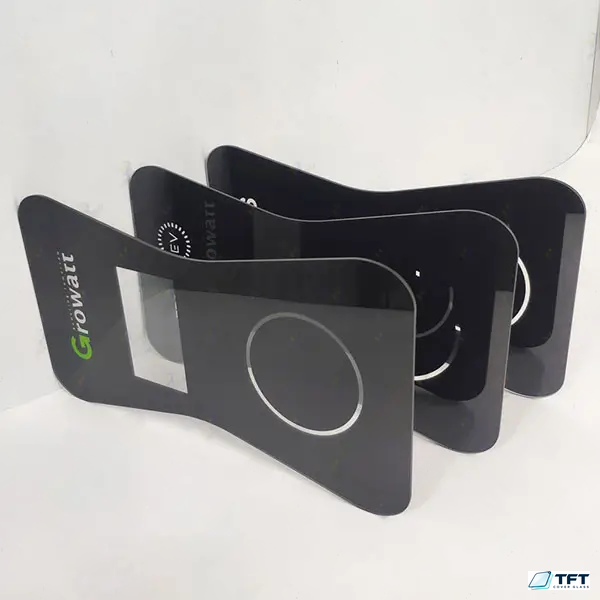
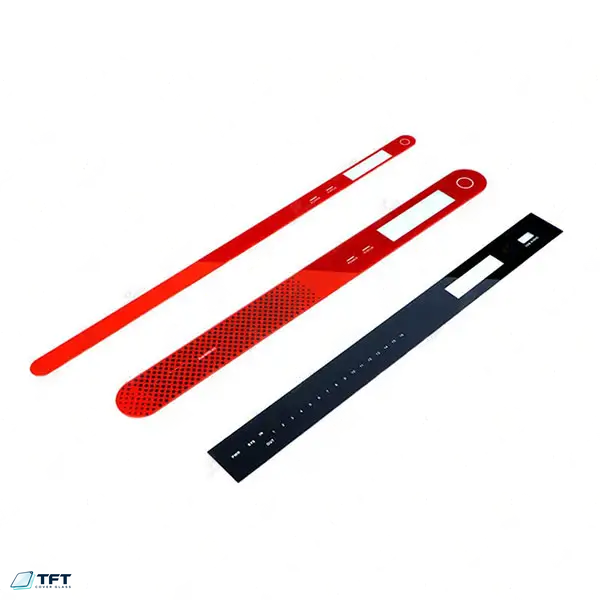
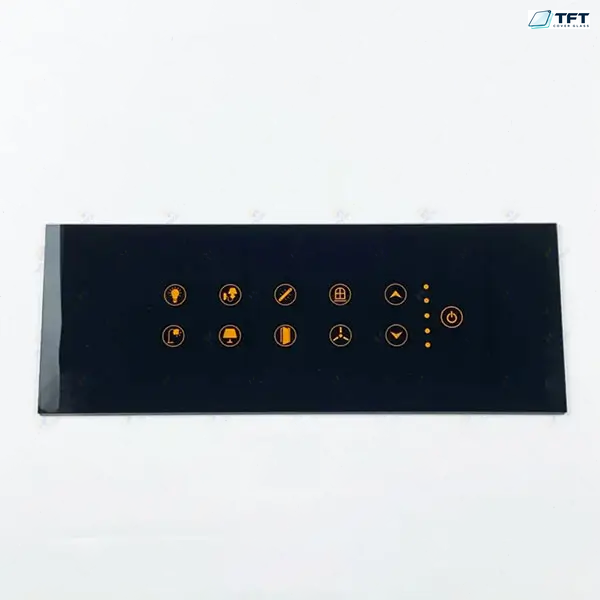
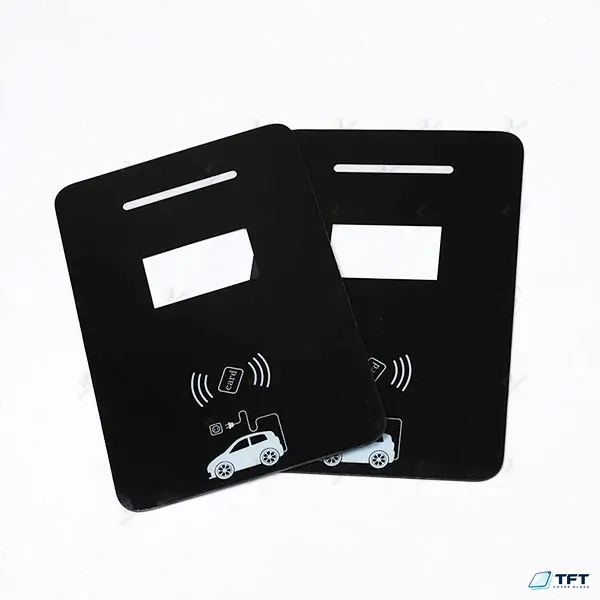
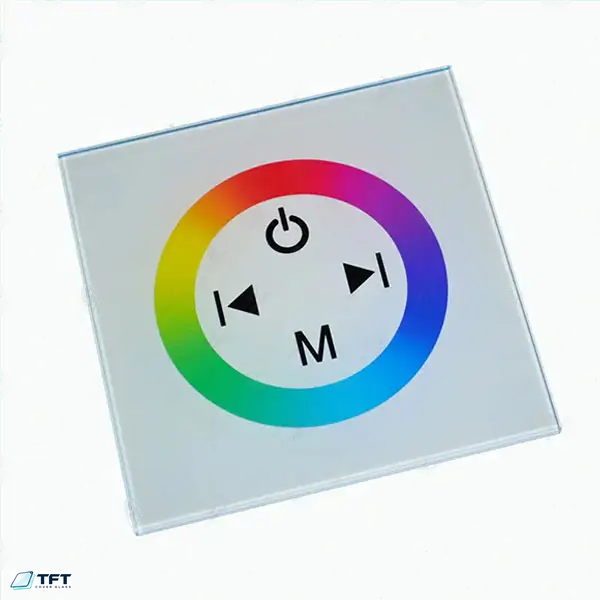
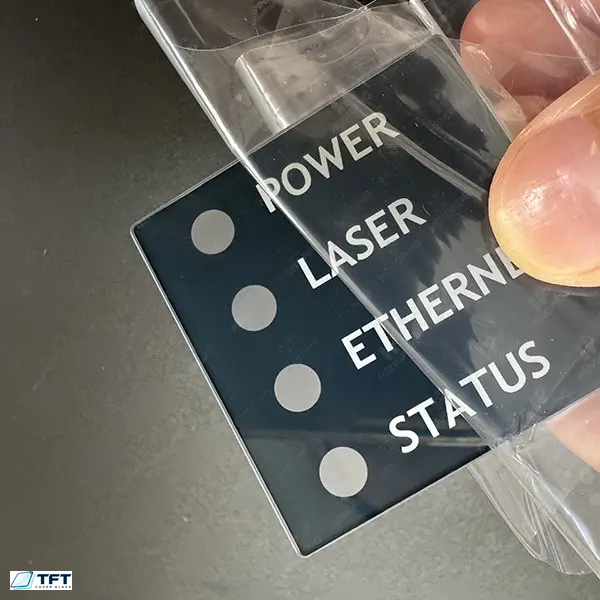
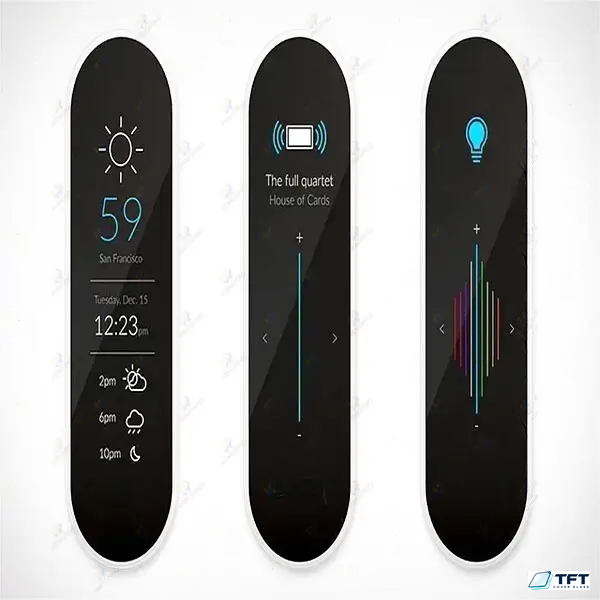
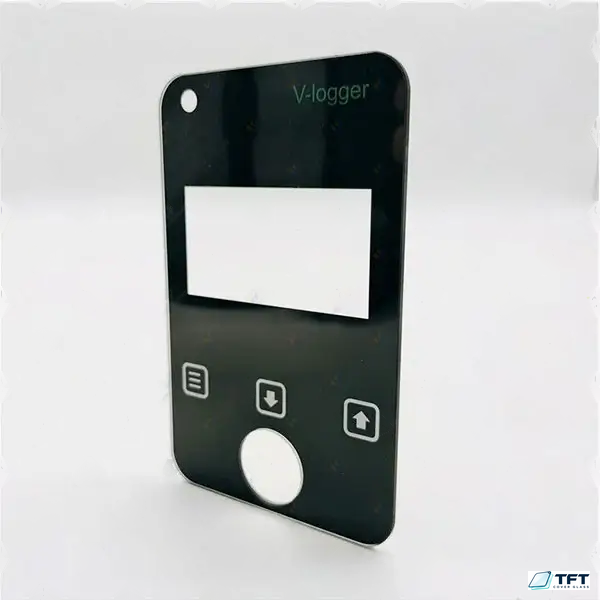
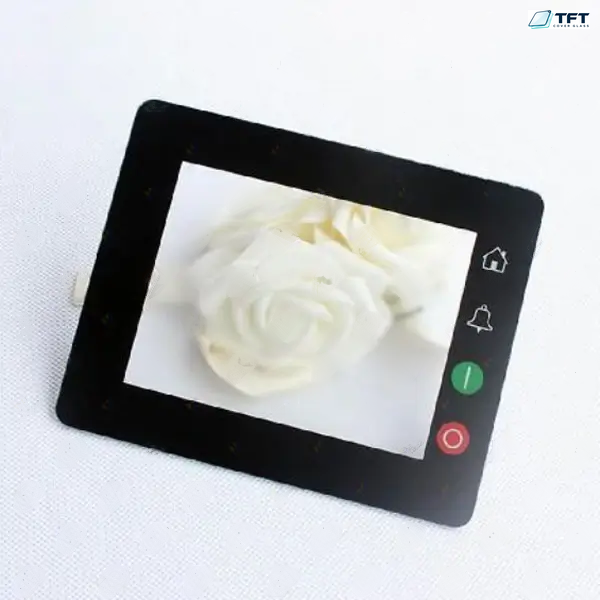
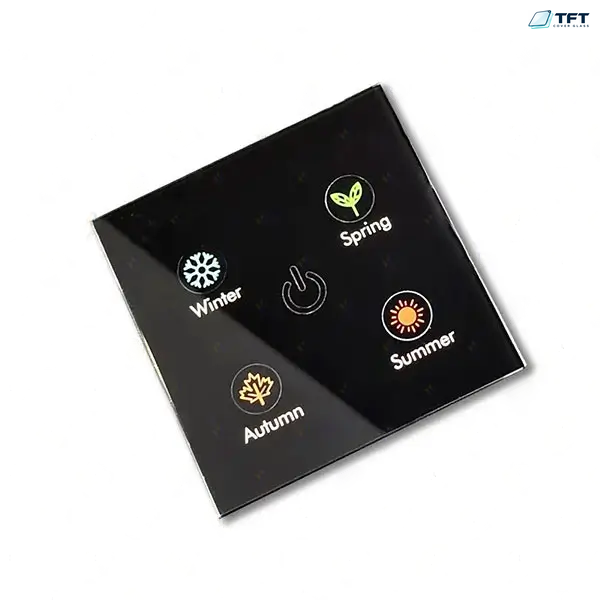
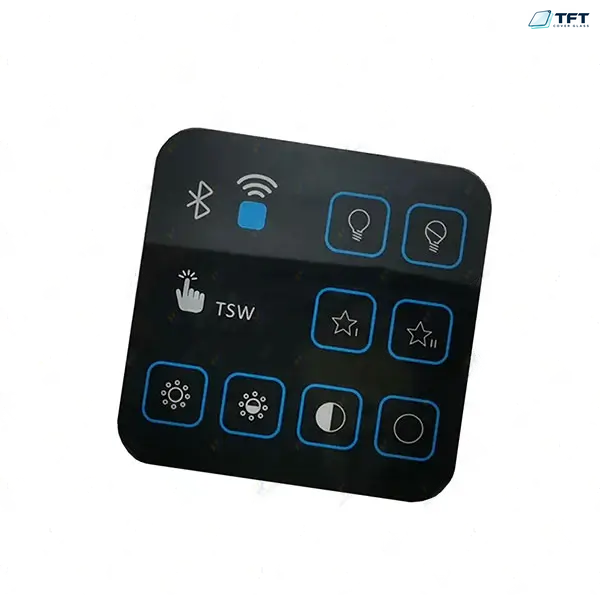
Silk screen printing is a fundamental process in cover glass panel production, offering a wide range of design possibilities. While simple black or white borders are relatively straightforward, achieving complex multi-layer, multi-color prints demands exceptional precision and stringent quality control. As a leading manufacturer of silk screen printed glass panels, TFT Cover Glass excels at delivering flawless results for even the most challenging designs.


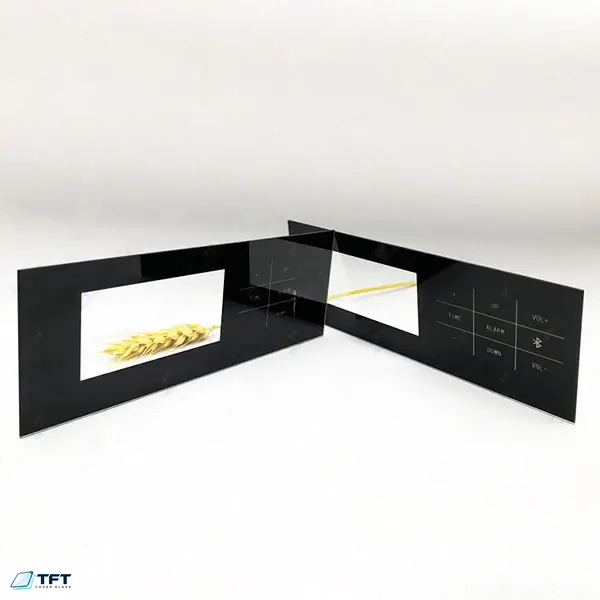
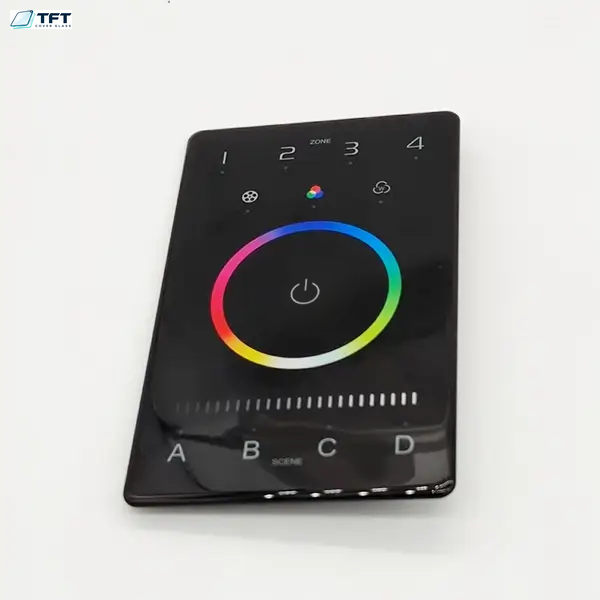
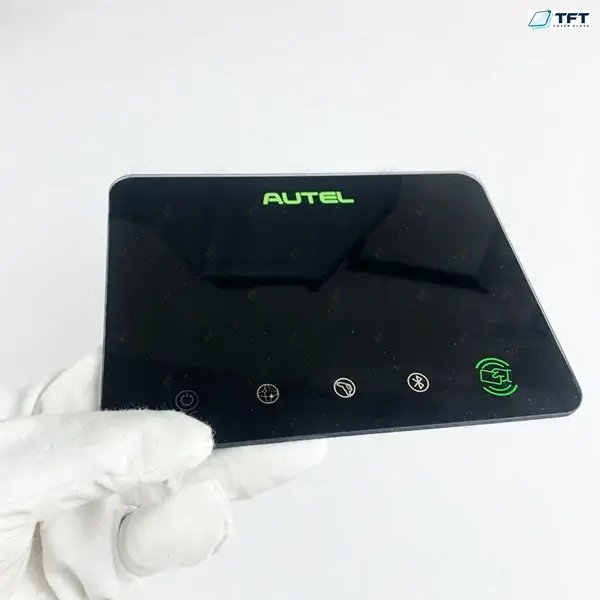
Our Silkscreen Printing Capacities
TFT Cover Glass specializes in silk screen printing to elevate cover glass for displays, touchscreens, industrial applications, medical devices, and more. With our fully automatic five-line silk screen printing line and semi-automatic equipment, we guarantee precise, durable designs that perfectly meet your projects.
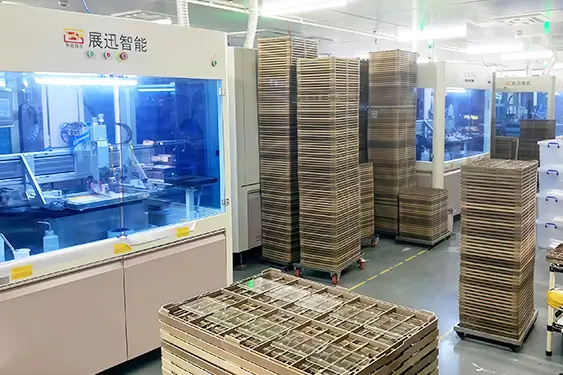
Fully Automatic Silk Screen Printing Line - 5 Colors
- High-Volume Production: Capable of processing large quantities of glass panels with rapid turnaround times.
- Exceptional Consistency: Automated controls ensure uniform ink application, color matching, and registration across all prints.
- Precise Registration: Advanced alignment systems guarantee accurate placement of multi-layer designs, achieving tight tolerances.
- Reduced Labor Costs: Automated operation minimizes the need for manual labor, resulting in cost savings.
- Minimized Handling: Automated material handling reduces the risk of damage and contamination.
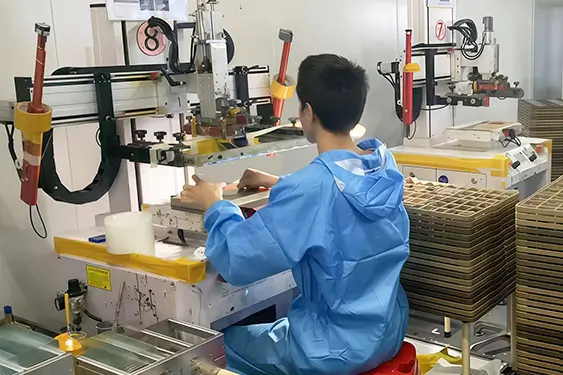
Semi-automatic Printing Machines
- Flexibility for Custom Projects: Ideal for handling small to medium-sized orders with diverse designs and specifications.
- Adaptability to Unique Requirements: Allows for manual adjustments and fine-tuning, accommodating challenging colors, shapes and substrates.
- Cost-Effective for Smaller Runs: A more economical solution for projects that don’t require the high throughput of a fully automated line.
- Excellent Print Quality: Skilled operators ensure precise ink application and sharp image details.
- Quick Changeover: Allows for fast and easy changeover between different designs and colors.
Explore Our Silkscreen Printing Workshop
Our silkscreen printing workshop boasts a Class 1000 cleanroom, ensuring a controlled environment for precise and contamination-free printing on cover glass panels.
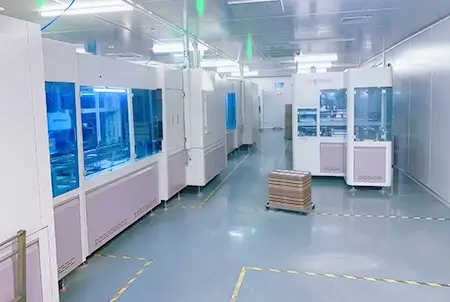
Duty-free Silkscreen Printing Workshop
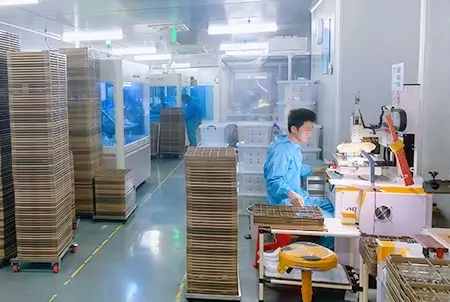
Semi-Auto Silkscreen Printing Machine
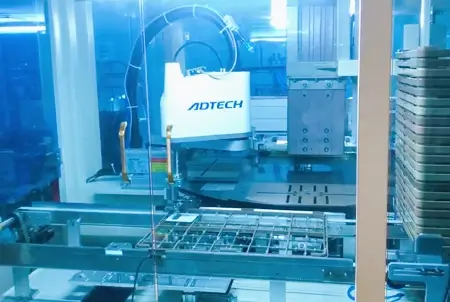
Automatic 5-Colors Screen Printing Line
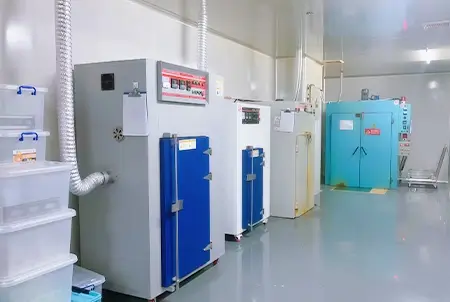
Screen Printed Glass Curing Ovens
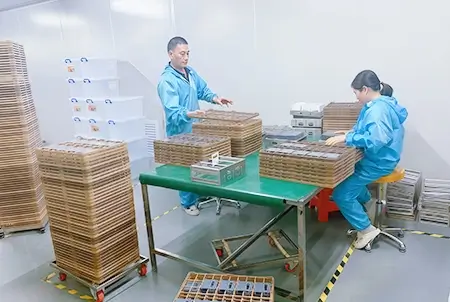
Cover Glass Rack
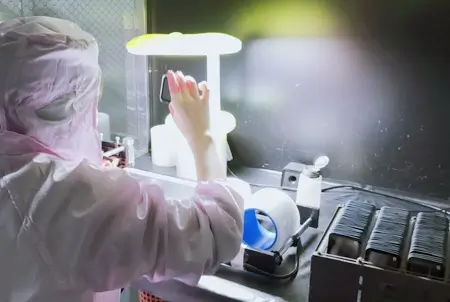
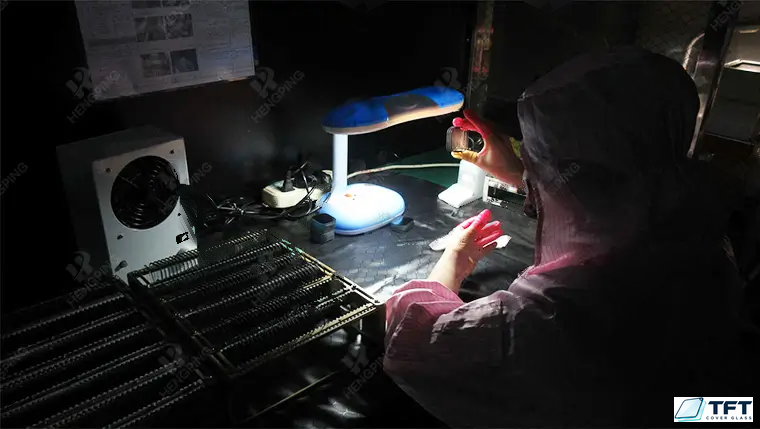
Screen Printed Glass Panel Inspection
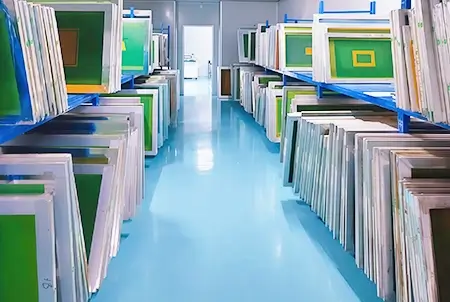
Screen Preparation Room
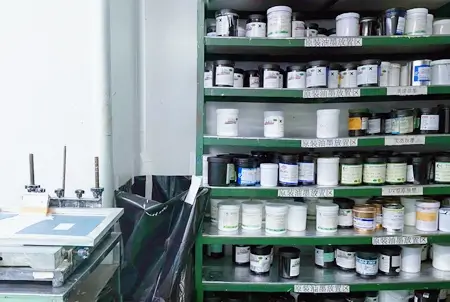
Inks Room
General Specifications for Our Silk Screen Printing
Equipment | Automatic 5-colors Silkscreen Printing Machine, Semi-automatic Screen Printing Machine | Inks | Epoxy Inks, Epoxy Inks, Metallic Ink, IR Ink, Ceramic Inks (High Temperature Ink), |
| Minimal Printing Range | 0.2MM (for line, circle, and more designs) | Printing Layers | Multi-layers Printing (Up to 10 layers) |
Colors | Multi-color Printing (Black, White, Red, Green, Orange, Grey, and more.) | Substrate Materials | Soda-Lime Glass, Aluminosilicate Glass, Corning Gorilla Glass, AGC Dragontrail Glass, Panda Glass, IK Rated Glass, etc. |
Achievable Effects | Dead Front Printing (All Black or All White), Gradient Printing, Multi-Color Sectional Printing, etc. | Durability | Scratch-Resistant Prints, UV Resistance, Heat Resistance, etc. |
| Remark: All the printing is based on the designs (like drawings, approved sample or physical reference sample, etc.), if there are any questions about the cover glass silkscreen printing details, just contact us! | |||
Challenge/Solution: Our Glass Printing Expertise in Action
Over years of experience, we’ve encountered and overcome a wide range of glass printing challenges across diverse applications. Explore how we’ve turned obstacles into opportunities and delivered exceptional results for our clients.
1. Ink Flaking or Peeling from Glass Surfaces
We implement a rigorous adhesion testing protocol, including a modified cross-hatch test tailored to different printing scenarios. Our standards include:
- Standard Inks (Logos, Characters, Large Areas): A cross-hatch test is performed separately on logos/characters and large area prints, requiring a minimum rating of 4B.
- Specialty Inks (e.g., Mirror Silver): Due to their unique properties, specialty metallic inks like mirror silver may achieve a 3B rating, which is still considered acceptable and is included in our testing standards.
- Industrial Equipment
- Medical Devices
- Outdoor Applications
2. Limited Ink Choices for Physical Tempered Glass Printing
Physical tempering’s high heat restricts ink options, impacting design and durability. Many inks simply can’t survive the process. So, we offer the printing solutions for physical tempered glass:
- Ceramic Inks + Physical Tempering: Best durability, scratch resistance. Limited to solid black or white.
- UV-Resistant Inks + Physical Tempering: For outdoor use, good UV resistance, survives tempering.
- General-Purpose Inks + Physical Tempering: Indoor use, typical durability.
- Appliance Control Panels
- Outdoor & Indoor Applications
3. Eliminating "Halo" Effect in Backlit Glass Panels
When backlit with LEDs, white-printed glass panels can exhibit a distracting “halo” effect around icons, causing blurriness and visual discomfort. We implemented a multi-layered printing and laser etching process to solve this problem, providing a clearer, more comfortable viewing experience.
- Print three layers of white ink across the entire panel.
- Apply a gray base coat.
- Laser etch the icon areas.
- Print a translucent ink on the back.
- Smart Home Devices
- Appliance Control Panels
- HMIs
4. Achieving Accurate White Color in Glass Printing
Glass’s green tint makes true white printing difficult, causing a bluish cast. Moreover, “white” isn’t just one color; it encompasses various shades like cool white, warm white, and apple white, requiring precise matching.
- Ultra-Clear Glass: For white printing, ultra clear class eliminates green tint.
- Precise Matching: Custom inks for any white shade.
- Experienced Technicians: Skilled staff to meet client needs with the difficult color.
- Quality Checks: Test prints & reviews ensure accuracy.
- Home Appliances
- Consumer Electronics
- Medical Equipment
5. Achieving a Seamless Dead Front Printing Effect
Achieving a visually seamless black display requires precise color and light control. Mismatched inks or poor transmittance cause noticeable defects. We ensure flawless dead front printing (all black) through:
- Precise Ink Match: Matching semi-transparent black to bezel color.
- Controlled Transmittance (1~50%): Most 15%±5% or 20%±5%.
- Methods Available: We select the optimal methods based on the size: Printing (small, <30x30mm), Electroplating (tiny, <7″), Gray Glass (medium, <32″), Film (any size).
- Smart Home & Wearable
- Automotive Displays
- Medical
6. Mastering Complex Multi-Layer & Multi-Color Printing
Printing 6+ layers or multiple colors requires extreme precision. Key challenges involve layer registration, color consistency, positional accuracy, and ink durability against wear and environment.
- Precision Alignment: Accurate registration for multi-layer prints.
- Strict Color Matching: Consistent color across all batches.
- High-Accuracy Process: Tight tolerances achieved for higher yields.
- Robust Ink Performance: Tested inks ensure strong adhesion & weather/UV resistance.
- Electronic
- Industrial & Medical
- Smart Home
- New Energy
Our Silk Screen Printing Process
At TFT Cover Glass, our silkscreen printing process is more than just a method; it’s a core competency where precision meets durability. We expertly apply highly accurate and resilient patterns – from critical optical Black Masks (BM) to detailed logos and functional icons – onto cover glass surfaces. Utilizing advanced equipment and premium, application-specific inks, our meticulously controlled workflow through several key stages ensures consistent, high-quality printing results that meet the most demanding specifications. Here is the main process of our cover glass silkscreen printing:
Preparation → Printing → Baking/Curing → Quality Control (OQC)
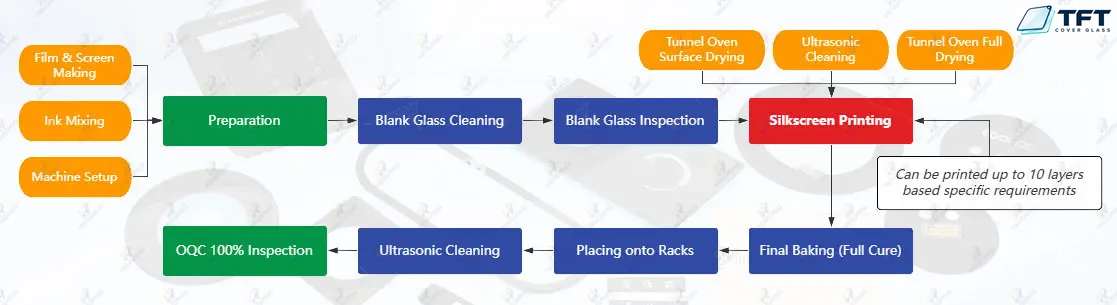
- Preparation: This foundational stage involves readying all critical elements: crafting the precise screen stencil, preparing and verifying the specialized ink, and meticulously setting up and calibrating the printing machinery to ensure optimal conditions for the upcoming print run and its first-article validation.
- Printing: Specialized ink is precisely transferred through the patterned screen (stencil) onto the glass surface using a squeegee, accurately forming the desired design.
- Baking / Curing: The printed glass undergoes a controlled thermal process (baking) or UV exposure (curing) to permanently harden the ink and ensure strong adhesion to the glass.
- Quality Control (QC) & Finishing: Each panel is rigorously inspected for print accuracy, visual defects, and ink adhesion to ensure it meets strict specifications before proceeding.
Silk Screen Printing Technology
Silk screen printing is still a widely used and efficient printing technique for cover glass manufacturing, primarily due to its inherent versatility in application and the outstanding durability it imparts to the finished product. These core strengths make it exceptionally well-suited to meet the rigorous functional and aesthetic requirements specific to cover glass panels used across diverse industries.
Silk Screen Printing Working Principle
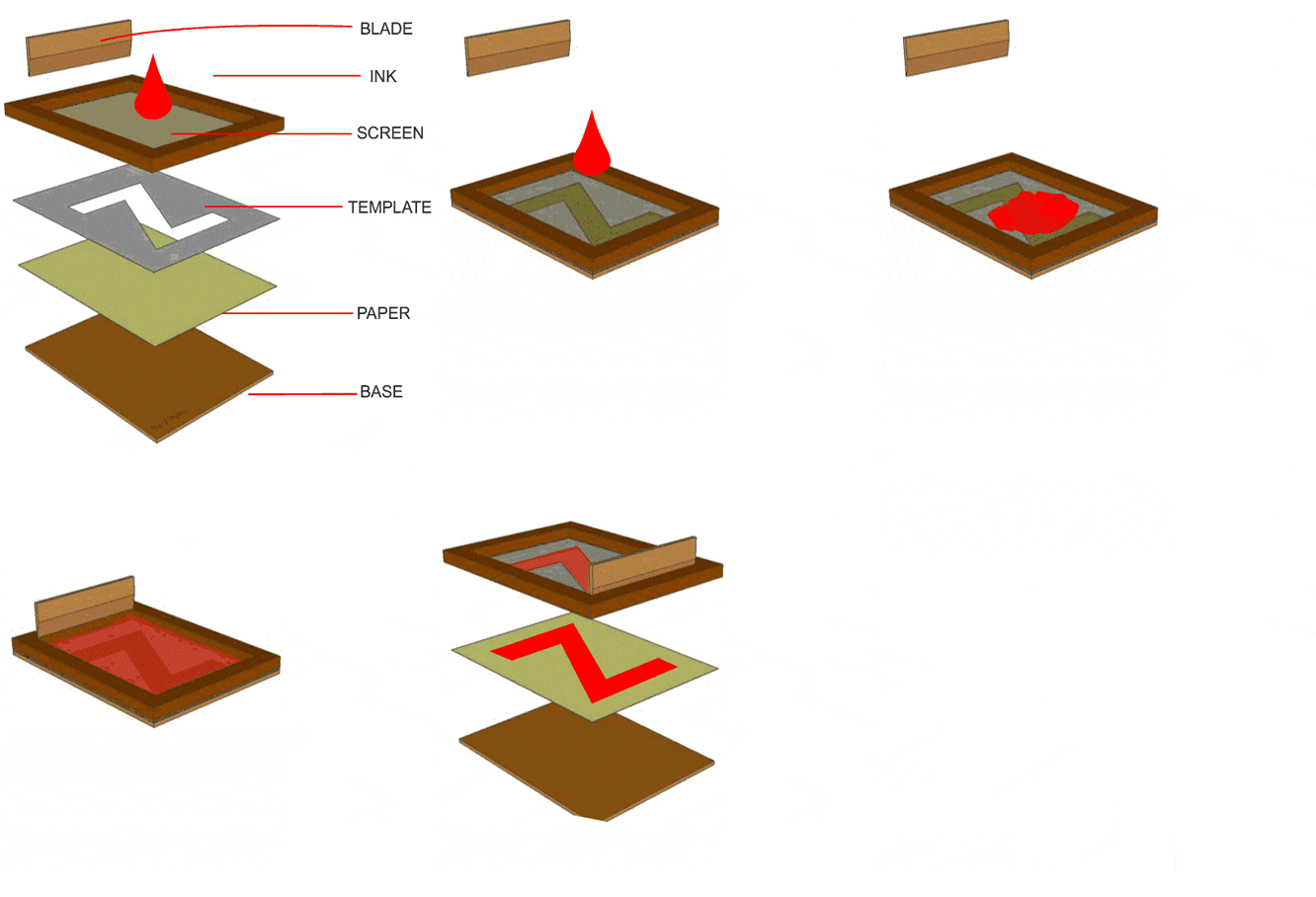
Silk screen printing is a stencil-based printing method where ink is transferred through a mesh screen onto a substrate. The key components include:
- A blade is used to distribute ink across the screen.
- Ink is forced to transfer via the squeegee onto the substrate.
- A mesh screen to hold the shape.
- A Template is used to cover areas that you don’t want to transfer.
During the process, a screen is placed over the template with the substrate underneath, a blade forces ink across the screen, and the shape is printed onto the substrate. Silkscreen printing creates a durable and highly customizable way to produce the printing on the glass!
Benefits of Silk Screen Printing on Glass
- Excellent Durability and Adhesion: Silkscreen printing enables specialized inks engineered for strong bonding onto the glass surface. Through appropriate curing or baking processes tailored to the ink type (ceramic, organic, UV, etc.), the resulting prints are highly durable, resisting abrasion, chemicals, and environmental factors for long-term performance.
- Compatibility with Touch Technology: Standard silkscreen inks (especially when applied to the non-contact surface or outside the active touch area) are typically non-conductive and do not interfere with the functionality of capacitive touch sensors integrated beneath the cover glass.
- Cost-Effective for Mass Production:Once the initial screen setup is complete, the silkscreen printing process is relatively fast and efficient, making it highly cost-effective for medium to high-volume production runs compared to some other deposition or patterning methods.
- Excellent Opacity and Light Blocking: Silkscreen printing allows for a relatively thick and uniform ink deposit, which is crucial for creating opaque Black Masks (BM). This effectively hides underlying components (bezels, circuitry, adhesives) and prevents light leakage from the display edges, improving contrast and visual aesthetics.
- Good Pattern Definition and Precision: For the typical requirements of cover glass borders, logos, and icons, silkscreen printing provides sufficient resolution and registration accuracy, ensuring clean lines and precise placement relative to the glass edges or display area.
- Versatility in Ink Types and Colors: While ceramic inks are common for durability, silkscreen printing can also utilize a wide range of organic or UV-curable inks. This allows for vibrant colors, specific Pantone matching, and the printing of logos, icons, button labels, or other decorative/functional elements.
Why Choose Us As Your Silkscreen Printed Glass Supplier
TFT Cover Glass’s exceptional silk screen printed glass solutions are a result of our expertise, precision, and commitment to quality, all powered by advanced equipment and experienced technicians.
Advanced Auto & Semi-Auto Printing
Our facility combines precision automated lines, ideal for high-volume consistency, with flexible semi-automated systems excelling at intricate designs and diverse batch sizes. This strategic mix guarantees the right process for your specific requirements, balancing exceptional quality with efficiency.
Stringent Quality Control Systems
Quality isn't inspected at the end; it's built-in. We implement rigorous QC checkpoints throughout the process, from incoming glass inspection to final OQC, utilizing advanced metrology and visual inspection tools to guarantee every piece strictly adheres to your specifications and our high standards.
Optimized Inks & Materials Management
We maintain strict control over our ink inventory (batch tracking, viscosity testing) and screen preparation processes. This meticulous management ensures consistent color matching, superior ink adhesion, and long-term print durability, validated through processes aligned with industry best practices.
Skilled & Experienced Technical Team
Our team comprises seasoned engineers and technicians with deep expertise specifically in glass printing. Their mastery allows us to expertly handle complex multi-layer prints, optimize parameters for challenging designs, and troubleshoot effectively, ensuring to meet your specific requirements.
Controlled Cleanroom Environments
Critical printing and handling steps are performed within environmentally controlled cleanrooms. This minimizes the risk of contamination from dust and particles, resulting in cleaner prints with fewer surface defects like pinholes or inclusions – crucial for displays and touch interfaces.
In-House Reliability Testing Capabilities
Beyond standard inspection, we possess in-house capabilities for critical performance testing, such as cross-hatch adhesion tests and environmental stress simulations. This allows us to proactively validate the durability and reliability, providing you with tangible assurance of product longevity.
FAQ
How do you ensure the printed color remains consistent between approved samples and mass production runs?
We ensure color consistency through strictly controlled ink formulations, stable printing and curing parameters, and rigorous comparison to your approved sample using calibrated color measurement tools during our quality control process.
For semi-transparent prints (e.g., "halftone" or translucent areas), is 100% transmittance testing performed on every part?
Yes. To ensure glass panel performance and mitigate risk, we follow your drawing requirements precisely. Our procedures include conducting 100% transmittance inspection on the specified areas needing this check, guaranteeing every panel adheres to those critical optical specifications.
How do you guarantee a pure white print, avoiding the common greenish tint, to meet our precise color specifications?
The common greenish tint arises from standard float glass. To guarantee a pure white meeting your specifications, we strongly recommend and utilize ultra-clear (low-iron) glass. This specialized glass minimizes the substrate’s color influence, allowing the true, neutral color of our white ink to show accurately, ensuring a crisp finish consistent with your requirements.
What types of ink do you use for cover glass printing, and how do I know which is best for my application?
We utilize a range of specialized inks including Ceramic, UV, Metallic, Epoxy, and IR-curable types. Key choices include:
- Ceramic Ink: Offers maximum durability (high-temp baked), ideal for outdoor applications, but limited on colors and glass sizes.
- UV Ink: Provides vibrant colors and design versatility, cured efficiently with UV light, suitable for outdoor applications.
- Metallic Ink: Used for specific silver/gold aesthetic effects, ideal for touch pad glass, glass mouse pads, etc.
The optimal ink (considering Epoxy and IR options too) is selected based on your application’s specific durability requirements, desired appearance, functionality, and cost during our consultation process.
How durable is the silkscreen print against scratches, chemicals, and environmental exposure over time?
Our silkscreen printed glass panels are engineered for excellent durability. High-temperature ceramic inks offer exceptional resistance, becoming virtually part of the glass. Our carefully selected organic and UV inks, when properly cured, also provide robust resistance to everyday scratches, common cleaning chemicals, and typical environmental conditions (UV exposure, humidity). We perform rigorous adhesion and reliability testing (like cross-hatch tests) to validate long-term performance.
What are your acceptance standards for the ink adhesion cross-hatch test?
- Class 4B Standard (Primary Colors: Black, White, Grey, etc.):
- Method: A cross-hatch cutter is used.
- Acceptance: Small flakes of ink detached at the edges and intersections of the cuts, with the total affected area being less than 5%, is acceptable.
- Class 3B Standard (Multi-Layer / Overprinted Colors):
- Method: A cross-hatch cutter is used.
- Acceptance: Ink detachment (flaking) along edges and at intersections, with the total affected area between 5% and 15%, is acceptable.
- Special Inks (Silver Powder, Mirror Silver, Metallic, Semi-Transparent Black/White, IR Ink):
- Method: No cross-hatch cutter is used. Adhesion is tested using tape application only.
- Acceptance: Zero ink removal (no ink lifts off with the tape) is required for acceptance.
Why we sometimes need a piece of physical reference sample, even for simple designs?
As we know, achieving accurate color on glass is surprisingly complex! Even with a basic black border, variations in our inks, equipment, and printing methods can create noticeable differences. Reds, greens, whites – these colors are even more challenging. While Pantone codes are a great starting point, the final printed result on glass can look very different from a paper swatch. Therefore, for complex designs (multi-color, gradients), a physical sample is essential. It’s the best way we can ensure we meet your expectations.
Inspecting the printed mask
Provide the artwork revision, colour reference and dimensions of the clear viewing window. The printed sample can then be checked for alignment and coverage.
See inspection methodsCustom Glass Fabrication Expert
TFT Cover Glass, a custom glass fabrication expert, delivers precision-machined glass products with unmatched quality and competitive pricing. Utilizing custom-designed CNC machinery and a vast inventory of materials, we expertly handle projects from prototypes to large-scale production, supporting customers from prototyping through production.
- UV Printing
- Surface Coating
- Adhesive Bonding
- Ultra Cleaning
- Testing and Inspection
- Packaging
- AGC Dragontrail™ Glass
- NSG Glass
- AG Glass
- Panda Glass
- Sada Lime Glass
- Borosillicate Glass
- SCHOTT Glass
- Ultra-clear Glass (Low-iron Glass)
- 3D Curved (Hot Bending) Glass
- Electronics
- Smart Home
- Automotive
- Industrial
- Home Appliances
- New Energy
- Medical
- Wearable Devices
- Lighting
- Commercial
- Outdoor
- Optical
Request A Free Quote
We treat your inquiry and drawings as confidential.
Contact
We’d love to hear about your project. Reach out for questions, technical support, quotes, or free samples. Upload your drawings if available for more accurate recommendations. Our engineers will give you a reply within 24 hours and provide professional recommendations tailored to your exact requirements.
- +86 131 1396 8188
- +86 131 1396 8188
- kevin.zhichuansz@gmail.com
- Lifeng Industrial Park, Longgang District, Shenzhen 518115, Guangdong, China
 EN
 FR
 DE
 ES
 PT
 IT
 NL
 DA
 RU
 AR
 TR
 JA
 KO
 ID
 UK
 TH
 VI
 PL
 MS
 ET
 EL