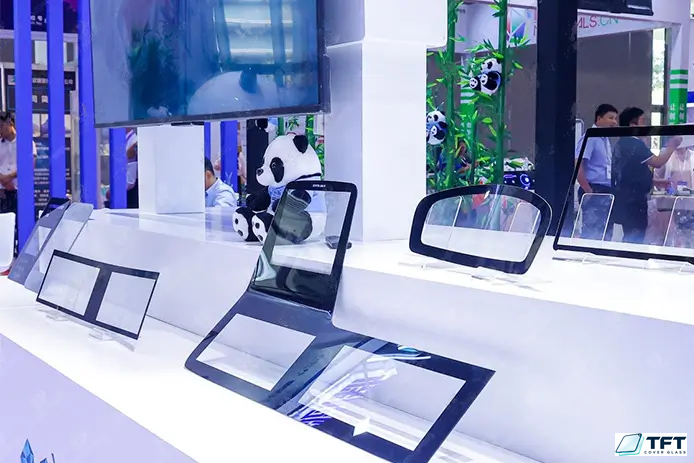
This article focuses on Panda Glass, a high-strength cover glass material, and explains what it is and why it’s used to make protective cover glass for a wide range of electronic displays and screens.
Introduction
In today’s rapidly evolving technological landscape, we are witnessing how countless innovative products are subtly reshaping our lives. From smartphones to smart homes, from wearable devices to new energy vehicles, every technological breakthrough is inextricably linked to the innovation of fundamental materials. And in this fertile ground of innovation, Panda Glass, with its excellent performance, has long been a key material in the technology sector. This article explores what makes Panda Glass unique and why it’s a preferred choice for protective cover glass in a wide range of modern electronic device needs across industries.
What is Panda Glass?
Panda Glass, also known as Panda King Glass in some contexts, is an alkali-aluminosilicate glass developed by China’s Dongxu Group (formerly Tunghsu Group). It is designed for a cover glass of various electronic displays, particularly smartphones and tablets.
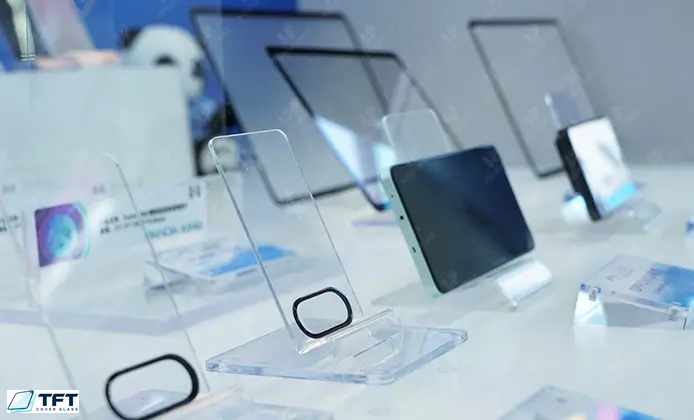
Driven by its exceptional quality and performance, Panda Glass has risen to become a global leader in the highly competitive cover glass industry. Holding the second-largest market share worldwide and dominating the Chinese market, Panda Glass, particularly its “King Panda” series, powers one in four smartphones globally. This success is driven by the confidence of major manufacturers like Huawei, Xiaomi, Vivo, OPPO, Lenovo and more.
The Rise of Panda Glass: A History of Innovation
As touch screen devices surged in popularity, a demand arose for robust and affordable cover glass, prompting Dongxu Group, a well-established Chinese company specializing in optoelectronic display materials, to strategically enter the arena. Their goal is to provide a cost-effective, high-performance alternative to established brands like Corning. This required a significant commitment to research and development, focusing on creating glass capable of withstanding scratches, impacts, and drops, all while maintaining exceptional clarity. This journey included collaborations with Chinese smartphone manufacturers and a growing base of partnerships. With a commitment to ongoing innovation, Panda Glass provides a comprehensive range of cover glass solutions: the durable Panda 1681, high-strength Panda MN228, cutting-edge flexible Panda F.Loong, and ultra-stable Panda King, all designed to meet the evolving needs of electronic displays globally.
Engineering Strength: Composition and Ion Exchange
Panda Glass’s strength begins with its composition: an alkali-aluminosilicate glass. This structure creates a tough base for protection, but the innovation doesn’t stop there. In a carefully guarded process, the glass undergoes ion exchange to maximize its strength. Immersed in a molten salt bath containing potassium ions, smaller sodium ions on the surface are replaced with the potassium which have a larger molecule, resulting in compression. That compression creates a layer of protective armor, making the surface harder to scratch and crack. Like any advanced glass materials, production is completed with precise cutting, edge grinding, and polishing along with robust quality control to achieve the best product for demanding uses.
How Panda Glass is Made?
Panda Glass manufacturing is a highly controlled process, blending scientific precision with advanced engineering. From selecting and preparing raw materials to the final inspection, each step is carefully optimized to ensure exceptional quality and performance.
Phase 1: Raw Material Formulation and Preparation
- Raw Material Formulation: The process begins with the precise formulation of the glass composition. This involves selecting high-purity raw materials, including silica sand, alumina, and other carefully chosen metal oxides. Dongxu utilizes dry-method laser particle size analysis to ensure precise quality control of raw materials. It emphasizes using advanced technology in quality management of input raw materials.
- Raw Material Input: The formulated raw materials are then fed into the melting furnace.
Phase 2: Glass Melting and Refining
- Glass Melting: The raw materials are melted at extremely high temperatures in specialized furnaces. Dongxu employs “dual hotspot high-efficiency melting technology and pulsed steam shallow layer bubbling technology” to achieve efficient and uniform melting. This implies advanced temperature control and mixing techniques.
- Float Forming: The molten glass is then formed into a continuous ribbon using the float process. Dongxu has distinct advantage on forming technology.
Phase 3: Glass Thinning and Tin Contamination Prevention
- Annealing: The glass ribbon undergoes a carefully controlled annealing process to relieve internal stresses and prevent cracking. Dongxu adopts extending annealing zone in the annealing process to solved the cutting difficulties of speed.
- Inspection and Optimization: The glass ribbon is then subjected to a series of inspections to ensure it meets quality standards. This includes measuring thickness and detecting any defects (thickness detection, stress detection, and flaws detection).
Phase 4: Glass Cutting and Edge Control
- Cutting and Separation: The glass ribbon is precisely cut into individual sheets of the desired size.
- Sorting: Sheets are sorted based on quality and size.
- Paper Interleaving: Paper sheets are interleaved between the glass sheets to protect them from scratching during handling and transportation.
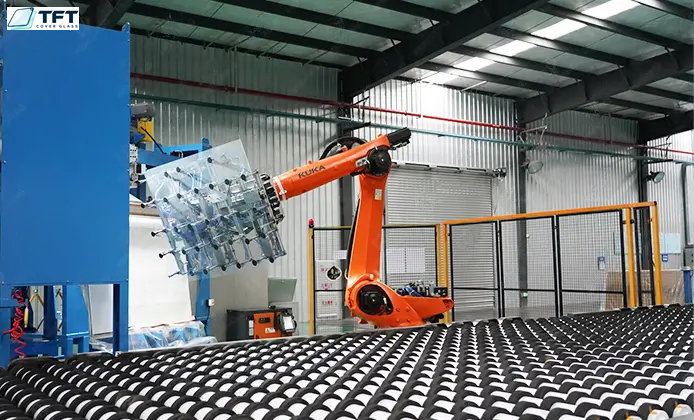
- Automatic Picking and Stacking: The glass sheets are automatically picked and stacked.
- Offline Sampling Inspection: Random samples are taken for further inspection.
- Qualified Products Warehousing: After passing all inspections, the qualified Panda Glass is warehoused.
The manufacturing of Panda Glass is a complex and tightly controlled process, leveraging both established glass production techniques and innovative, proprietary technologies. From the careful selection and preparation of raw materials to the final inspection and packaging, every step is optimized to create a high-performance cover glass that meets the demanding needs of modern electronic devices.
Why Choose Panda Glass?
When it comes to cover glass, performance is paramount. Why choose Panda Glass? Because it’s engineered to excel in the areas that directly impact your device’s durability, usability, and visual experience.
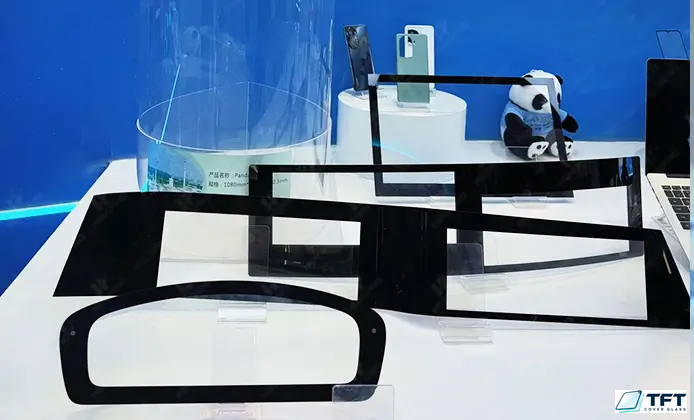
- Scratch Resistance: Panda Glass offers exceptional scratch resistance, protecting your screen from everyday hazards. While specific Mohs hardness ratings vary, it’s designed to withstand keys, coins, and even some abrasive materials. The ion exchange process creates a compressive stress layer that significantly reduces the likelihood of scratches, ensuring long-lasting clarity. Continuous advancements in materials science are being incorporated to further enhance this property.
- Impact Resistance: Panda Glass provides reliable impact resistance, safeguarding your device against accidental drops. The carefully engineered composition and strengthening process absorb and dissipate energy, reducing the risk of shattering. It’s engineered to meet or exceed industry standards for drop tests, offering valuable protection from typical pocket or table heights. Ongoing research focuses on further improving impact resistance through new glass compositions and strengthening techniques.
- Optical Clarity: Panda Glass delivers exceptional optical clarity, ensuring vibrant colors, sharp images, and unaffected touch sensitivity. Its high light transmittance and careful manufacturing process minimize impurities and maximize transparency, providing an optimal viewing experience.
- Chemical Durability: Panda Glass offers excellent chemical durability, resisting damage from cleaning solutions and environmental contaminants. This ensures your screen remains clear and functional, even after repeated cleaning and exposure to various substances, maintaining its pristine appearance.
- Oleophobic Coating: Panda Glass is treated with a high-quality oleophobic coating, repelling oils and fingerprints for a cleaner, more enjoyable user experience. This nano-scale coating reduces smudges and makes the screen easier to clean, enhancing both aesthetics and usability. Panda Glass incorporates the latest advancements in oleophobic coating technology, focusing on improved durability and longevity.
Where Panda Glass Shines?
Panda Glass’s combination of strength, clarity, and affordability has made it a popular choice for a wide range of applications.
- Smartphones and Tablets: This is a primary market for Panda Glass, particularly in the mid-range and budget segments. Its cost-effectiveness allows manufacturers to offer durable devices at competitive price points.
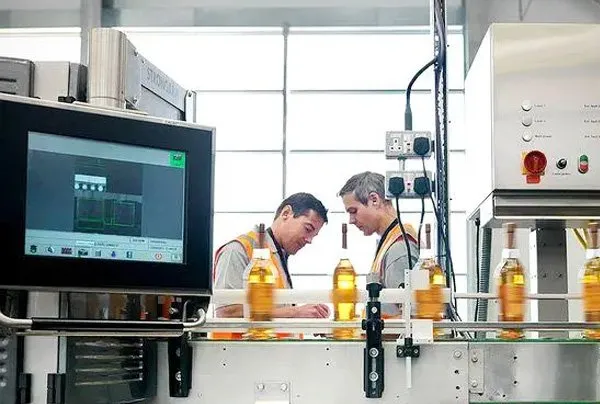
- Industrial Equipment: The harsh environments of factories and industrial settings demand robust cover glass. Panda Glass’s durability and scratch resistance make it well-suited for protecting touchscreens and displays on industrial control panels, machinery interfaces, and other equipment.
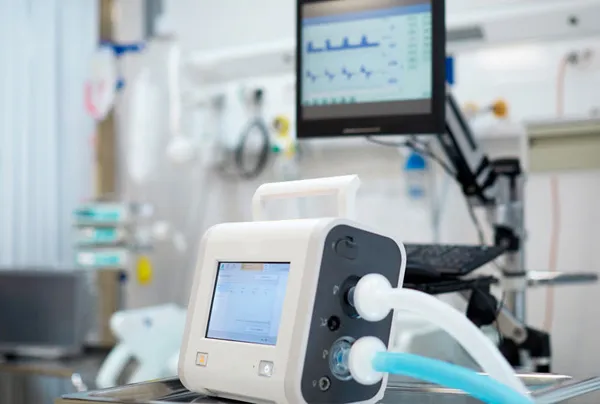
- Medical Devices: The medical field requires displays that are not only clear and accurate but also resistant to chemicals and easy to clean. Panda Glass’s properties make it an excellent choice for medical monitors, diagnostic equipment, and other healthcare devices.
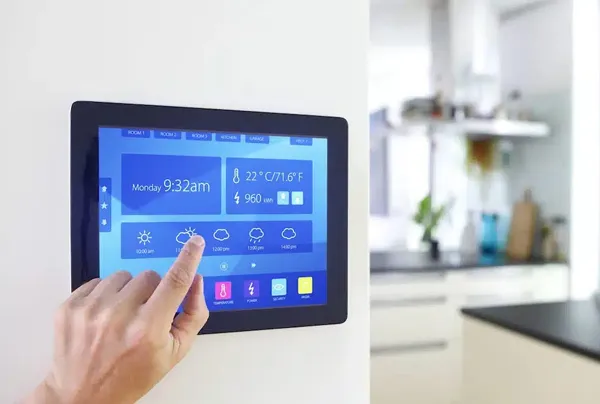
- Smart Home Devices: From smart thermostats and refrigerators to security systems and lighting controls, smart home devices increasingly rely on touchscreens. Panda Glass provides the durability and clarity needed for these applications.
- Automotive Displays: The automotive industry is rapidly adopting larger and more sophisticated displays for infotainment systems, instrument clusters, and even head-up displays. Panda Glass’s strength and optical properties are making it a contender in this growing market.
- Interactive Kiosks: Public-facing interactive kiosks, used for information, ticketing, and wayfinding, require exceptionally durable cover glass. Panda Glass’s scratch and impact resistance are crucial in these high-traffic environments.
- Instruments and Signage: Precision instruments and digital signage benefit from Panda Glass’s protection, clarity.
The key advantage of Panda Glass, particularly for device manufacturers, is its cost-effectiveness. While offering performance comparable to established brands, Panda Glass is often available at a more competitive price. This allows manufacturers to reduce their bill of materials, ultimately leading to more affordable devices for consumers.
The Future of Panda Glass: Expanding Horizons and Enduring Excellence
As technology relentlessly advances, the application of “King Panda” glass is rapidly expanding beyond smartphones and tablets. We’re seeing its integration into wearable devices like smartwatches and smart glasses, as well as in displays for new energy vehicles, showcasing its adaptability to evolving device form factors. With the proliferation of 5G, the Internet of Things (IoT), and other emerging technologies, ultra-thin glass, like “King Panda”, will play an increasingly vital role as a foundational material.
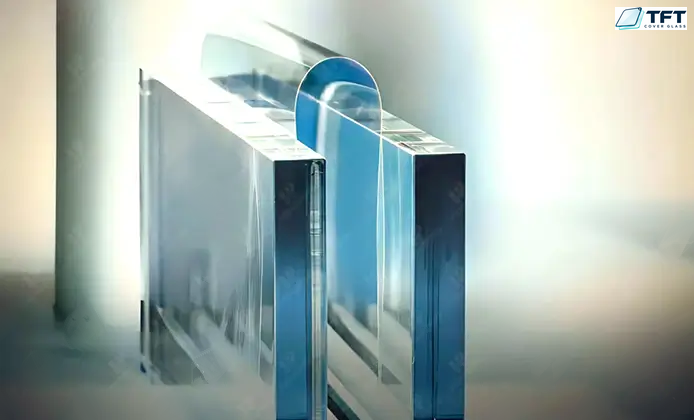
Looking ahead, “King Panda” glass is poised to continue leading the trend towards lighter, thinner, and more durable tech products, promising greater convenience and innovation in our daily lives. This forward momentum is fueled by the relentless power of technological advancement. In essence, “King Panda” glass, with its exceptional performance and quality, has become a shining star in the technological landscape. It represents not only technological innovation but also an indispensable part of our lives. In the years to come, let us anticipate even more wonders and beauty illuminated by the light of technology. This includes more applications, performance of the glass, and innovative technology.
Conclusion
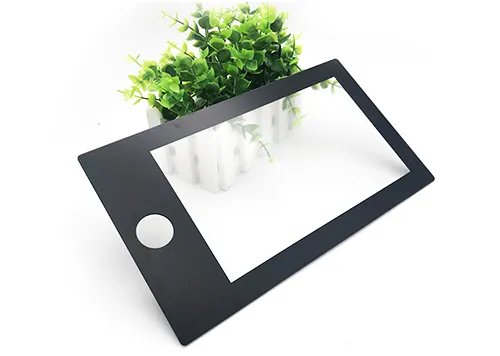
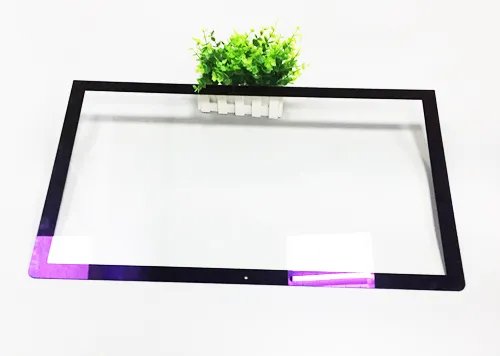
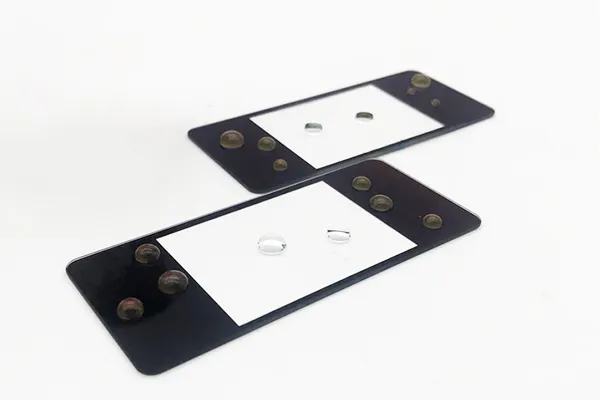
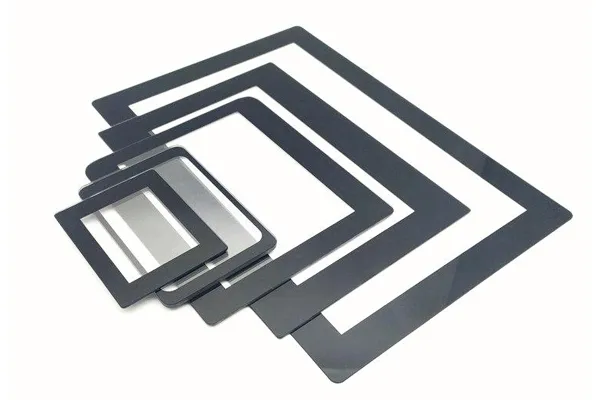
Panda Glass represents a significant advancement in cover glass technology. Its impressive combination of strength, affordability, and continuous innovation is poised to make a significant impact on the world of display technology, ensuring that our increasingly connected lives are protected by a material as resilient as it is remarkable. Building on this foundation, TFT Cover Glass offers customized cover glass panels with Panda Glass for various display and touchscreen needs across diverse industries.



 EN
 FR
 DE
 ES
 PT
 IT
 NL
 DA
 RU
 AR
 TR
 JA
 KO
 ID
 UK
 TH
 VI
 PL
 MS
 ET
 EL