
TFT Cover Glass has been specializing in glass deep processing for more than 15 years, and our main products includes optical tempered glass, display cover glass, industrial control machine window glass plate, smart home appliance glass panel, camera lens glass, intelligent electronic product glass, AG glass, AF glass, AR glass, coated glass and so on. We have advanced glass processing equipment and testing instruments, including automatic laser cutting machine, auto CNC machines, optical glass grinding machine, ultrasonic cleaning machine, glass wiping machine, plasma machine, physical tempering furnace and automatic silk screen printing machine, secondary element, drop tester, glass surface hardness scratch tester, airtightness tester, salt spray tester and so on. If you are interested in buying high quality glass for your business, welcome to visit our factory anytime! 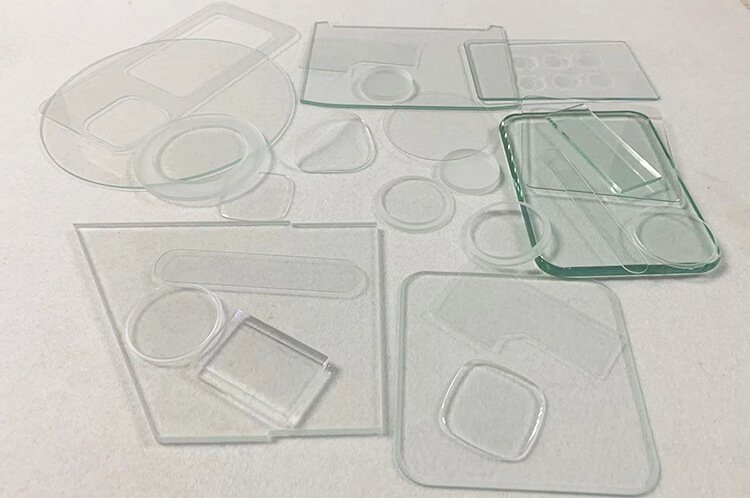
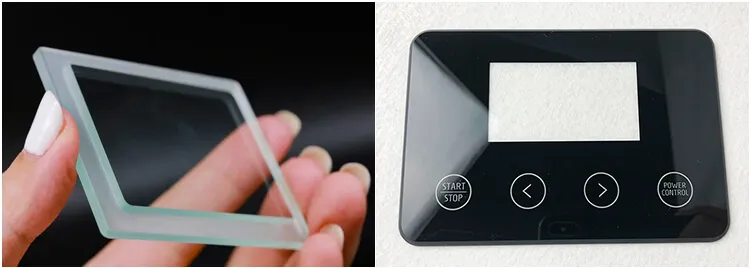 The finish surface of seamed edge glass can be gloss or matte appearance. The polishing can be chosen according to the specific designs.
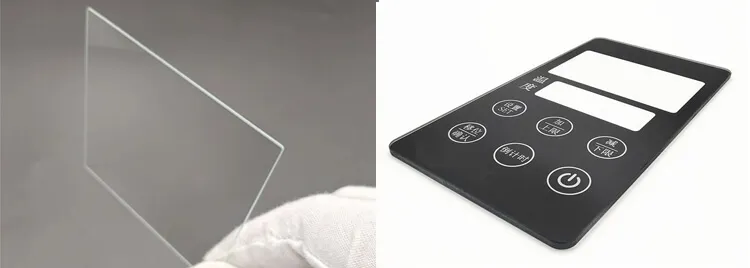 Flat Edge can be polished to improve smoothness, and the surface finish may range from matte to glossy, depending on the level of polishing applied.
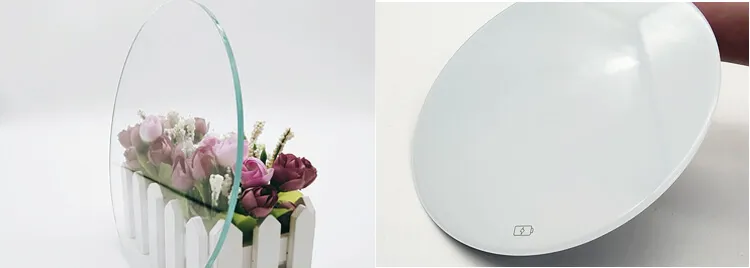 Pencil edge can be polished for a smooth finish, and additional options include frosted, stained, matte, or glossy finishes. The surface finish is chosen based on the desired appearance for furniture glass applications.
 Beveled edge glass is often polished to achieve a glossy finish, emphasizing its decorative purpose. The surface may have a high-gloss appearance suitable for mirrors and decorative glass.
 2.5 D edge is usually polished to ensure smooth edges to maintain a sleek and modern appearance. And some coating techniques, such as anti-fingerprint coatings, may be applied to improve the screen’s abrasion resistance and cleanliness.
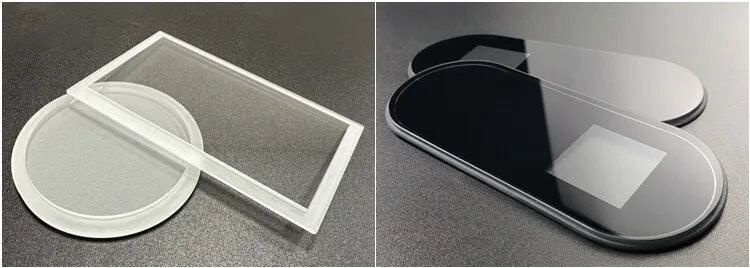
Six Common Glass Edge Types for Display Cover Glass
Glass edge grinding is a very important process in glass processing. Edge grinding can make the glass become shapely and bright. Below we mainly introduce 6 common edges used for display cover glass. If you have any questions, we provide free technical consultation, welcome to contact us.Seamed Edge
Seamed edge is smooth edges of glass by grinding the edge to improve safety. Seamed edge is mainly used to ensure edge safety rather than emphasizing its decorative effect. Therefore, seamed edge is often chosen for applications where aesthetics is not emphasized but safety is more important, such as on industrial control machine screens or touchscreens embedded in systems.
The finish surface of seamed edge glass can be gloss or matte appearance. The polishing can be chosen according to the specific designs.
Flat Edge
Flat edge means that the glass edge is ground to a straight and level shape. Flat edge is designed to simplify the edges of the glass, making them flatter and removing any sharpness or irregularities that may be present. Cover glass with flat edge is suitable for applications that require less aesthetics and more functionality, such as industrial equipment, surveillance screens, etc. Due to the simplify and affordable look, many cover glass panel is designed with flat edge.
Flat Edge can be polished to improve smoothness, and the surface finish may range from matte to glossy, depending on the level of polishing applied.
Pencil Edge
Pencil edge is completed by the use of an edging tool embedded with emery to give the edge of the glass a slightly rounded shape like that of a pencil. This type of sharpening usually produces a slightly rounded edge rather than a flat straight line. Pencil edging gets its name from the rounded shape it gives to the edge of the glass, like the shape of a pencil. Pencil edge can be a good choice for applications where it is necessary to provide some decoration while keeping the edge secure, such as retail store touchscreens. It is more widely used in furniture. Pencil edge can be polished for a smooth finish, and additional options include frosted, stained, matte, or glossy finishes. The surface finish is chosen based on the desired appearance for furniture glass applications.
Beveled Edge
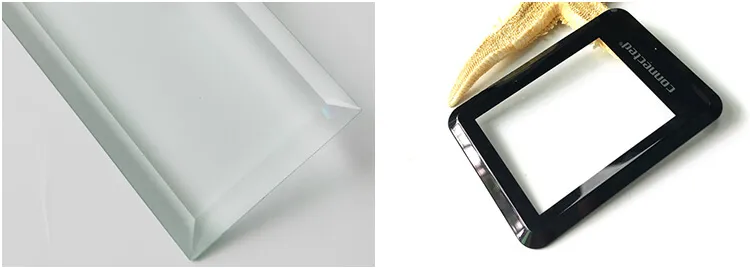
Beveled edge creates a beveled look by cutting diagonally across the edge of the glass, creating a beveled angle. Beveling creates an angle at the edge, usually a V-shaped cut, so that the edge is no longer flat and straight vertically or horizontally, but instead creates a beveled corner. Beveled edge glass can be chosen for applications where a high level of appearance is required, such as high-end electronics, mirrors, commercial display screens and more.
Beveled edge glass is often polished to achieve a glossy finish, emphasizing its decorative purpose. The surface may have a high-gloss appearance suitable for mirrors and decorative glass.
2.5 D Edge
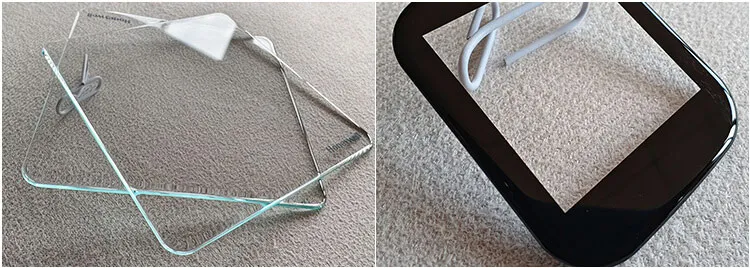
2.5 D edge is characterized by adding a certain amount of curvature to the flat edges. Rather than remaining completely flat, 2.5 D glass creates a slight curve around the edges, making the edges not purely straight, but rather showing some curved features. This design improves the look and feel of the screen’s edges while maintaining enough design simplicity. By adding curves to the edges, it not only enhances the overall modern look, but also improves the user’s tactile experience of the screen. Therefore, 2.5 D edge is often used in the screen glass of electronic devices, such as smartphones, tablets, and more.
2.5 D edge is usually polished to ensure smooth edges to maintain a sleek and modern appearance. And some coating techniques, such as anti-fingerprint coatings, may be applied to improve the screen’s abrasion resistance and cleanliness.
Step Edge
Step Edgework involves cutting the edge of the glass into multiple layers to create a step-like effect. This type of edge grinding cuts different layers into the edge of the glass, which are then polished to smooth the transition between these steps, creating a unique layered look. The choice of step edge usually depends on the design requirements of the product, which require a balance between decorative and functionality. Step edge is suitable for applications that require a special design and unique look, such as lighting industry. How to Select the Edgework for Display Glass Cover Panel?
In general, the choice of display glass edge grinding process usually takes the following points into consideration:- Product Design: Display glass applied in different industries may have different requirements for the edge grinding process. Some may require delicate chamfered edges, some may be more suited to straight edge grinding or other types of finishing.
- Safety: If the finished product will be touched frequently or used in a home environment, safety is a key consideration. Rounded or stepped edges can often reduce sharp edges and improve safety.
- Appearance and Aesthetics: The edge grinding process directly affects the appearance and aesthetics of the display glass product. Depending on the positioning of the product and market demand, choosing the right edge grinding process can improve the attractiveness of the product.
- Functional Requirements: Some products may require specific features, such as smoothness to the touch and ease of cleaning. Polished edges often provide a smoother surface, while beveled edges may be more suitable for products that require additional texture.
- Cost and Production Process: Different edgebanding processes may require different production processes and equipment, which can affect production costs. Cost effectiveness and production feasibility need to be considered when selecting an edgebanding process.



 EN
 FR
 DE
 ES
 PT
 IT
 NL
 DA
 RU
 AR
 TR
 JA
 KO
 ID
 UK
 TH
 VI
 PL
 MS
 ET
 EL