Introduction
Cover glass plays a monumental role in today’s world, from the smartphone in our pocket to the infotainment system in cars. The quality of this transparent protective glass dictates not only the clarity of the view but also the device’s resilience against the rigors of daily life. Among the leading names in this specialized field is Dragontrail™ glass by AGC Inc. This article explores the world of Dragontrail™, examining its composition, strengths, applications, and how it stacks up against its renowned competitors. The aim is to provide a comprehensive understanding for businesses and consumers alike, helping to discern if Dragontrail™ is indeed the optimal solution for cover glass needs.
What Exactly is Dragontrail™ Glass, and Who Stands Behind This Innovation?
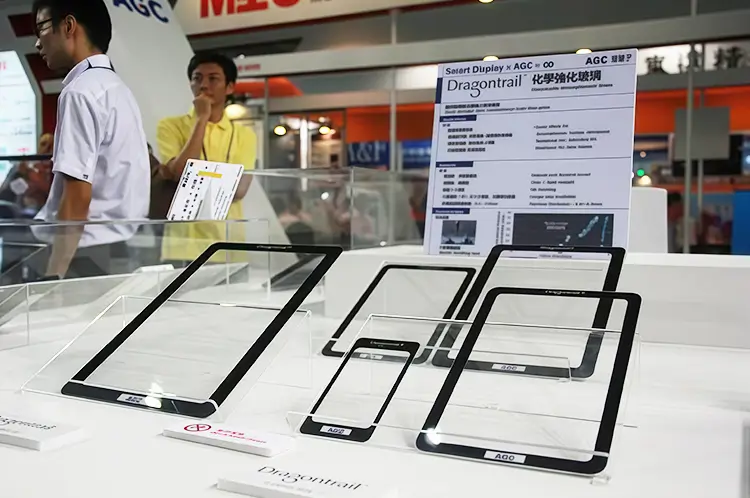
Dragontrail™ is the brand name for a line of high-strength, chemically strengthened glass developed by the Japanese AGC Group (formerly Asahi Glass Co., Ltd.). First commercially produced in January 2011, this specialty glass is engineered specifically to meet the demanding protective requirements of electronic device displays. It is manufactured using a float process, which forms the basis for its exceptional properties.
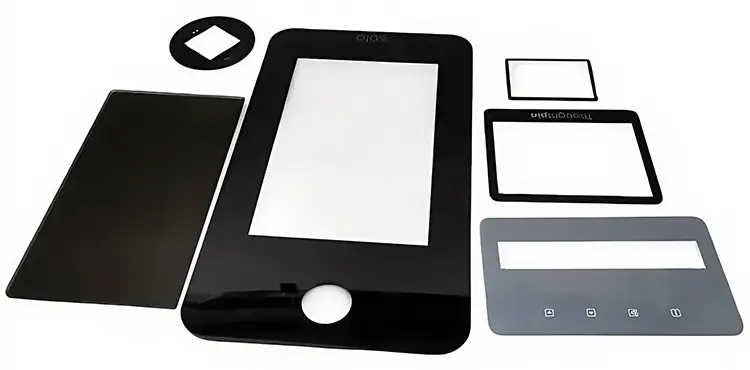
Manufactured using a float process and then chemically strengthened, AGC’s Dragontrail® offers exceptional protection for electronic displays, boasting up to six times the strength of ordinary soda-lime glass.
Dragontrail™’s reputation is built upon several key characteristics: high surface compressive stress, strong impact resistance, and excellent scratch resistance. These attributes make it a preferred choice for a wide array of applications, prominently including smartphones, tablet computers, smartwatches, and in-vehicle display systems.
As a primary competitor to Corning’s Gorilla® Glass, AGC has continuously advanced the Dragontrail™ series through ongoing technological upgrades. A notable example is Dragontrail™ Pro, which was introduced in 2016, specifically designed to offer improved edge strength. This enhancement caters to the increasing design trend of curved screens in modern devices, further solidifying Dragontrail’s position in the competitive cover glass market. While the float process ensures the creation of pristine glass sheets, it is the subsequent chemical strengthening (typically an ion-exchange process, as discussed earlier for such glasses) that imbues Dragontrail™ with its signature toughness and resilience. (Read more: Custom Curved Tempered Glass >>)
How Does Dragontrail™ Glass Achieve Its Renowned Strength and Durability?
The celebrated robustness of Dragontrail™ glass isn’t accidental; it’s the product of meticulous material science and precision engineering. Its strength and durability stem primarily from the aforementioned chemical strengthening process, but the specific properties achieved are what make it stand out in demanding applications.
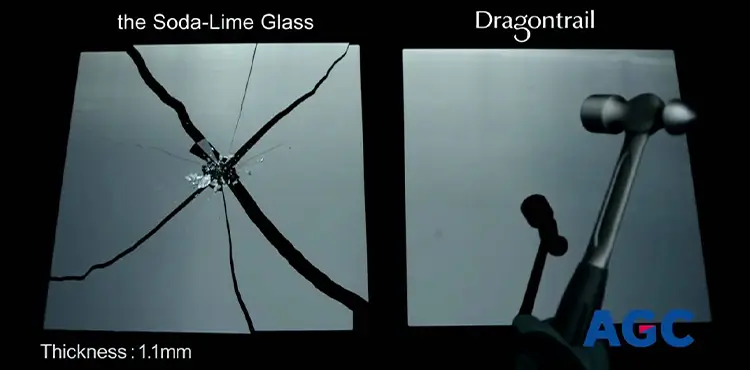
Dragontrail™ glass achieves its impressive mechanical properties, including high scratch resistance and impact tolerance, through a surface compressive stress layer that effectively arrests crack propagation and deflects abrasive forces.
Strength of Dragontrail™ Glass
The strength of Dragontrail™ can be quantified through several industry-standard metrics:
- Scratch Resistance
Measured often by tests like the Vickers hardness test, this assesses a material’s ability to resist indentation or scratching. The compressive layer on Dragontrail™ makes it difficult for sharp objects to create deep, damaging scratches that could later propagate into cracks. While no glass is entirely scratch-proof, Dragontrail™ offers a significant upgrade over standard glass, keeping displays looking newer for longer. AGC often highlights its resistance to scratches from everyday encounters, a key selling point for consumer electronics. - Impact and Bend Strength
This refers to the glass’s ability to withstand drops and flexing. The compressive stress on the surface must be overcome before a crack can initiate. If a crack does start (often from a flaw or a deep scratch), the compressive layer can also help to prevent it from spreading. This is why chemically strengthened glass can often survive impacts that would shatter ordinary glass. Dragontrail™ is designed to be thin yet incredibly tough, allowing for sleeker device designs without sacrificing resilience. Manufacturers often demonstrate this with ball-drop tests or bend tests, showcasing its ability to absorb significant energy. - Damage Resistance
Beyond initial impact, how does the glass fare if it does get scratched or chipped? Dragontrail™ is engineered to be more resistant to flaws becoming critical. The depth and severity of scratches are often less pronounced compared to non-strengthened glass, and the inherent toughness helps contain damage, reducing the likelihood of catastrophic failure from a minor imperfection.

Key Performance Indicators of Dragontrail™ Glass
| Property | Typical Performance Characteristic of Dragontrail® | Significance in Application |
| Surface Compression | High (e.g., >700 MPa) | Creates a strong barrier against crack initiation and propagation |
| Vickers Hardness | 6-7 GPa (typical for aluminosilicate glass) | Indicates excellent resistance to scratching |
| Flexural Strength | High | Allows for thinner glass and resistance to bending damage |
| Optical Clarity | Excellent light transmission (>90%) | Ensures vibrant and clear display quality |
| Chemical Durability | High resistance to common chemicals | Maintains integrity in various environments |
Is Dragontrail™ Glass a Worthy Contender Against Gorilla® Glass?
This is perhaps one of the most frequently asked questions in the cover glass industry. Corning’s Gorilla® Glass has long been a dominant force, synonymous with durable screens. So, where does AGC’s Dragontrail™ fit into this competitive landscape? Is it truly a comparable, or even superior, alternative?
Dragontrail™ glass is undeniably a strong and worthy competitor to Gorilla® Glass, offering comparable levels of protection in many aspects. The “better” choice often depends on specific application requirements, supply chain considerations, and manufacturer partnerships.
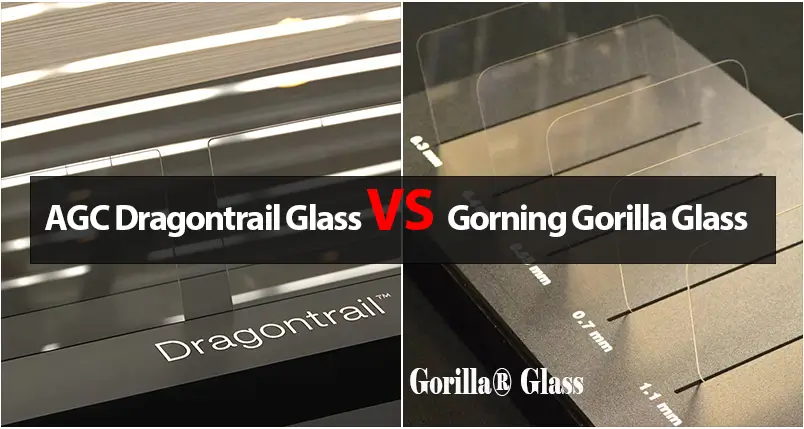
Both Dragontrail™ and Gorilla® Glass are alkali-aluminosilicate sheet glasses that undergo a chemical strengthening (ion-exchange) process. This means their fundamental approach to achieving strength is similar. However, nuances in their proprietary chemical compositions and manufacturing processes can lead to subtle differences in performance characteristics.
Dragontrail™ Glass Vs. Gorilla® Glass
| Feature | Dragontrail™ (AGC) | Gorilla® Glass (Corning) | Considerations for Choice |
| Material Type | Chemically strengthened alkali-aluminosilicate | Chemically strengthened alkali-aluminosilicate | Fundamentally similar base technology. |
| Manufacturer | AGC Inc. (Japan) | Corning Inc. (USA) | Both are global leaders with extensive R&D. |
| Key Strengths | High scratch resistance, impact strength, flexibility. | High scratch resistance, impact strength, damage resistance. | Performance is generally comparable; specific versions may excel in certain tests. |
| Primary Markets | Smartphones, tablets, laptops, automotive, industrial. | Smartphones, tablets, laptops, wearables, automotive. | Both serve a wide range of applications. |
| Customization | Available (thickness, coatings, shaping). | Available (thickness, coatings, shaping). | Both can be tailored to specific device requirements. |
| Brand Perception | Strong industry reputation, growing consumer awareness. | Very strong consumer brand recognition. | May influence end-user perception, though performance is the key technical factor. |
| Innovation Cycle | Continuous (e.g., Dragontrail™ StarThin™, Dragontrail™ Pro). | Continuous (e.g., Gorilla® Glass 3, 5, 6, Victus®, Armor). | Always compare the latest generations for the most relevant assessment. |
Key Considerations for OEMs: Dragontrail™ or Gorilla® Glass
Ultimately, the choice between Dragontrail™ and Gorilla® Glass often comes down to specific OEM requirements, existing relationships with suppliers, regional availability, cost negotiations, and sometimes even the specific performance characteristic that a device manufacturer wishes to prioritize for their product.
Neither is universally “better”; they are both premium, high-performance glass materials for cover glass in all applications. For product designers and engineers, the best approach is to evaluate the latest datasheets, request samples for internal testing, and discuss specific needs directly with the glass manufacturers or their authorized fabricators.
In Which Applications Does Dragontrail™ Glass Truly Shine?
The versatility and robust nature of Dragontrail™ glass have paved its way into a diverse range of applications where durability, clarity, and a premium feel are essential. Its unique combination of properties makes it an ideal candidate for protecting delicate electronic components and enhancing user interaction across various industries.
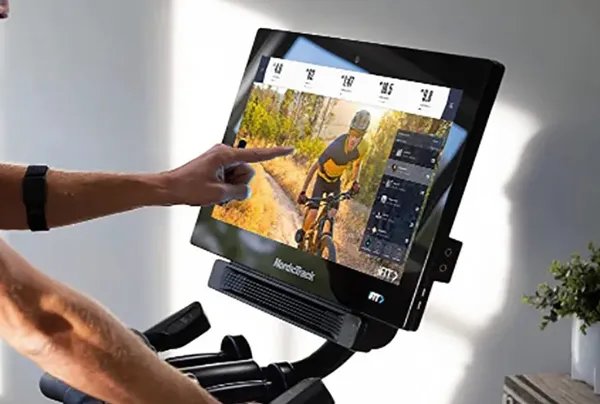
Dragontrail™ glass excels in applications demanding superior screen protection, from everyday consumer electronics like smartphones and tablets to more specialized uses in automotive displays, industrial control panels, and medical devices.
Key Sectors where Dragontrail™ makes a significant impact include:
Key sectors where Dragontrail™ makes a significant impact include:
- Consumer Electronics:
- Smartphones & Tablets: Dragontrail™ provides essential protection, enabling sleek designs with robust defense against daily wear and tear, without compromising touch sensitivity. Many leading brands utilize it for their displays.
- Laptops & All-in-One PCs: It offers durable yet lightweight screen solutions, critical for modern touch-enabled laptops and AIO PCs, maintaining display quality and device portability.
- Wearable Devices: For smartwatches and fitness trackers, which are constantly exposed, Dragontrail™ delivers the necessary thinness, strength, and scratch resistance for compact, resilient designs.
- Automotive Displays:
In automotive applications, Dragontrail™ protects large, often curved, interactive displays in vehicle cockpits. It withstands vibrations and temperature shifts while ensuring optical clarity, with options for anti-reflective and anti-fingerprint coatings enhancing driver interaction. - Smart Home Devices:
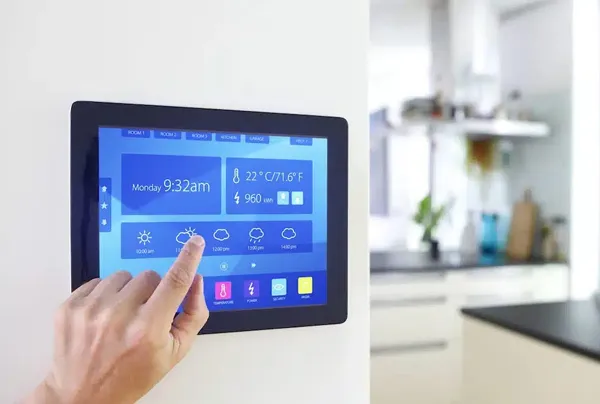
Emerging in smart home devices, Dragontrail™ protects touchscreens on appliances, control hubs, and interactive mirrors. It blends durability with aesthetic appeal and ease of cleaning, crucial for frequently used interfaces within the home environment. (Related product: Custom 2.5D Dragontrail Glass Panels >>) - Industrial & Commercial Equipment:
- Control Panels & HMIs: Industrial control panels and Human-Machine Interfaces in demanding factory or public kiosk settings benefit from Dragontrail’s resilience against harsh operational conditions.
- Point-of-Sale (POS) Systems: POS systems in high-traffic retail and hospitality environments rely on its durability for extended operational life and consistent performance.
- Medical Devices:
Medical monitors and diagnostic equipment utilize Dragontrail™ for its durability and ability to withstand frequent cleaning with disinfectants, a critical requirement in healthcare settings to ensure reliability and hygiene. - Specialty Applications:
- Camera Lens Protection: It also serves in protecting camera lens modules on various devices, safeguarding vital optical components.
- Public Interactive Displays: Protective overlays for digital signage and public interactive displays benefit from its enhanced toughness, ensuring longevity in high-interaction environments.
The common thread across these applications is the need for a transparent material that doesn’t just look good but can also endure the challenges of its intended environment. The ability to customize Dragontrail™ (in terms of thickness, shape, and additional surface treatments) further broadens its applicability. AGC’s continuous development, such as Dragontrail™ StarThin™ for ultra-thin applications, ensures it remains a go-to solution.
What Are Key Considerations for Sourcing Custom Dragontrail™ Glass Solutions?
Once it’s determined that Dragontrail™ glass is a potential fit for a product, the next crucial step is understanding the sourcing process, especially if custom solutions beyond standard sheets are required.
Sourcing custom Dragontrail™ glass involves careful consideration of design specifications, fabrication capabilities, supplier selection, quality assurance, and logistical factors to ensure the final component perfectly meets the application’s needs.
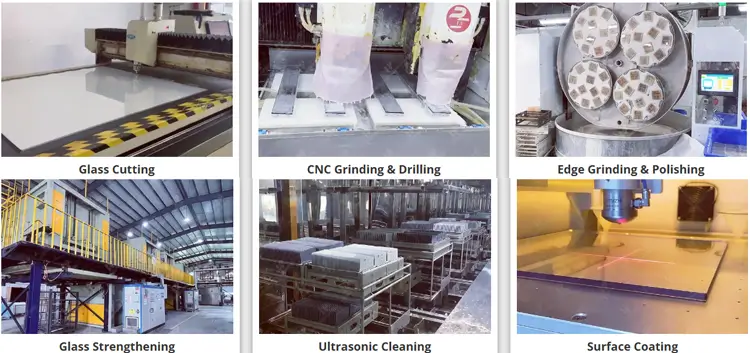
Essential aspects to consider:
- Direct from AGC vs. Authorized Fabricators/Suppliers:
- AGC Inc.: For very large volume orders, engaging directly with AGC might be an option. However, AGC primarily supplies raw glass sheets.
- Authorized Fabricators/Suppliers: More commonly, OEMs and product developers work with specialized glass fabricators. These fabricators purchase raw Dragontrail™ sheets from AGC and then process them according to customer specifications. Choosing a reputable fabricator with proven experience with Dragontrail™ is critical.
- Defining Specifications Clearly:
- Dimensions and Thickness: Specify exact length, width, and thickness with tolerances.
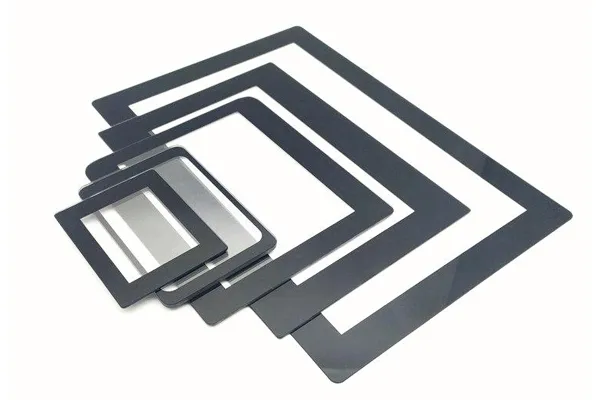
- Shape and Edge Work: Detail needs for rectangular pieces, complex CNC-milled shapes, or curved glass, and the type of edge finishing.
- Holes and Cutouts: Specify size, location, and tolerances.
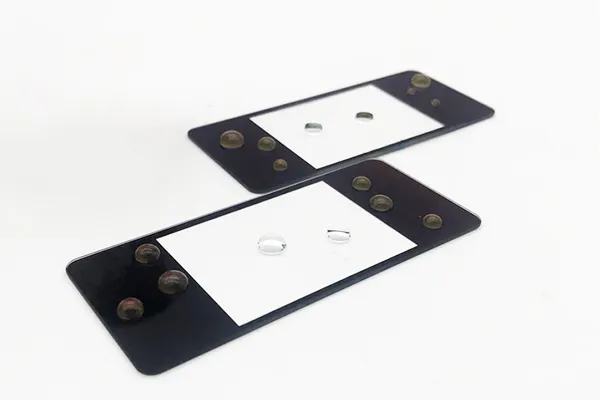
- Surface Treatments/Coatings: Define needs for Anti-Reflection (AR), Anti-Smudge/Anti-Fingerprint (AS/AF), Anti-Glare (AG), or decorative printing.
- Strength Requirements: Specify any particular impact or scratch resistance targets.
- Choosing the Right Custom Dragontrail™ Glass Manufacturer or Supplier:
- Experience and Expertise: Look for suppliers with documented experience in processing chemically strengthened glass like Dragontrail™.
- Capabilities: Ensure they have the necessary equipment for specific customization needs.
- Quality Control: Inquire about their quality assurance processes and certifications.
- Minimum Order Quantities (MOQs) and Lead Times: Clarify these upfront.
- Technical Support: A good supplier will offer technical advice.
- Prototyping and Testing:
- Always request prototypes for evaluation before committing to mass production.
- Conduct thorough testing of the custom Dragontrail™ parts in the actual device.
- Cost Implications:
- Customization adds to the cost. Factors influencing price include complexity, coatings, and order volume.
- Obtain detailed quotes from multiple qualified suppliers.
Conclusion
Dragontrail™ glass by AGC Inc. stands out as a premier material in the cover glass industry. Its blend of strength, clarity, and adaptability makes it a strong contender for numerous applications where screen protection is paramount. While it competes closely with other excellent products, its specific advantages might make it the ideal fit for particular projects.
Ultimately, deciding if Dragontrail™ is the right choice involves weighing its technical merits against project-specific needs, customization requirements, and supply chain considerations. With a clear understanding of its properties and by partnering with skilled custom glass manufacturers, Dragontrail™ can significantly enhance the durability and user experience of many modern devices.




 EN
 FR
 DE
 ES
 PT
 IT
 NL
 DA
 RU
 AR
 TR
 JA
 KO
 ID
 UK
 TH
 VI
 PL
 MS
 ET
 EL