Introduction
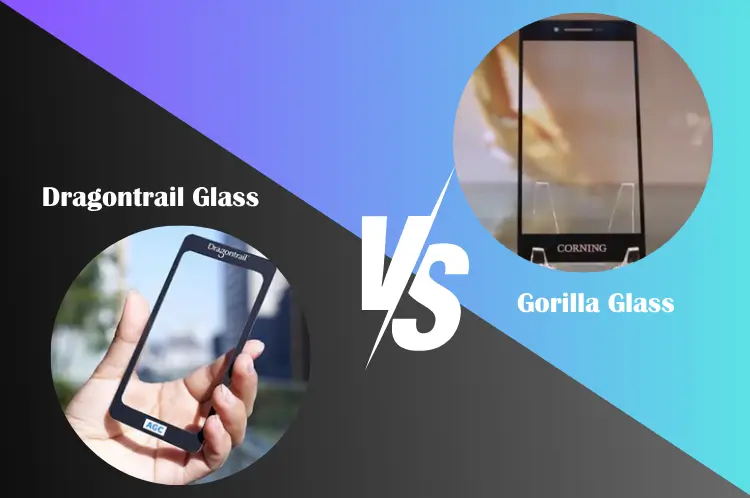
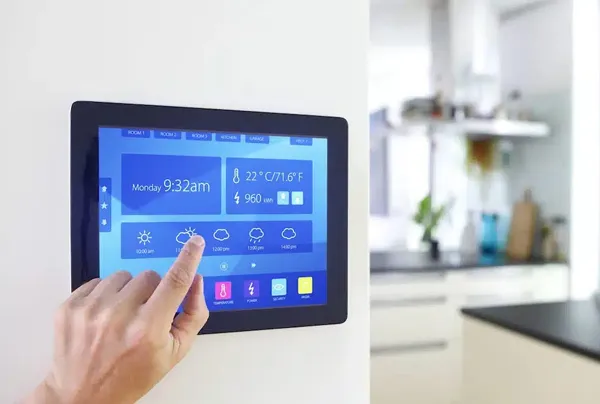
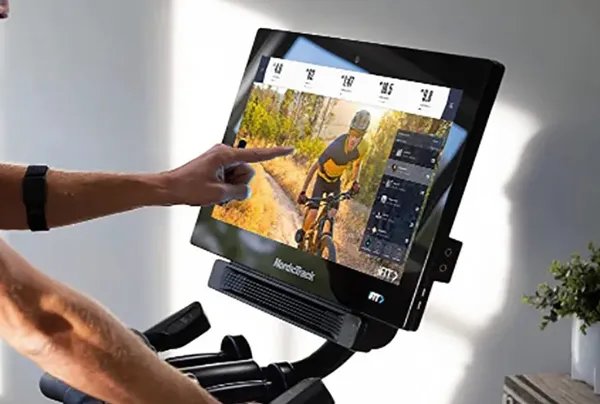
In today’s technology-driven world, the sleek surfaces of our smartphones, tablets, wearables, automotive displays, and industrial panels are our primary interface. Protecting these critical windows to the digital world falls upon a remarkable material: cover glass. This isn’t just ordinary glass; it’s a marvel of material science engineered for exceptional toughness and clarity. Among the leading innovators in this field stand two titans: AGC’s Dragontrail™ Glass and Corning’s Gorilla® Glass. As premier chemically strengthened glasses, they dominate the market, leading device manufacturers, designers, and engineers to constantly ask: “Which one is truly better?”
While both Dragontrail and Gorilla Glass offer outstanding levels of protection against the rigors of daily use, the definitive “better” choice isn’t straightforward. It hinges intricately on specific application requirements, crucial performance priorities, desired aesthetics, and budget considerations. This article provides a thorough exploration, examining the technology, performance, applications, and future trends of these advanced materials to help you make the most informed decision for your unique needs.
What is Dragontrail™ Glass?
Dragontrail™ Glass is the brand name for a range of high-performance, chemically strengthened alkali-aluminosilicate sheet glass manufactured by AGC Inc. (formerly Asahi Glass Co.), a world-leading Japanese glass, chemicals, and high-tech materials company with a vast global presence. Introduced in 2011, Dragontrail quickly established itself as a formidable competitor in the cover glass market, offering a compelling alternative known for its exceptional properties.
The manufacturing process typically involves AGC’s sophisticated float process to create pristine flat glass sheets, followed by a specialized chemical strengthening process. This process involves immersing the glass in a bath of molten potassium salt at high temperatures. Larger potassium ions from the salt migrate into the glass surface, replacing smaller sodium ions originally present in the glass. These larger ions wedge themselves into the glass structure, creating a highly compressed surface layer upon cooling. This compressive stress layer is the key to Dragontrail’s strength, making it highly resistant to surface flaws and external forces that would cause ordinary glass to fracture.
Key Characteristics of Dragontrail Glass
- High Scratch Resistance: Often highlighted in marketing, Dragontrail is engineered to resist scratches from everyday objects.
- Thinness and Lightness: Enables sleek device designs without compromising durability significantly.
- Excellent Clarity: Provides high transparency for vibrant displays and accurate sensor performance.
- Damage Resistance: The compressive layer helps mitigate damage from impacts and bends.
- Product Variations: AGC offers different versions like Dragontrail® Pro (balancing thinness, strength, and scratch resistance) and Dragontrail® Star2 (boasting superior impact protection).
Dragontrail is utilized across a wide spectrum of applications, including smartphones, tablets, laptops, wearables, electronic devices, automotive displays, and industrial touch panels, proving its versatility and reliability in demanding environments.
What is Gorilla® Glass?
Gorilla® Glass is the registered trademark for a family of chemically strengthened alkali-aluminosilicate sheet glass manufactured by Corning Incorporated, an American multinational technology company with a rich history spanning over 170 years in materials science, particularly glass and ceramics. Corning effectively pioneered the market for chemically strengthened cover glass for consumer electronics with the introduction of the first iPhone in 2007, and Gorilla Glass quickly became synonymous with durable smartphone screens.
Similar to Dragontrail, the core technology behind Gorilla Glass is ion exchange. Corning utilizes its proprietary fusion draw manufacturing process, known for producing glass with exceptional surface quality and dimensional stability, followed by an optimized ion-exchange process. Thin sheets of glass are placed in a hot bath of molten potassium salt. Potassium ions diffuse into the glass surface, displacing smaller sodium ions. This creates a deep layer of high compressive stress on the surface, balanced by central tension within the glass. This engineered stress profile makes the glass exceptionally resistant to damage from drops and impacts, as surface flaws are less likely to propagate into critical fractures.
Key Characteristics of Gorilla Glass
- Exceptional Drop Performance: Corning heavily emphasizes and continuously improves drop resistance with each new generation.
- Strong Brand Recognition: Holds significant brand equity and consumer trust, often used as a key marketing feature by device manufacturers.
- Iterative Improvement: Corning regularly releases new versions (e.g., Gorilla Glass 3, 5, 6, Victus®, Victus® 2, Armor) with specific enhancements in drop resistance, scratch resistance, or both.
- Widespread Adoption: Dominant presence in the premium smartphone market, but also used extensively in tablets, laptops, wearables, and increasingly in automotive applications (Gorilla Glass for Auto).
- Focus on Real-World Durability: Testing methodologies often simulate real-world scenarios like drops onto rough surfaces.
Gorilla Glass remains the market leader, particularly in flagship mobile devices (such as iPhone), benefiting from its strong brand, continuous innovation pipeline, and proven track record.
Is Dragontrail Glass as Durable as Gorilla Glass?
This is perhaps the most frequent question, but the answer requires nuance. “Durability” isn’t a single metric; it’s a combination of factors, primarily scratch resistance and resistance to breakage from drops or impacts.
Scratch Resistance (Hardness)
- Historically, Dragontrail often positioned itself strongly on scratch resistance, aiming to prevent the annoying micro-scratches from keys, coins, or debris. Tests like the Vickers Hardness Test can quantify resistance to indentation.
- Gorilla Glass has also significantly improved its scratch resistance over generations. For instance, Gorilla Glass Victus and Victus 2 were marketed as offering substantial improvements in scratch performance compared to previous versions, bringing them closer to, or potentially exceeding, the performance of some alternative aluminosilicate glasses in certain tests.
It’s difficult to declare a universal winner. Specific versions must be compared. Early generations might have shown Dragontrail with an edge in some scratch tests, while newer Gorilla Glass versions have demonstrably closed that gap or even surpassed prior benchmarks. Both offer excellent scratch resistance compared to standard soda-lime glass or plastic.
Drop and Impact Resistance (Toughness)
- Corning has consistently prioritized and heavily marketed improvements in drop performance. Their internal testing often involves dropping devices onto surfaces mimicking asphalt or concrete from increasing heights (e.g., 1 meter, 1.8 meters, 2 meters depending on the generation). Gorilla Glass Victus, Victus 2, and Armor represent significant advancements in surviving drops.
- AGC has also made substantial strides in the impact resistance of Dragontrail, particularly with versions like Dragontrail Star2, which is specifically engineered for enhanced protection against drops and impacts, aiming to compete directly with top-tier Gorilla Glass versions.
Again, it depends on the specific generations being compared. Corning’s relentless focus and marketing on drop performance, especially with the Victus series and Armor, often gives it the edge in perception and potentially in standardized drop tests for the latest premium versions. However, advanced Dragontrail versions like Star2 are also highly competitive in impact resistance.
Both Dragontrail and Gorilla Glass provide exceptional durability far exceeding that of traditional glass. Neither is “indestructible.” The “better” choice often depends on which aspect of durability is prioritized for a specific device and its expected use case, and critically, which specific generation or product grade of each glass is being considered (e.g., comparing Dragontrail Pro vs. Gorilla Glass 6 will yield different results than comparing Dragontrail Star2 vs. Gorilla Glass Victus 2). Comparing the latest premium versions from both companies reveals a highly competitive landscape where performance differences might be measurable in lab tests but less definitively perceivable by the average user without specific side-by-side incidents.
What is the Difference between Dragontrail Glass and Gorilla Glass?
While both Dragontrail and Gorilla Glass are chemically strengthened aluminosilicate glasses using ion exchange, several key differences in their manufacturing, evolution, and market presence distinguish them. Understanding these distinctions is crucial for selection, and they are summarized in the table below:
| Feature | Dragontrail Glass (AGC) | Gorilla Glass (Corning) |
| Manufacturer | AGC Inc. (Japan) | Corning Incorporated (USA) |
| Base Glass Process | Advanced Float Process | Proprietary Fusion Draw Process |
| Strengthening | Chemical (Ion Exchange) | Chemical (Ion Exchange) |
| Primary Historical Focus | Scratch Resistance, Smoothness | Drop/Impact Resistance |
| Recent Focus | Balanced Durability (Scratch & Impact) | Balanced Durability (Scratch & Impact), Optics |
| Notable Product Lines | Standard, Pro, Star2 | Numbered Gens (3, 5, 6), Victus, Victus 2, Armor, DX/DX+ |
| Consumer Awareness | Moderate to Low | Very High |
| B2B Recognition | High | Very High |
| Key Applications | Smartphones, Tablets, Laptops, Auto, Industrial | Smartphones, Tablets, Laptops, Wearables, Auto |
| Potential Cost | Can be competitive, varies by grade/volume | Often premium, varies by grade/volume |
Note: Performance aspects like specific scratch or drop resistance depend heavily on the exact product generation/grade being compared.
Which is “Better” for You: Dragontrail or Gorilla Glass?
Returning to the central question, the “better” choice is entirely context-dependent. Here’s a framework to guide your decision:
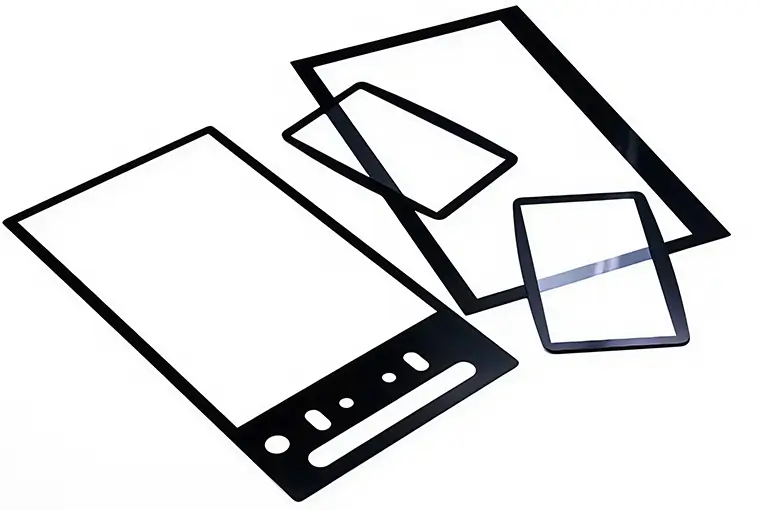
- Prioritize Leading Drop Performance & Premium Branding: If your product is a flagship device where surviving drops from significant heights onto rough surfaces is paramount, and using the strong consumer brand recognition of Gorilla Glass is a marketing advantage, then the latest generations like Gorilla Glass Victus 2 or Gorilla Glass Armor might be the preferred choice.
- Prioritize Excellent Scratch Resistance & Value: If exceptional resistance to everyday scratches is a primary concern, or if you are seeking a high-performance solution that might offer potential cost efficiencies for a specific durability level (requiring direct quotes and testing), then evaluating Dragontrail Pro or other relevant Dragontrail grades is highly recommended.
- Need Balanced, High-Impact Performance: For devices requiring robust impact protection comparable to top-tier offerings, Dragontrail Star2 presents a compelling option that should be assessed alongside comparable Gorilla Glass versions.
- Require Specific Optical Properties: If advanced anti-reflective properties are critical (e.g., for high-end displays or outdoor use), Gorilla Glass Armor currently offers a unique advantage. For wearables where scratch resistance and anti-reflectivity are key, Gorilla Glass DX/DX+ is specialized. Evaluate if AGC offers comparable coated solutions.
- Mid-Range or Budget-Conscious Devices: Older generations of Gorilla Glass (e.g., GG3, GG5) or standard Dragontrail might offer an excellent balance of performance and cost-effectiveness.
- Supply Chain Diversification: Working with both AGC and Corning provides strategic advantages in supply chain resilience and negotiation power.
Regardless of initial preference, the most critical step is to engage directly with glass manufacturers or expert fabricators. Define your specific requirements (thickness, shape, durability targets, optical needs, processing), obtain samples of relevant grades from both Dragontrail and Gorilla Glass, and conduct rigorous internal testing that simulates your product’s real-world use and manufacturing processes.
Where to Buy Custom Dragontrail Glass and Gorilla Glass?
It’s important to understand that device manufacturers typically don’t buy finished cover glass parts directly off the shelf from AGC or Corning. Instead, they purchase the raw glass sheets or work with specialized glass fabricators and processors who transform these raw materials into custom components meeting precise design specifications.
Typical Customization Process of Dragontrail Glass and Gorilla Glass
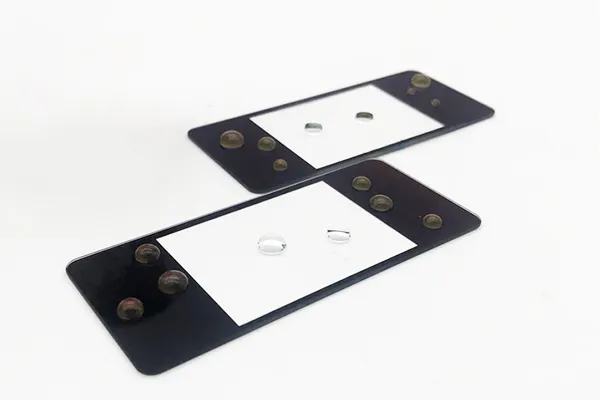
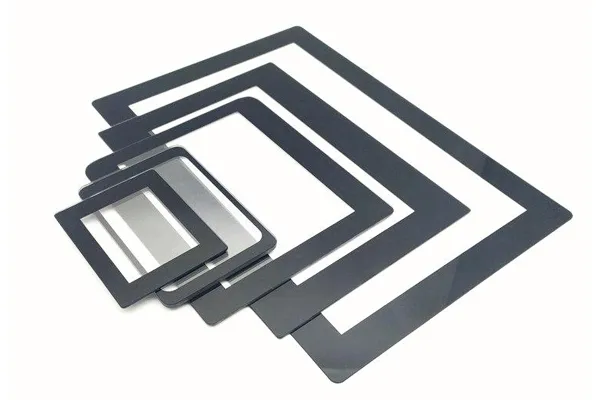
Raw sheets of Dragontrail and Gorilla Glass are the starting point; they must undergo a precise fabrication process to meet the specific design and functional requirements of the end product. This customization, typically performed by specialized glass processors, ensures the cover glass fits perfectly and performs optimally within the final device.
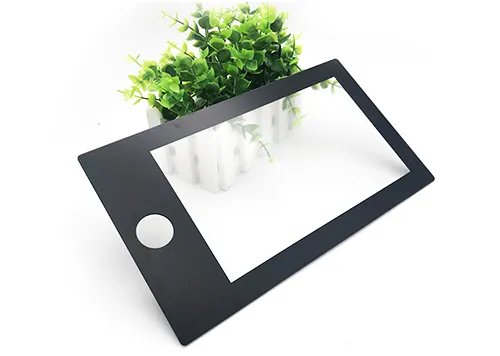
- Cutting and Shapping: Cut the glass sheets into specific shapes and sizes using precision CNC cutting, laser cutting or other cutting techniques.
- Edge Grinding and Polishing: Grind and polish edges for smoothness and strength (edge quality is crucial for durability) and create complex 2.5D or 3D curved shapes through bending processes.
- Drilling: Drill holes or create cutouts for buttons, speakers, and sensors.
- Strengthening: Strengthen the glass chemically if required (though typically done by AGC/Corning).
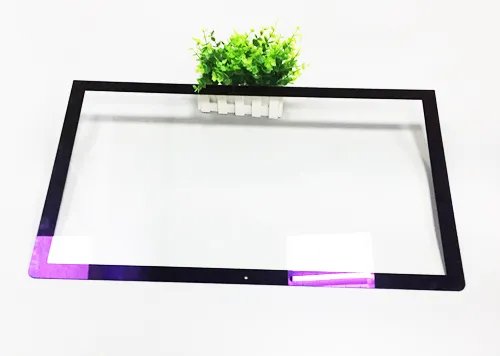
- Surface Treatment: Apply functional or decorative coatings (e.g., anti-reflective, anti-fingerprint, color printing). Generally, the silkscreen printing is the widely used printing technique for most of cover glass for durable prints.
- Inspection: Ensure quality control throughout the process.
Choose Right Partner for Custom Dragontrail Glass and Gorilla Glass
Choosing a capable fabrication partner is essential for realizing the full potential of either Dragontrail or Gorilla Glass. Look for companies with proven experience, advanced equipment, robust quality systems, and the ability to handle your required volume and complexity. For businesses seeking expertly fabricated custom cover glass solutions using either Dragontrail Glass or Gorilla Glass, TFT Cover Glass stands out as a reliable partner.
Employing extensive technical expertise and modern equipment, TFT Cover Glass specializes in fabricating high-precision cover glass components for a diverse range of applications, including consumer electronics, industrial controls, medical devices, automotive interfaces, and more. Whether you need intricate shapes, specific edge treatments, advanced surface coatings, or ultra-thin glass processing, we possess the capability to transform raw Dragontrail and Gorilla Glass sheets into finished parts that meet the most demanding specifications, ensuring optimal performance and seamless integration into your final product. Our deep understanding of both glass materials allows them to provide valuable guidance in selecting and processing the ideal glass for your unique requirements.
Emerging Trends and Future Development of Dragontrail Glass and Gorilla Glass?
The competition between AGC and Corning fuels relentless innovation in the cover glass industry. We can expect several key trends to shape the future:
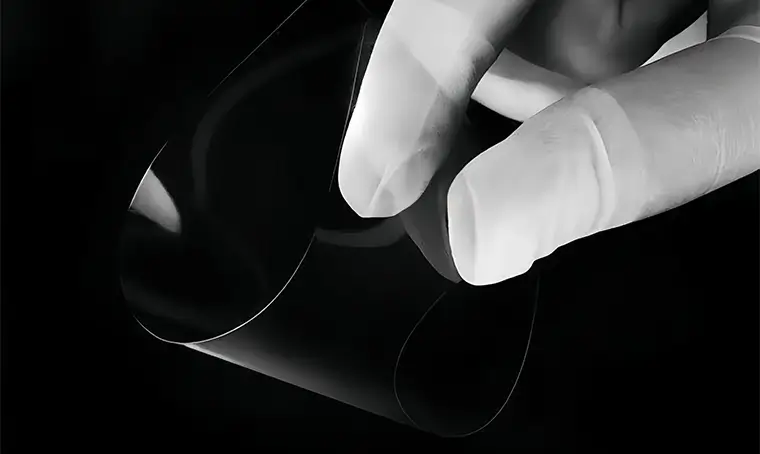
- Holistic Durability: Moving beyond optimizing just drop or scratch resistance, the focus is increasingly on achieving both simultaneously without trade-offs.
- Thinner and Lighter, Yet Stronger: The perpetual drive for sleeker devices demands glass solutions that offer enhanced strength even at reduced thicknesses.
- Enhanced Formability: As designs incorporate more complex curves and even foldable screens, glass needs to become more adaptable without sacrificing durability. Both companies are heavily investing in ultra-thin, flexible, and foldable glass technologies.
- Advanced Optical Properties: Expect further improvements in anti-reflective and anti-glare coatings, reduced fingerprints, enhanced clarity, and potentially integrated optical functionalities. Gorilla Glass Armor’s combination of durability and anti-reflectivity is a prime example of this trend.
- Integration & Smart Glass: Glass may progress beyond a passive protective layer to incorporate features like transparent antennas, integrated sensors, or dynamic tinting.
- Sustainability: Manufacturers are increasingly focusing on more sustainable production processes, reducing energy consumption, and improving the recyclability of their materials.
Both AGC and Corning are actively researching and developing the next generation of cover glass, ensuring that our devices will continue to benefit from increasingly resilient, functional, and aesthetically pleasing surfaces.
Conclusion
In the comparative analysis of Dragontrail Glass versus Gorilla Glass, there is no single champion for all scenarios. Both AGC and Corning produce exceptional chemically strengthened glasses that represent the pinnacle of modern material science, offering remarkable protection for the devices we rely on daily. The “better” choice is fundamentally a strategic decision, deeply intertwined with your product’s specific performance requirements, target market, design goals, and overall budget. Understanding the nuances between the product lines, engaging with expert fabricators like TFT Cover Glass, and conducting thorough testing are key to selecting the cover glass that will provide the optimal blend of durability, aesthetics, and value for your application. As innovation continues at an upbeat pace, the future promises even more resilient and versatile glass solutions from both industry leaders.




 EN
 FR
 DE
 ES
 PT
 IT
 NL
 DA
 RU
 AR
 TR
 JA
 KO
 ID
 UK
 TH
 VI
 PL
 MS
 ET
 EL