Introduction
In the glass processing industry, the initial glass cut is a pivotal stage that dictates the dimensional accuracy, structural integrity, and overall performance of the final panel. As the precision demands for modern screens, displays, and optical glass have intensified, cutting technology has advanced far beyond traditional methods. Among these innovations, laser cutting has emerged as the paramount solution, delivering exceptional precision, superior edge quality, and unmatched design flexibility. This guide explores laser cutting technology, its key advantages, and its most important applications.
What is Glass Laser Cutting?
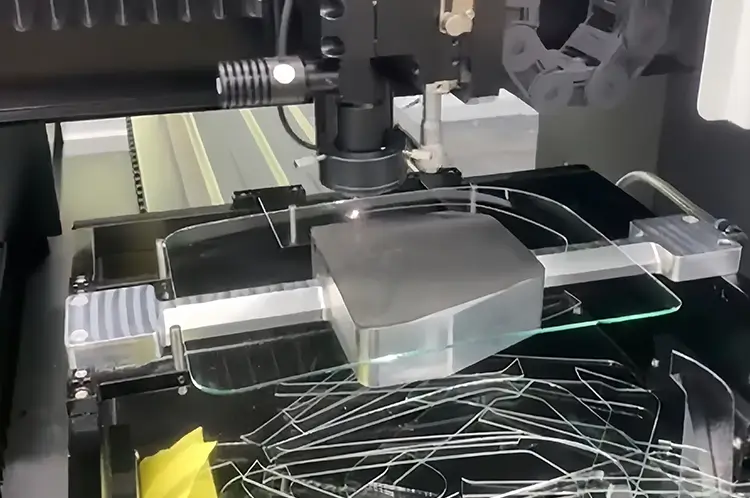
Glass laser cutting is a highly advanced, non-contact manufacturing process that uses a focused laser beam to cut glass materials with extreme precision. Unlike traditional glass cutting methods that rely on physical force (like scoring and breaking or CNC grinding), laser cutting is a thermal process.
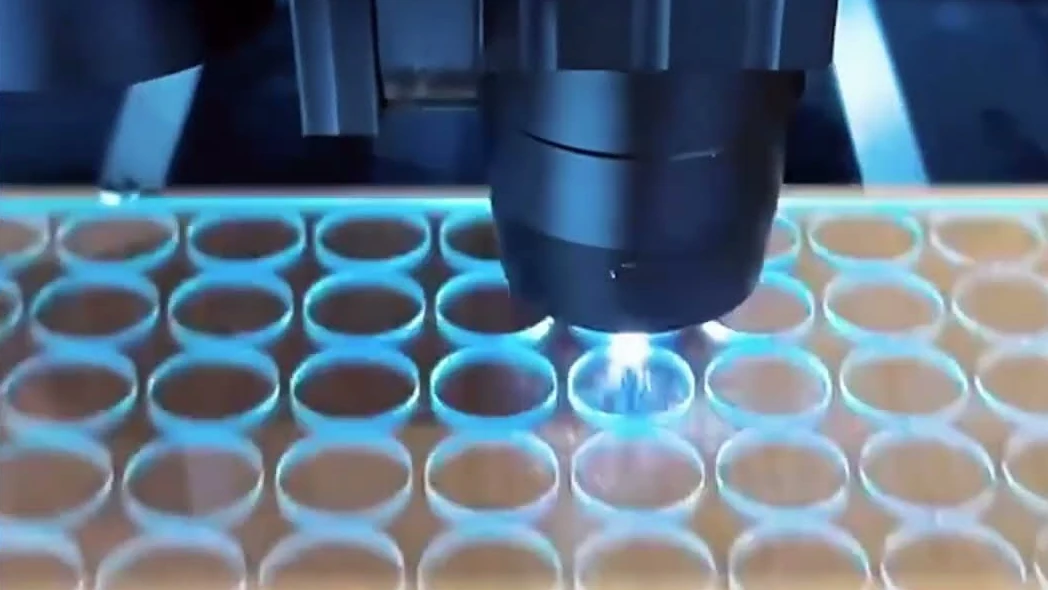
It uses concentrated light energy to perform the cut, resulting in a clean, smooth edge without any mechanical stress being applied to the material. This method eliminates physical tool wear, contact-induced chipping, and the limitations of mechanical cutting bits.
How Does the Laser Process Cut Glass?
The science behind laser cutting for glass is both fascinating and highly effective. The process doesn’t simply melt the glass away. Instead, it relies on a principle of controlled thermal stress.
- Focused Heating: A high-powered laser beam is precisely focused on a point on the glass surface. This intense energy rapidly heats a minuscule area.
- Thermal Tension: This rapid heating creates localized thermal tension within the material.
- Controlled Fracture: A secondary, low-temperature jet (often of air or liquid) is applied right behind the laser spot. The sudden cooling creates a sharp temperature difference, inducing a controlled, microscopic fracture that follows the exact path of the laser beam.
This thermal stress separation results in a perfect, shear-free edge with zero micro-cracks. It is essentially a digitally controlled, perfect “score” that cleaves the glass with incredible precision.
Advantages of Laser Cutting for Glass
Laser cutting offers a range of compelling benefits that directly impact product quality, design freedom, and production efficiency.
- Unmatched Precision & Accuracy: Lasers can achieve tolerances at the micrometer level, allowing for the creation of components that fit perfectly and perform flawlessly.
- Superior Edge Quality: The process produces a pristine, smooth, and chip-free edge. This significantly enhances the strength and durability of the glass part by eliminating the micro-cracks that often lead to failure in mechanically cut glass.
- Ability to Create Complex Shapes: From tiny, intricate holes for sensors to complex curves for custom displays, lasers can execute designs that are impossible for traditional tools to replicate without a high risk of breakage.
- High Speed and Efficiency: As a digitally controlled process, laser cutting is incredibly fast and repeatable, making it ideal for both high-volume production and rapid prototyping.
- Tension-Free and Chip-Free Process: Because it’s a non-contact method, no mechanical stress is introduced into the glass. This is critical for thin or chemically strengthened glass, which can be sensitive to pressure.
Laser Cutting vs. CNC Cutting vs. Waterjet Cutting
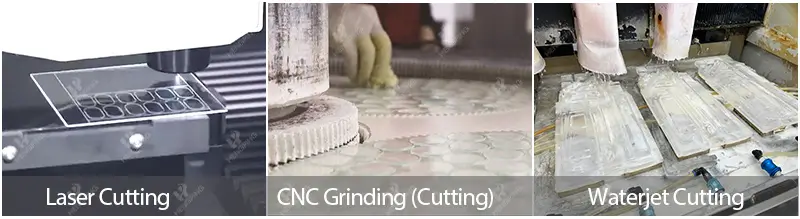
| Parameter / Technology | Laser Cutting (Exemplified by Ultrafast Lasers) | CNC Cutting (Exemplified by Diamond Tool Machining) | Waterjet Cutting (with Abrasive) |
| Core Principle | Non-contact thermal/plasma/brittle fracture | Contact mechanical grinding/machining | Non-contact high-pressure water jet (with abrasive) erosion |
| Cutting Precision (Accuracy Grade) | Very High (µm level) | High to Very High (µm – sub-mm level, depends on equipment & process) | Medium-High (0.1 mm – 0.5 mm typical range) |
| Edge Quality | Excellent (Smooth, stress-free, no chipping) | Good to Excellent (Depends on diamond tool & process; may require post-polishing) | Good (Edge may have slight abrasion or grit feel, depends on abrasive & pressure) |
| Heat Affected Zone (HAZ) | Minimal to None | None | None |
| Minimum Cutting Thickness | Very Thin (e.g., 0.05 mm for ultra-thin glass) | Thin to Medium (0.3 mm – 3 mm common, thicker possible depending on tool & clamping) | Thin to Very Thick (Can exceed 100 mm) |
| Maximum Cutting Thickness | Medium (Depends on laser power, e.g., 2-5 mm) | Medium to Thick (Depends on CNC spindle & tools, few mm to tens of mm) | Very Thick (100 mm+) |
| Minimum Kerf Width | Extremely Narrow (10 µm – 50 µm) | Narrow to Wide (Typically 0.1 mm – 1 mm, depends on tool diameter) | Narrow to Wide (Typically 0.3 mm – 1.5 mm) |
| Cutting Speed (per minute) | Medium to Fast (Depends on complexity & thickness) | Slow to Medium (Depends on shape complexity & cutting depth) | Medium to Slow (Depends on thickness & precision requirements) |
| Shape Complexity Capability | Very High (Complex curves, micro-holes, integrated features) | High (Complex shapes, curves, but may be limited for extremely fine features) | High (Complex shapes, internal cuts, limited by jet nozzle size for micro-features) |
| Tempered Glass Compatibility | Compatible (Requires specific process control) | Not Compatible (Causes uncontrolled shattering due to stress) | Highly Compatible |
| Material Damage | Minimal (Non-contact) | Potential (Mechanical stress, risk of edge chipping) | Minimal (Non-contact) |
| Assist Gas / Medium | Typically required (e.g., N2, O2, Air) | Cooling lubricant / coolant required (Water, oil) | High-pressure water + Abrasive (e.g., Garnet) |
| Equipment Cost | High (Especially ultrafast laser systems) | Medium-High (Depends on CNC precision & configuration) | Medium-High |
| Operating Cost | Medium-High (Laser consumables, gas, maintenance) | Medium (Tool wear, coolant, energy) | High (Water, abrasive consumption, high-pressure pump maintenance) |
| Primary Application Advantages | Ultra-thin glass, cover glass, optical components, micro-machining | General glass cutting, integrated edge finishing, cost-sensitive products | Thick glass, tempered glass, specialty glass, complex profiles |
When is Laser Cutting the Right Choice?
Laser cutting has become the primary method for applications where precision, intricacy, and edge quality are absolutely critical. Its advantages make it particularly suitable for the following high-value glass types:
Cover Glass & Protective Glass
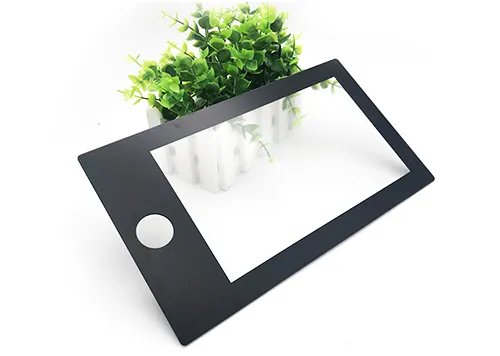
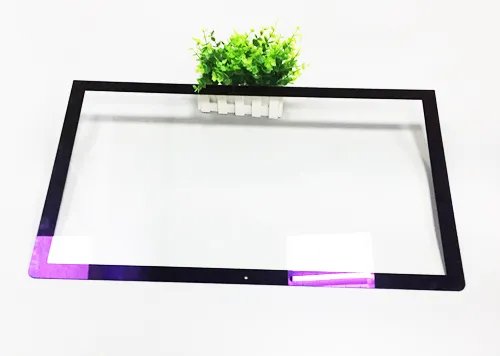
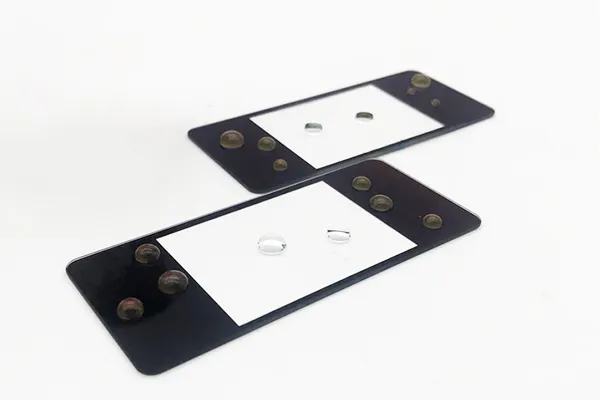
This is one of the largest markets for laser cutting, encompassing the screen protectors and cover lenses for smartphones, tablets, smartwatches, and automotive displays. The technology is considered essential in this sector for several key reasons:
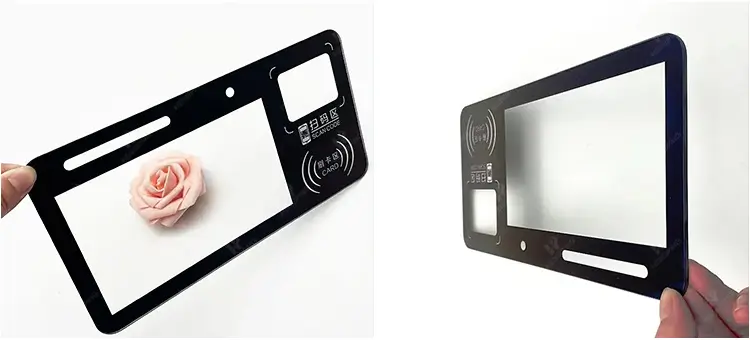
- High-Precision Tolerances: As electronics shrink and tolerances become stricter, laser cutting delivers micron-level precision, ensuring a perfect fit with the device.
- Flawless Edge Quality: Laser-cut edges are exceptionally smooth and often require no secondary polishing. This is vital for thin glass (typically 0.3mm – 1mm), as it reduces stress points that can lead to breakage.(Read more: Glass Edge Types >>)
- Complex Shape Capabilities: Modern screens often feature complex cutouts for cameras and sensors, rounded corners, and other unique shapes. Laser cutting executes these intricate designs flawlessly.
- Stress-Free & Contactless: Unlike mechanical cutting, the non-contact laser process eliminates chipping and micro-cracks, significantly increasing the final product’s yield rate.
Specialty Optical Glass
This includes glass used for high-precision components in camera lenses, microscopes, telescopes, and laser systems. Laser cutting is critical for these applications due to its ability to:
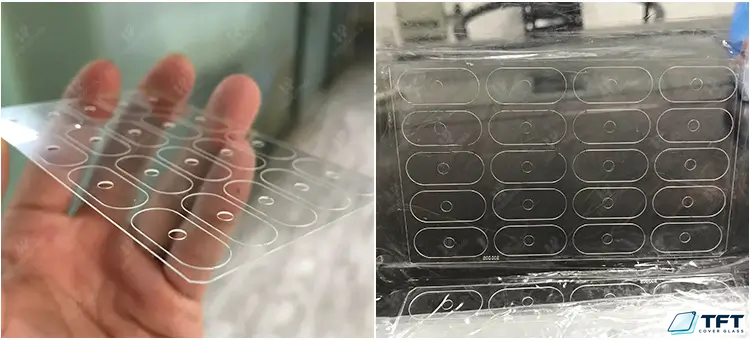
- Preserve Surface Integrity: The pristine edges produced by lasers minimize light scatter and reflection, preserving the glass’s critical optical performance.
- Eliminate Internal Stress: Optical performance is highly sensitive to internal stress. The non-contact nature of the laser is a key advantage in preventing this.
- Fabricate Micro-Components: Lasers are ideal for cutting the tiny, intricately shaped glass parts often required in sophisticated optical devices.
Ultra-Thin Glass
This is essential for emerging technologies like flexible displays, OLED substrates, and micro-electronic packaging. Its use here is driven by specific needs for handling such delicate material:
- Gentle on Fragile Material: Ultra-thin glass is extremely brittle and nearly impossible to process with mechanical tools. The laser’s non-contact method is one of the few viable options.
- Minimize Heat-Affected Zone (HAZ): Processing this sensitive material requires highly optimized laser parameters to minimize thermal impact and prevent the glass from deforming.
Glass with Complex Patterns & Micro-Features
This category includes components like microfluidic chips, sensor substrates, and specialized filters. The primary advantage of using lasers here is for:
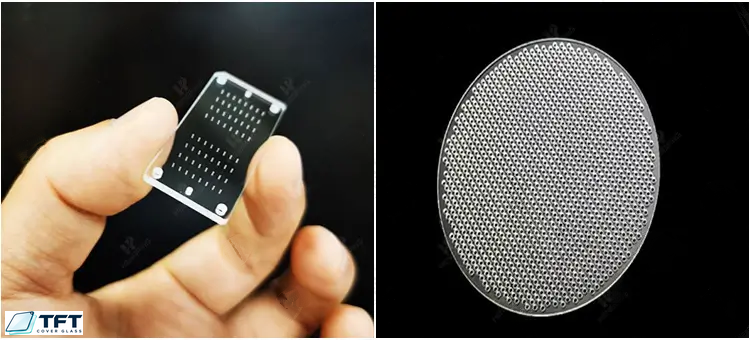
- Micro-Structure Machining: Lasers can create features like extremely small holes (micro-holes) and fine, detailed patterns that are far beyond the capabilities of traditional mechanical tools.
In deep glass processing industry, laser cutting is indispensable for any application demanding the highest levels of precision, the finest edge quality, complex geometries, and the lowest possible risk of damage to the glass. For cover glass in the consumer electronics sector, it has become a mainstream and essential technology.
Our Professional Glass Laser Cutting Services
At TFT Cover Glass, we provide a comprehensive suite of laser cutting services, using advanced technology to transform your complex designs into precisely custom-made glass components.
Our expertise extends across a wide spectrum of materials, including Soda-Lime Glass, Borosilicate Glass, Fused Silica, and chemically strengthened glasses like Corning® Gorilla® Glass, SCHOTT Glass. We tailor our approach to the unique needs of your project, with core services that include:
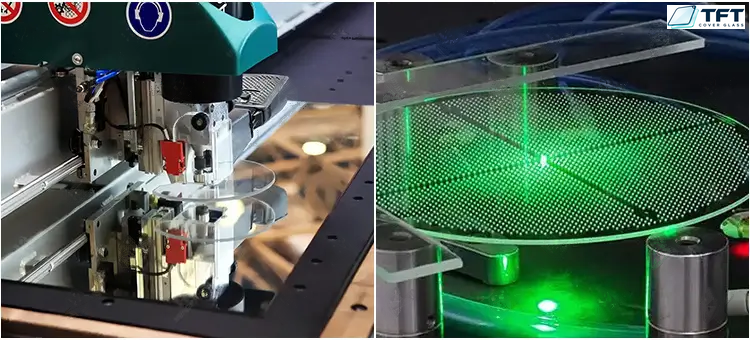
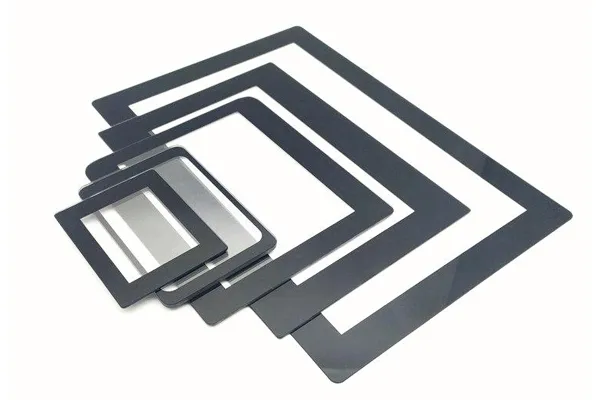
- Custom & Flat Glass Cutting: We precisely cut everything from standard flat panels to complex, non-linear geometries based on your exact CAD specifications. This includes creating intricate internal features like holes, slots, and notches.
- Specialized Glass Processing: Our methods are optimized for special materials, including tempered, laminated, and coated glass. We carefully control the process to ensure the unique structural and optical properties of these materials remain fully intact.
- Precision Drilling: We offer laser drilling of round, square, or custom-shaped holes, delivering clean, smooth edges that are perfect for any functional or decorative purpose.
- Multi-Layer & Varied Thickness Cutting: We are equipped for challenging applications, from synchronized cutting of stacked, multi-layer glass to processing materials at both ends of the spectrum—from ultra-thin substrates (0.1mm) up to thick glass panels (6mm+).
From rapid prototypes to high-volume production, TFT Cover Glass is your trusted partner for precision glass fabrication. Contact us today to discuss your project requirements and discover how our advanced laser cutting services can deliver the flawless results you deserve.
Conclusion
Ultimately, glass laser cutting is no longer just an alternative; it is the definitive standard for precision manufacturing in high-value applications. Its ability to deliver flawless, stress-free edges and intricate geometries is what makes it indispensable for modern electronics, advanced optics, and innovative thin-glass products. To ensure your components meet these exacting standards, choosing an expert partner is paramount. Reach out to TFT Cover Glass to harness the full potential of laser cutting for your next project.


 EN
 FR
 DE
 ES
 PT
 IT
 NL
 DA
 RU
 AR
 TR
 JA
 KO
 ID
 UK
 TH
 VI
 PL
 MS
 ET
 EL