

Summary
Soda lime glass is one of the most common types of glass in our lives. From windows to glasses, from building curtain walls to electronic screens or electronic displays, soda-lime glass permeates every aspect of our lives with its excellent light transmission, chemical stability and low cost. However, behind the seemingly mundane soda-lime glass lies a sophisticated scientific control and efficient modern production process. In this blow, we will analyze the whole manufacturing process of soda-lime glass, from the selection and proportioning of raw materials to the key steps of melting, molding, annealing, etc., to unveil the magnificent transformation of this ancient glass material in the modern industry.Soda Lime Glass Manufacturing Process
Soda lime glass is primarily composed of three key ingredients: silica (SiO₂), sodium oxide (Na₂O), and calcium oxide (CaO). This combination results in a glass that is both strong and transparent, making it ideal for various applications. The manufacturing process of soda lime glass involves several steps, each critical to achieving the desired quality and characteristics of the final product.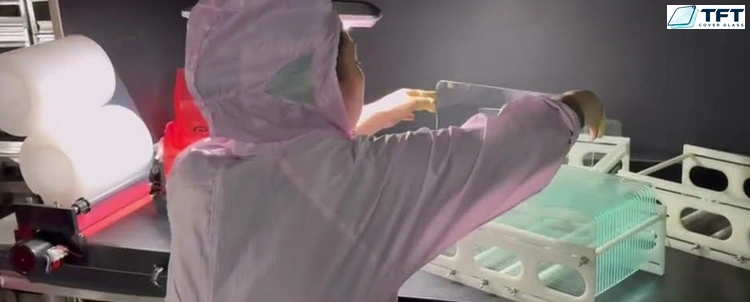
1. Raw Material Selection and Batching: Laying the Foundation for Quality Soda Lime Glass
The primary components of soda-lime glass are silicon dioxide (SiO₂), sodium oxide (Na₂O), and calcium oxide (CaO), derived from silica sand, soda ash, and limestone, respectively. The selection and precise proportioning of these raw materials directly influence the performance and quality of the final soda lime glass products.
1.1 Selecting Premium Raw Materials: The Pursuit of Purity
-
Silica Sand: As the primary constituent of glass, the purity of silica sand directly impacts the transparency and color of the final product. High-quality silica sand requires a silicon dioxide content exceeding 99%, with stringent control over impurities like iron and titanium to ensure optimal light transmission and color purity.
-
Soda Ash: Soda ash is the primary source of sodium oxide, and its purity and particle size affect the efficiency of the melting process and the homogeneity of the molten glass. Selecting high-quality, low-iron soda ash effectively reduces the green tint often present in glass, thereby enhancing its transparency.
-
Limestone: Limestone provides calcium oxide, which enhances the chemical durability and mechanical strength of the glass. Choosing high-purity limestone with uniform particle size contributes to the glass’s resistance to weathering and impact.
1.2 Precise Batching: Scientifically Controlled Performance
In addition to the primary raw materials, small amounts of other auxiliary materials are added during the manufacturing process as needed. For instance, alumina (Al₂O₃) can enhance the glass’s heat resistance and chemical stability, while magnesium oxide (MgO) improves its resistance to devitrification. Below table outlines the commonly used raw materials in soda-lime glass and their primary functions:
| Raw Material | Chemical Formula/Name | Proportion (approx.) | Primary Function |
| Silica Sand | SiO₂ | 70-72% | Forms the main structural network of the glass |
| Soda Ash | Na₂CO₃ | 12-15% | Lowers the melting point, enhances chemical stability |
| Limestone | CaCO₃ | 8-10% | Increases chemical durability and mechanical strength |
| Alumina | Al₂O₃ | 1-3% | Improves heat resistance and chemical stability |
| Magnesium Oxide | MgO | 2-4% | Enhances resistance to devitrification, improves thermal stability |
| Other Additives | – | < 5% | Adjust specific properties like color and light transmittance |
Modern glass manufacturing factories utilize automated batching systems that precisely weigh and blend various raw materials according to predetermined formulas. These systems ensure the consistent composition and uniform properties of the final glass products. (See more: Top 5 Soda Lime Glass Manufacturers in China >>)
2. High-Temperature Melting: The Art of Shaping Glass
The batched raw materials are fed into a furnace where they melt at temperatures ranging from 1500°C to 1600°C, transforming into a viscous molten glass. This seemingly straightforward process involves complex physical and chemical changes alongside precise temperature control.
2.1 Chemical Reactions during Melting
A series of intricate chemical reactions occur at these elevated temperatures:
-
Firstly, soda ash and limestone decompose, producing sodium oxide and carbon dioxide, and calcium oxide and carbon dioxide, respectively.
-
Subsequently, sodium oxide and calcium oxide react with silica sand to form a molten silicate, releasing a significant amount of heat.
-
As the temperature rises, the molten silicate gradually transforms into a free-flowing molten glass, while any trapped air bubbles escape.
2.2 Modern Furnaces: Efficient and Energy-Saving Melting Centers
Modern glass furnaces typically utilize a regenerative heating system where hot exhaust gases preheat the incoming air and fuel, significantly improving energy efficiency and reducing production costs. Moreover, these furnaces are lined with refractory materials and incorporate efficient heat circulation systems, ensuring stable operation at high temperatures.
3. Forming Techniques: Giving Glass its Endless Possibilities
The molten glass is then processed using different forming techniques depending on the desired final product. Each technique has unique characteristics and applications.
3.1 Float Glass: Creating the Perfect Plane
Float glass is the most widely used method for producing flat glass. Molten glass is poured onto a bath of molten tin. Since the molten glass is less dense than the tin, it floats on the surface, spreading out and naturally forming a smooth, even ribbon. The thickness and surface flatness of the glass are precisely controlled by adjusting the temperature of the tin bath and the speed of the ribbon. Float glass production lines are highly automated, efficient, and produce consistent, high-quality glass, making it the preferred choice for modern architectural and automotive glass.
3.2 Rolling: Imparting Unique Textures
Rolling involves passing the molten glass between rollers with engraved patterns to create textured glass sheets. By changing the roller patterns, a wide variety of patterned glass can be produced, such as the popular rain glass and diamond glass. This type of glass not only adds aesthetic appeal but also diffuses light and provides privacy, making it ideal for bathrooms, partitions, and other applications.
3.3 Blowing: Shaping Glass into Art
Glassblowing utilizes human skill or mechanical assistance to shape molten glass into various vessels or artistic pieces. This age-old technique requires immense skill and precision to create intricate shapes and designs. Many everyday objects like drinking glasses, bottles, and decorative items are made using glassblowing.
4. Annealing: Eliminating Stress and Enhancing Quality
Formed glass products contain significant residual stress that can lead to breakage. Annealing is a crucial heat treatment process that relieves this internal stress, enhancing the strength and durability of the glass.
4.1 The Principle of Annealing: Slow Cooling for Stress Relief
Annealing takes place in dedicated annealing lehrs (furnaces). The glass is gradually heated to a specific temperature (approximately 500-600°C) to relieve internal stress and then slowly cooled to prevent the formation of new stress. This process significantly improves the glass’s mechanical strength, thermal shock resistance, and overall durability.
4.2 Annealing Parameters: Precise Control for Optimal Quality
Annealing parameters, such as heating temperature, holding time, and cooling rate, are carefully controlled based on the glass composition, thickness, shape, and intended use. An optimal annealing schedule effectively eliminates internal stress, ensuring high-quality glass products with extended lifespans.
5. Quality Control: Striving for Excellence at Every Step
Rigorous quality control measures are implemented throughout the manufacturing process, from raw materials to finished products, to guarantee consistent quality.
5.1 Raw Material Inspection: Quality Control at the Source
Incoming raw materials undergo thorough testing, including compositional analysis, particle size distribution analysis, and impurity detection, to ensure they meet stringent production standards.
5.2 Production Process Control: Real-time Monitoring and Adjustments
During the melting, forming, and annealing stages, critical parameters like temperature, pressure, and speed are constantly monitored and adjusted in real-time to maintain stable and controlled production conditions.
5.3 Finished Product Inspection: Ensuring Compliance and Customer Satisfaction
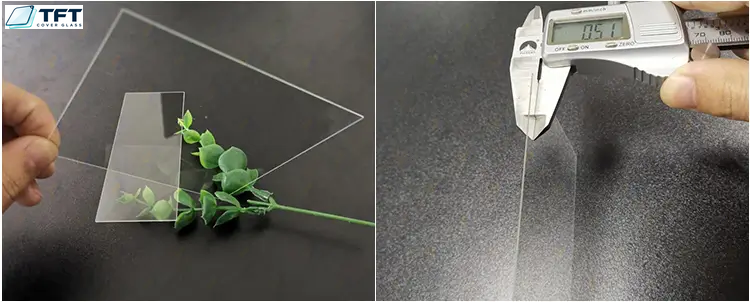
Finished glass products undergo rigorous quality checks, including visual inspections, dimensional accuracy measurements, strength testing, and chemical durability assessments, to guarantee compliance with national standards and customer specifications.
6. Conclusion: Future Outlook and Innovation
Soda-lime glass, despite being a traditional material, remains irreplaceable in modern society. As technology advances and consumer demand for higher quality products increases, the manufacturing process of soda-lime glass continues to evolve. The implementation of energy-efficient furnaces reduces energy consumption and environmental impact. Intelligent control systems enable automated and precise control of the production process.
Meanwhile, the integration of new materials and technologies expands the functionalities and applications of soda-lime glass. We can anticipate that soda-lime glass, with its continuously improving performance and expanding range of applications, will continue to enhance our lives in more ways than ever before.
TFT Cover Glass, a professional glass processing supplier, offers high quality and customized cover glass that are made of high quality soda lime glass. If you are interested in knowing more about soda lime glass applications across industries, welcome to contact us for more information!






 EN
 FR
 DE
 ES
 PT
 IT
 NL
 DA
 RU
 AR
 TR
 JA
 KO
 ID
 UK
 TH
 VI
 PL
 MS
 ET
 EL