What’s Float Glass?
Float glass, a transparent, non-crystallizing silicate non-metallic material, is a type of flat glass manufactured by float process. Float process is currently the main method to produce flat glass and was invented in the 1950s by the Pilkington Group Limited in the United Kingdom.
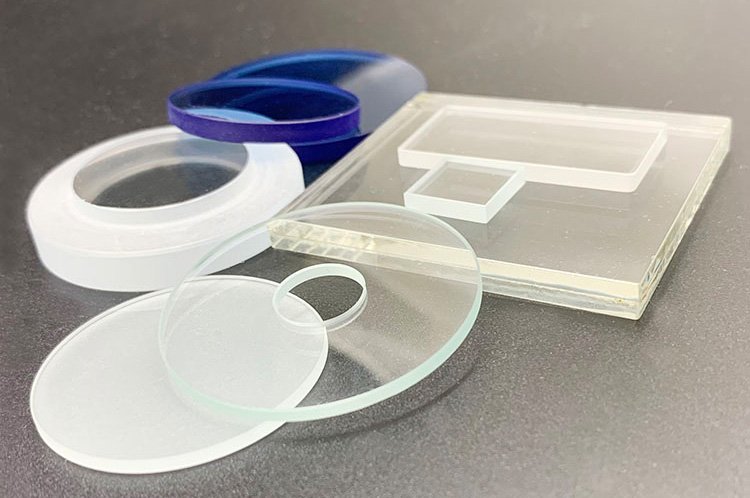
The forming process for float glass production is done in a tin bath fed with protective gases (N2 and H2). Molten glass from the pool kiln continuous inflow and floating in the relative density of the tin liquid surface, under the action of gravity and surface tension, the liquid glass in the tin liquid surface spreading, spreading, formation of the upper and lower surfaces of the flat, hardened, cooled and was led on the transition roller table. Rollers of the roller table rotate, pulling the glass strip out of the tin tank into the annealing kiln, after annealing, cutting, flat glass products are made.
Compared with other glass forming methods,
float process is suitable for high efficiency manufacturing of high-quality flat glass since it has uniform thickness, flat upper and lower surfaces, no wave band. The size of float glass production line is not subject to the limitations of forming method, the energy consumption of per unit product is low, and the utilization rate of finished products is high; In addition, float glass production can be scientifically manage for mechanization, automation, and further improve labor productivity. And, its continuous operation cycle can be up to several years, which is conducive to the stability of float glass production.
Float glass production can provide suitable conditions for on-line production of some new varieties, such as electric float reflective glass, spray film glass during annealing, cold end surface treatment and so on. These advantages make float processing one of the most favored methods in modern glass manufacturing. Nowadays,
float glass is widely used in construction, automobile, and other fields, and has become a basic means of production.
Float Glass Advantages
- High Degree of Flatness and Uniformity: Float glass is smoother due to its tin finish and is neater and flatter under surface tension, with extremely high flatness and uniform thickness, which is critical for a variety of applications such as architectural windows, automotive glass, and various electronic displays.
- Excellent Transparency: Float glass is very clear and has high light transmission, making it ideal for applications requiring high transparency, such as windows and display screens.
- Controlled Quality: The float process allows for precise control over the quality of the glass, including uniformity of thickness, size, and composition.
- Cost-effective: The efficiency and economy of float process allows for mass production, resulting in lower costs, especially for applications requiring large quantities of standard glass.
- Versatility: Float glass can be subjected to a wide range of subsequent processes, such as strengthening, coating, laminating, etc., increasing its flexibility in different areas of application.
- Environmentally Friendly: Modern float glass production processes are increasingly environmentally friendly, reducing the emission of pollutants and are more in line with the requirements of sustainable development.
These features of float glass makes it ideal choice for many applications in today’s society. To better understand whether it is suitable for your applications, knowing the classification of float glass is necessary.
Float Glass Classifications
Float glass can be classified according to different criteria. Followings are some common classifications:
Classified by Chemical Composition
- Standard Float Glass: Standard float glass is usually used in architectural and automotive industries.
- Low Iron Float Glass (Ultra Clear Glass): Lower iron content is more transparent and generally used for applications requiring high light transmission, such as display cases, electronic display screens, and more.
- Tinted Float Glass: Different metal oxides are added to change the color, e.g. cyan, grey, green, etc., and it is usually used in architecture, vehicles, furniture decoration, etc..
Classified by Physical Properties
- Tempered Float Glass: Float glass that has been heat treated or chemically treated to increase strength and safety. (Read more: What’s Tempered Glass?)
- Laminated Float Glass: Two or more layers of glass are sandwiched between PVB (polyvinyl butyl alcohol) or other types of laminated materials.
Classified by Surface Treatment
- Coated Float Glass: A coating is applied to the surface of the glass, such as a low-e (Low-E) coating, an anti-reflective coating, a self-cleaning coating, and so on.
- Etched or Frosted Float Glass: Through acid etching or frosting treatment, the glass surface presents different textures and light transmittance. (Read more: Premium Anti Glare Etched Glass >>)
Classified by Application Requirements
- Architectural Float Glass: Mainly used for building windows, doors and curtain walls.
- Float Glass for Automotive: Mainly used in the manufacture of automotive windows and windscreens.
- Solar Glass: Specially designed for solar panels with high light transmission and weather resistance.
What is Ultra Clear Float Glass?
In modern society, float glass is used in a wide range of industries, including construction, automotive and other fields. Among them,
ultra clear float glass, which has the best transparency and purity and low iron content, is the most widely used in applications that require outstanding optics and aesthetics. There’s a great demand for ultra clear float glass in the market. The following are some specific applications of ultra clear float glass:
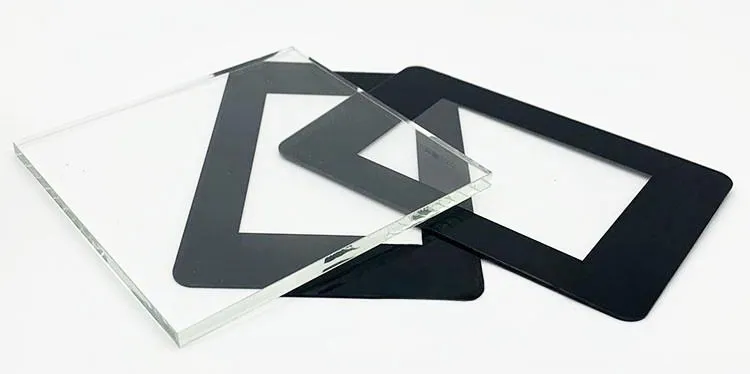
- Solar Panels: The high transmittance of ultra-white float glass is very suitable for use as the front cover of solar panels, which can effectively improve the photoelectric conversion efficiency.
- High-end Electronic Displays: In some LCD screens, high-definition TVs and computer monitors, ultra-white float glass can improve image clarity and color vibrancy.
- Architectural Facades (Curtain Walls): In modern buildings, UWF glass is used in curtain wall systems to provide high transparency and an aesthetically pleasing appearance.
- High-end Retail and Display Cases: used in shop windows, museum display cases and jewelry showcase to ensure excellent presentation of items.
- Furniture and Upholstery: used in tabletops, shelves and other decorative furniture to give it a modern and light feel.
- Framed Glass: used in picture and photo frames, especially when high transparency and color reproduction are required.
- Optical and Scientific Applications: in laboratory equipment, optical instruments and windows for certain scientific research equipment, ultra-white glass is used for its excellent light transmission and low dispersion.
- Automotive Industry: in windows and sunroofs of certain high-end vehicles to provide a clearer view.
Professional Custom Float Glass Panel Manufacturer for Display Screen
TFT Cover Glass is a professional
display cover glass panel manufacturer based in China. With at least 15 years of experiences, we can provide various custom cover lens or glass panels for various applications, including industrial control equipment, medical devices, smart home appliances, electronic displays, gym displays, and more. If you are looking for a reliable manufacturer for your projects, just contact us to get more information and best quotation.
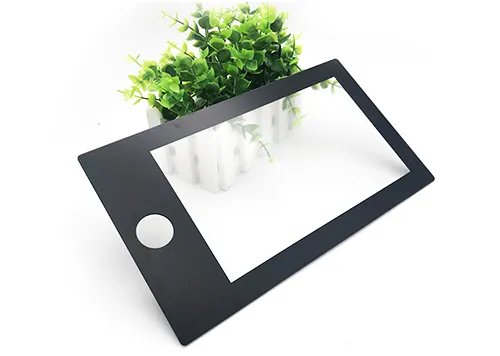
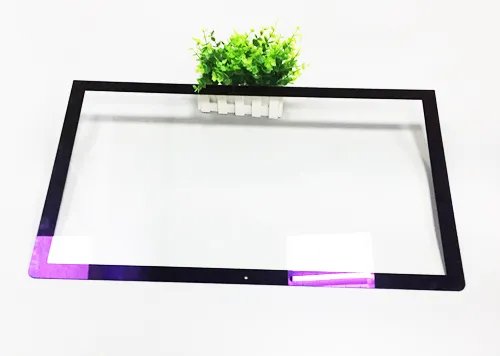
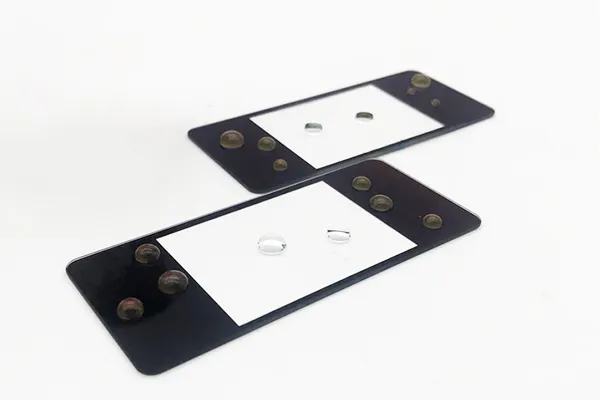
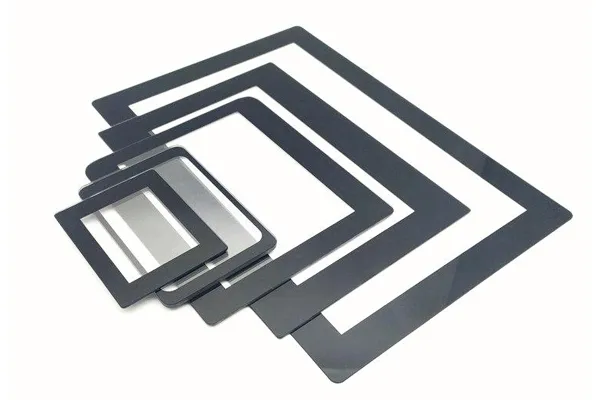
Custom Tempered Float Glass Panels for Touch Panel Display
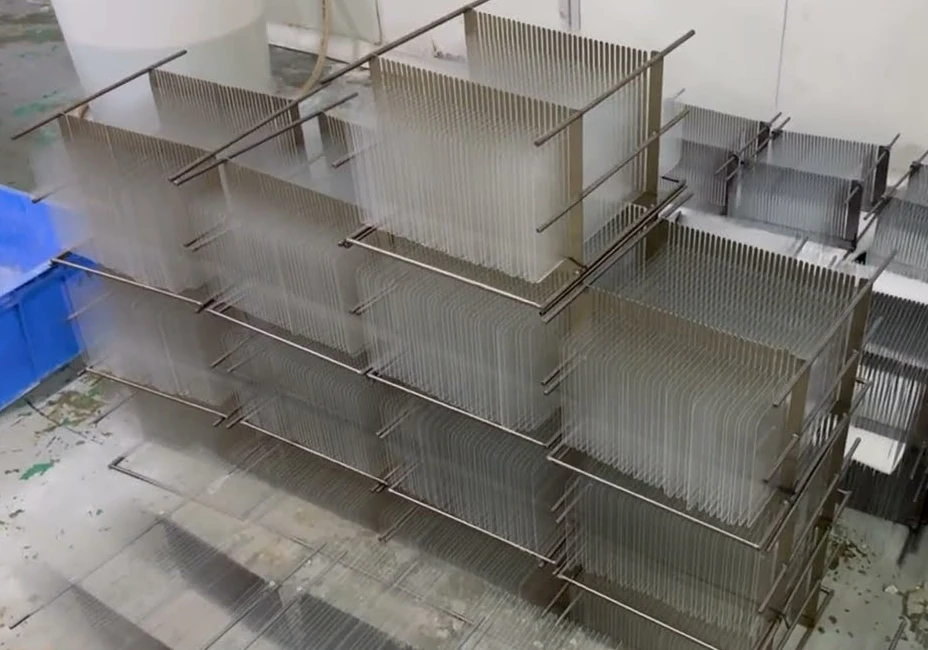 Float glass panels
manufactured by TFT Cover Glass are designed for LCD and TFT displays in a range of sizes, shapes, printings. They are characterised by non-glare, superb scratch and water resistance, with a focus on maintaining perfect flatness and smoothness. These display cover glass panels are available with various treatments such as anti-glare, anti-reflective, anti-fingerprint and anti-microbial and comply with safety and environmental standards. If you have any needs, just contact us to get professional information!
World Top 5 Float Glass Manufacturer for Display Screen
Ultra clear float glass is mainly used in the electronic information industry, such as ITO conductive film glass, precision instruments, meters, liquid crystal displays, photovoltaic glass, and electronic touch screens. And it is usually very thin, the thickness is about 0.55 mm-2 mm. The following are some of the float glass manufacturers with an important position in this field:
- Corning Incorporated (Corning Inc.): an American company known for its innovative glass technologies, especially in the field of electronic device displays, such as Gorilla Glass series products.
- Asahi Glass Corporation (AGC Inc.): a Japanese company, one of the world’s largest glass manufacturers, offering float glass for a wide range of industrial and architectural applications.
- Saint-Gobain: a French company that produces float glass for a wide range of architectural and industrial applications, and is also involved in the field of high-performance materials.
- CSG Holding Co., Ltd.: a leading Chinese manufacturer of architectural and industrial glass, also producing float glass for the electronics and energy industries.
- NSG Group (Nippon Sheet Glass Co., Ltd.): Headquartered in Japan, NSG produces a wide range of glass products through its Pilkington brand.
- Fuyao Glass Industry Group Co., Ltd.: Headquartered in China, Fuyao Glass Industry Group Co., Ltd. is a large producer of automotive and industrial glass.




 EN
 FR
 DE
 ES
 PT
 IT
 NL
 DA
 RU
 AR
 TR
 JA
 KO
 ID
 UK
 TH
 VI
 PL
 MS
 ET
 EL