
Introduction
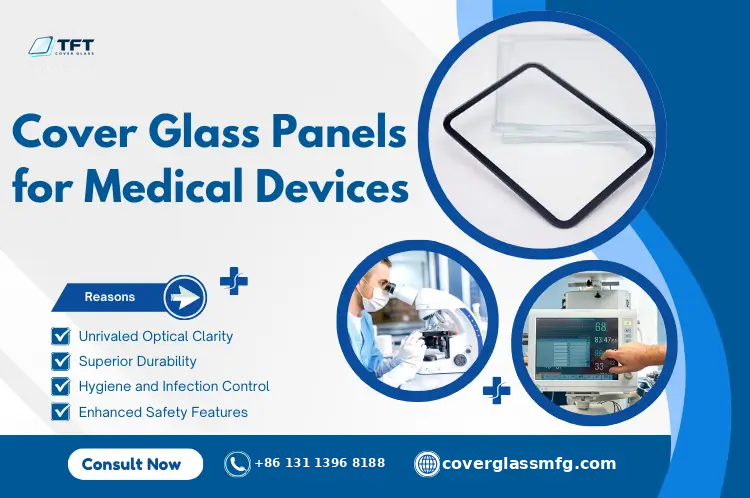
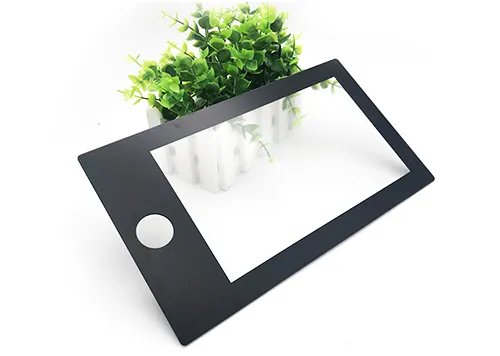
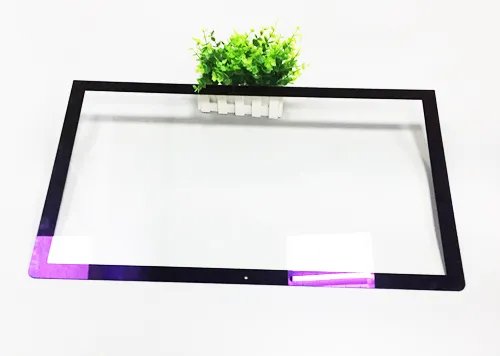
In the highly regulated and demanding environment of medical technology, the selection of materials is paramount. Glass panels, specifically engineered for display screens and touch interfaces, offer a unique combination of clarity, durability, hygiene, and safety that makes them an ideal choice for a wide range of medical devices. This article discusses the critical advantages of using cover glass panels in medical applications, highlighting their superior performance compared to alternative materials and outlining key considerations for selection and implementation. From diagnostic imaging systems to patient monitoring equipment, understand why glass is becoming the gold standard in medical device design.
Critical Role of Materials in Medical Technology
The world of medical devices is one where precision, reliability, and patient safety are non-negotiable. Every component, from the smallest microchip to the largest display screen, must meet stringent regulatory requirements and withstand demanding operational conditions. In this context, the choice of material for display panels and touch interfaces is a critical decision with significant implications for device performance, longevity, and user experience.
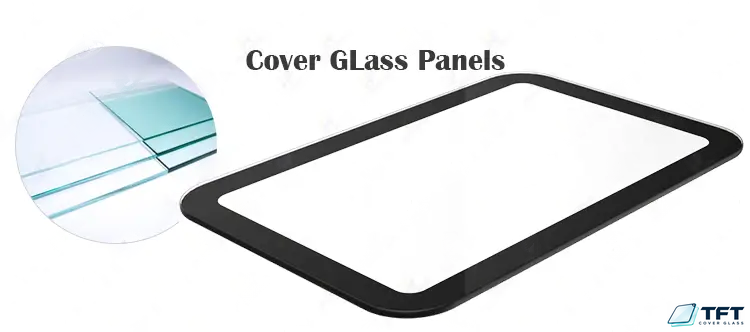
While plastic (like Acrylic) alternatives exist, glass panels, specifically engineered and strengthened for demanding applications, are increasingly becoming the preferred choice for medical devices. This isn’t simply a matter of aesthetics; it’s a strategic selection driven by the inherent properties of glass and the unique requirements of the healthcare environment. Let’s explore the key reasons behind this trend.
Superior Properties of Cover Glass Panels for Medical Applications
Glass panels designed for medical devices offer a compelling combination of characteristics that address the specific needs of the healthcare industry. These properties can be broadly categorized into optical clarity, durability and resistance, hygiene, and safety.
Unrivaled Optical Clarity: Enabling Precision and Accuracy
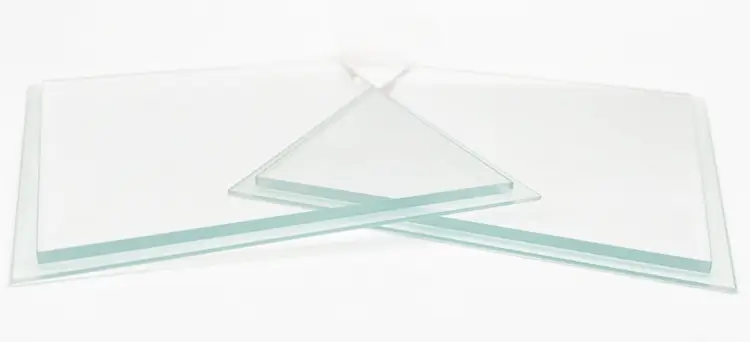
Medical professionals rely on visual information for accurate diagnosis, treatment planning, and patient monitoring. The clarity of a display screen, and the unimpeded visibility through cover glass, is therefore paramount. Glass panels excel in this area due to several factors:
- Exceptional Light Transmission: Specialized glass compositions, like those used in cover glass applications, boast exceptional light transmission, allowing for vivid and accurate color reproduction. This is crucial for displaying complex medical images such as X-rays, CT scans, and MRIs, ensuring that even subtle details are clearly visible to the clinician.
- Enhanced Observational Capabilities: Beyond display clarity, cover glass also provides a crystal-clear view of devices and samples. This allows medical personnel to accurately observe equipment functions and analyze specimens without any visual obstruction, contributing to more informed decision-making and improved patient outcomes. The clarity of the glass ensures that colors and textures are rendered faithfully, which can be critical in identifying anomalies.
- Minimal Distortion: Unlike some plastics, glass is inherently stable and resistant to deformation, ensuring minimal distortion of the displayed image or the view of the underlying device or sample. This is vital for maintaining the integrity of diagnostic information and ensuring accurate assessments.
- Excellent Viewing Angles: Properly designed glass panels provide wide viewing angles, allowing multiple users to view the display or the sample simultaneously without significant color shift or image degradation. This is particularly useful in collaborative medical environments such as operating rooms and consultation rooms.
The inherent transparency of glass makes it a suitable material for many display applications. However, for medical devices where visual clarity is absolutely critical, further enhancements are often necessary. Corning Gorilla Glass, known for its exceptional clarity and durability, and anti-reflective (AR) coatings, which minimize glare and maximize light transmission, are frequently employed to optimize the visual performance of glass panels in these demanding applications.
Durability and Resistance to Harsh Environments
Medical devices are often subjected to rigorous use and harsh cleaning procedures. Glass panels offer superior durability and resistance compared to plastic alternatives:
- Scratch Resistance: Strengthened glass panels, often using techniques like chemical tempering or ion exchange, are highly resistant to scratching and abrasion. This is essential for maintaining display clarity and preventing damage from repeated cleaning and handling.
- Chemical Resistance: Medical environments frequently utilize strong disinfectants and cleaning agents to prevent the spread of infections. Glass is inherently resistant to most chemicals, ensuring that the display panel remains unaffected by cleaning procedures. Many plastics, on the other hand, can degrade or become discolored when exposed to these substances.
- Impact Resistance: While not indestructible, specially treated glass panels can withstand significant impact forces. This is important in preventing damage from accidental bumps or drops, which are common occurrences in busy medical settings.
- Thermal Stability: Glass panels exhibit excellent thermal stability, maintaining their integrity and performance over a wide range of temperatures. This is particularly relevant for devices used in environments with fluctuating temperatures or those that generate heat during operation.
This explains why many medical devices, initially designed with acrylic panels for displays, are now being upgraded to utilize the superior performance of cover glass.
Hygiene and Infection Control
Infection control is a top priority in healthcare settings. Glass panels offer significant advantages in maintaining a hygienic environment:
- Non-Porous Surface: Glass is inherently non-porous, meaning it does not absorb liquids or harbor bacteria. This makes it easier to clean and disinfect, reducing the risk of cross-contamination.
- Compatibility with Disinfectants: As mentioned previously, glass is compatible with a wide range of disinfectants, including those containing alcohol, bleach, and quaternary ammonium compounds.
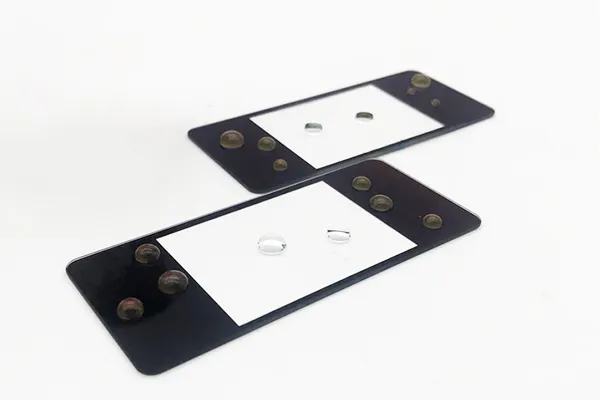
- Easy Cleaning: The smooth, non-porous surface of glass panels makes them easy to clean and sanitize, minimizing the time and effort required for infection control. And cover glass panels intended for medical devices often incorporate an anti-fingerprint coating, which significantly improves their cleanability and reduces the visibility of smudges.
- Antimicrobial Coatings (Optional): For even greater protection against microbial growth, antimicrobial coatings can be applied to glass panels. These coatings typically contain silver ions or other antimicrobial agents that inhibit the growth of bacteria, viruses, and fungi.
Enhanced Safety Features
Safety is paramount in medical applications, and glass panels contribute to overall device safety in several ways:
- Shatter Resistance: While glass can break, specially treated glass panels are designed to shatter into small, blunt fragments rather than sharp shards. This reduces the risk of injury in the event of accidental breakage.
- Edge Rounding and Polishing: Manufacturers often round or polish the edges of glass panels to eliminate sharp edges and corners, further minimizing the risk of injury.
- Flame Retardancy: Glass is inherently non-flammable, providing an added layer of safety in the event of a fire.
- Compliance with Medical Device Standards: Reputable glass panel manufacturers adhere to strict quality control standards and ensure that their products comply with relevant medical device regulations, such as ISO 13485 and IEC 60601.
Comparing Glass to Alternative Materials: A Comprehensive Overview
While other materials like plastics (acrylic, polycarbonate, etc.) can be used for medical device displays, glass panels offer a superior combination of properties. The following table provides a side-by-side comparison:
| Feature | Glass Panels | Plastics (Polycarbonate, Acrylic) |
| Optical Clarity | Excellent | Good to Fair |
| Scratch Resistance | Very High | Low to Moderate |
| Chemical Resistance | Excellent | Fair to Good |
| Impact Resistance | Good (Treated) | High (Polycarbonate) |
| Hygiene | Excellent | Good |
| Thermal Stability | Excellent | Fair to Good |
| Cost | Moderate to High | Low to Moderate |
| Customization Options | High | High |
| Antimicrobial Options | Yes | Yes |
Applications of Cover Glass Panels in Medical Devices
The superior properties of glass panels make them suitable for a wide range of medical devices, addressing diverse needs from diagnostics to patient care. Applications can be broadly categorized as follows:
Diagnostic and Imaging Equipment
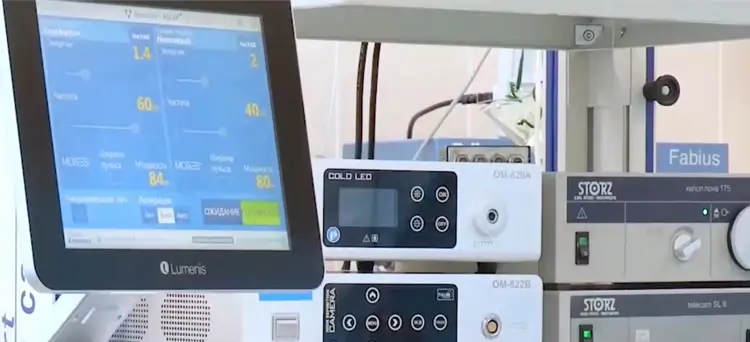
This category encompasses a wide range of devices used for visualizing and assessing patient conditions, including X-ray machines, CT scanners, MRI machines, ultrasound systems (B-scan displays), and medical endoscopes (e.g., laryngoscopes). Glass components are critical for image clarity and accuracy in these applications.
Patient Monitoring and Life Support Systems
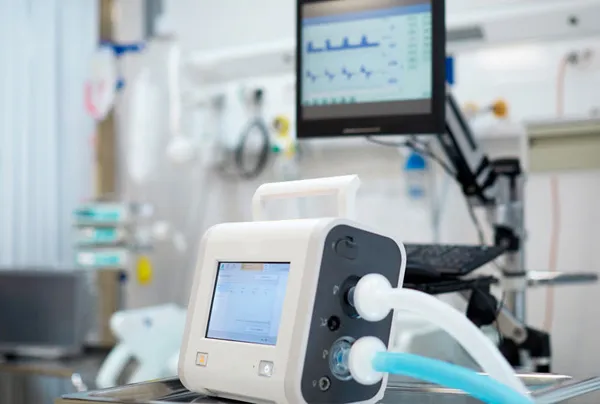
Devices used to monitor patients’ vital signs and provide life-sustaining support, such as vital signs monitors, ECG machines, ventilators, and various human body monitoring devices, rely on clear and reliable displays to ensure accurate patient assessment and timely intervention.
Surgical and Therapeutic Equipment
Applications in this category include surgical displays for endoscopic procedures, surgical navigation systems, robotic surgery platforms, and therapeutic devices such as intravascular lithotripsy (IVL) devices for calcified plaque ablation. Accurate parameter display is vital for these tools.
Laboratory and Analytical Instruments
This category covers a broad array of laboratory equipment, including automated blood analyzers, microscopes (using glass coverslips and slides), cell counters, and various types of metering instruments. The chemical resistance and optical clarity of glass are crucial in these applications.
Touchscreen Interfaces and Control Panels
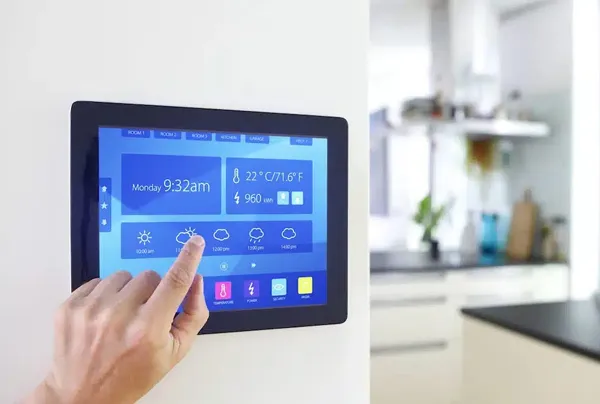
Many medical devices, including patient check-in kiosks, medical record systems, point-of-care devices, infusion pumps, and defibrillators, utilize touchscreen interfaces for ease of use and efficient data entry. The durability and hygiene of glass make it an ideal material for these applications.
Cameras and Optical Systems
Medical equipment uses cameras in many applications from endoscopes to diagnostics. high-clarity glass lenses that ensure accurate imaging.
Medical Aesthetic Device
Used in a variety of aesthetics applications for the purposes of displaying parameters.
This overview provides a glimpse into the diverse applications of glass panels in medical technology. However, it is not exhaustive. If you have a unique application or are considering replacing existing components with glass panels, please do not hesitate to contact us with your specifications or drawings. We are committed to providing tailored solutions and comprehensive support to help you achieve your medical device design goals.
Key Considerations for Selecting Glass Panels for Medical Devices
When choosing glass panels for medical devices, several factors should be considered:
- Glass Type: Different types of glass materials offer varying levels of strength, chemical resistance, and optical clarity. The most commonly used glass materials for medical devices have soda-lime glass, ultra-clear glass, aluminosilicate glass. And the most commonly used aluminosilicate glass is Corning Gorilla Glass and Panda Glass. Select the appropriate glass type based on the specific requirements and budget.
- Strengthening Process: Both thermal (physical) tempering and chemical tempering are commonly employed to enhance the impact and scratch resistance of glass panels used in medical devices.
- Surface Treatment: Anti-glare (AG) coatings, anti-fingerprint (AF) coatings, anti-reflective coating (AR) and antimicrobial coatings can be applied to glass panels to improve their performance and functionality. AG glass is essential for medical devices used in high-ambient-light environments to mitigate glare. AF coatings greatly facilitate cleaning, while AR coatings are crucial for maximizing clarity in demanding medical display applications.
- Touch Technology: If the glass panel is to be used in a touchscreen application, select the appropriate touch technology, such as capacitive touch, resistive touch, or infrared touch.
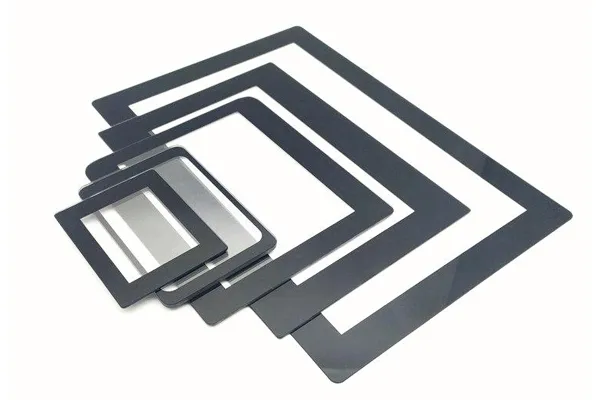
- Customization Options: Glass panels can be customized to meet specific size, shape, and thickness requirements. Manufacturers can also provide custom printing, edge rounding, and other finishing options.
- Regulatory Compliance: Ensure that the glass panels comply with relevant medical device regulations, such as ISO 13485 and IEC 60601.
- Supplier Reputation: Choose a reputable glass panel manufacturer with a proven track record of supplying high-quality products to the medical device industry.
The Future of Glass Panels in Medical Technology
The demand for glass panels in medical devices is expected to continue growing in the coming years, driven by advancements in medical technology, increasing demand for improved patient safety, and the growing adoption of touchscreen interfaces. Future trends in this area include:
- Ultra-Thin Glass: The development of ultra-thin glass allows for the creation of lighter and more compact medical devices.
- Flexible Glass: Flexible glass offers the potential for creating curved or flexible displays that can be integrated into new types of medical devices.
- Advanced Coatings: Ongoing research and development are focused on creating new and improved coatings for glass panels, such as self-cleaning coatings and coatings that enhance touch sensitivity.
- Integration with Sensors: Glass panels can be integrated with sensors to create smart displays that can monitor patient vital signs or environmental conditions.
Conclusion
Cover glass panels offer a compelling combination of optical clarity, durability, hygiene, and safety that makes them an ideal choice for medical devices. While they may represent a higher initial investment compared to plastic alternatives, the long-term benefits of improved performance, reliability, patient safety, and enhanced brand reputation ultimately drive increased market value for medical device manufacturers. By carefully considering the factors outlined in this article, medical device manufacturers can select the right glass panels for their specific applications and ensure the optimal performance and longevity of their medical devices, leading to increased customer satisfaction and market share.
To ensure optimal integration of these benefits into your medical device designs, partnering with a specialized glass panel manufacturer is crucial. TFT Cover Glass stands as a leading provider of high-quality glass panels, offering customized solutions and expert technical support tailored to the unique demands of the medical device industry. Welcome to contact us for more information.




 EN
 FR
 DE
 ES
 PT
 IT
 NL
 DA
 RU
 AR
 TR
 JA
 KO
 ID
 UK
 TH
 VI
 PL
 MS
 ET
 EL