
Contents
Introduction
Not all glass is created equal. If you are a product designer, engineer, or purchasing manager, you know that choosing the right glass material can make or break your device’s performance.
In the glass manufacturing industry, materials are not just categorized by their chemical makeup (like soda-lime glass or aluminosilicate glass); they are strictly classified by their quality grades and applications. The requirements for light transmittance, thickness tolerances, and impurity levels vary drastically depending on the end use. You wouldn’t use a building window for a smartphone display, nor would you need an expensive camera-grade lens for a coffee table.
In this comprehensive guide, we break down the 6 widely recognized glass quality grades by application, from the flawless optical grade down to the mass-produced architectural grade, to help you choose the right glass material for your project.
6 Grades of Glass by Application
Industry standards separate glass into six distinct tiers based on three core metrics: optical clarity, surface microscopic flatness, and defect tolerance. As we move down this hierarchy from extreme precision to massive construction, the manufacturing focus shifts entirely. Here is the detailed breakdown of each tier to help you understand where your product or your industry fits.
Optical Grade Glass – Highest Quality
At the very top of the pyramid is optical grade glass. This category demands absolute perfection.
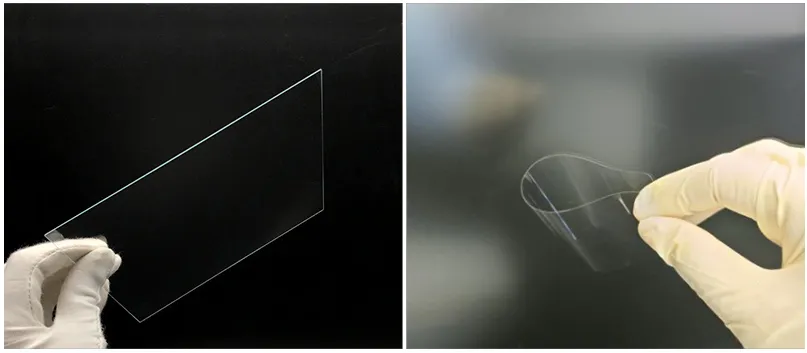
- Characteristics: It features extremely high light transmittance (often exceeding 98% with anti-reflective coatings), an ultra-thin profile, and a flawless surface. In this grade, the tolerance for internal impurities, bubbles, or surface defects is exactly zero.
- Applications: Traditional uses include precision lenses, optical windows, prisms, medical imaging sensors, and machine vision systems. In recent years, this grade has experienced massive demand in cutting edge fields such as aerial drones for LiDAR and obstacle avoidance sensors, as well as the new energy sector for electric vehicle autonomous driving cameras and highly efficient solar tracking optics.
- The Verdict: While it offers unmatched clarity, it is highly specialized and generally too expensive for large sized touch panel applications.
Electronic Grade Glass
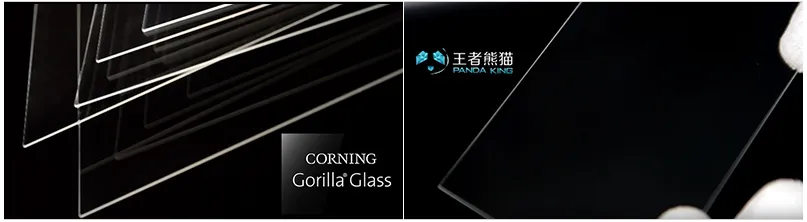
Moving to everyday smart technology, electronic grade glass strikes the perfect balance between high purity and mechanical strength.
- Characteristics: Electronic glass offers excellent surface flatness and is typically ultra thin. It is chemically strengthened using high alumina materials like Gorilla Glass to ensure maximum drop and scratch resistance while maintaining highly responsive capacitive touch sensitivity.
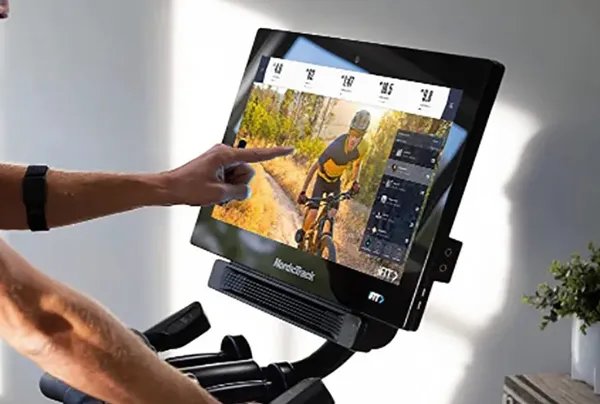
- Applications: Consumer smart devices including smartphones, smartwatches, tablet computers, portable POS systems, and commercial interactive displays and screen, etc.
- The Verdict: This grade is the absolute industry standard for modern smart devices where blending extreme durability with a flawless interactive touch experience is mandatory.
Cover Grade Glass
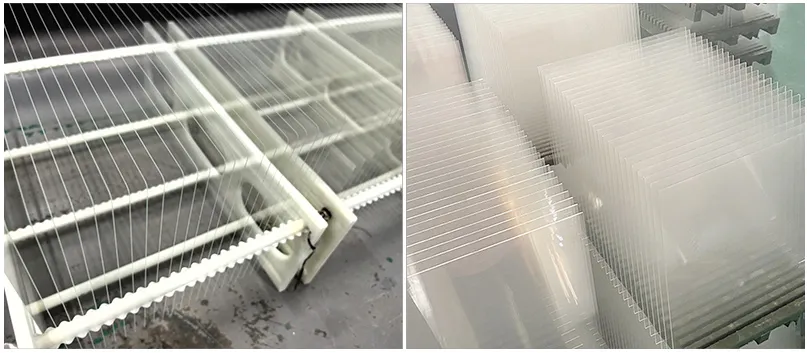
Also known as professional display glass, cover grade glass is the ultimate “gatekeeper” for sensitive electronics operating in demanding environments.
- Characteristics: Cover grade glass is highly customization and exceptionally durable. It is engineered to withstand harsh conditions and often undergoes specialized surface treatments such as AG (Anti-Glare), AR (Anti-Reflective), and AF (Anti-Fingerprint) coatings.
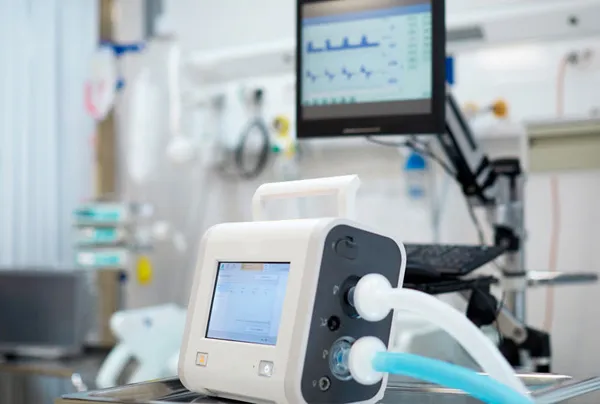
- Applications: Medical monitors (ultrasound machines), industrial control panels, outdoor kiosks, marine navigation displays, and rugged military equipment.
- The Verdict: If your product needs to survive factory vibrations, bright outdoor sunlight, or rigorous medical cleaning protocols, custom cover grade glass is the mandatory choice.
Home Appliance Grade Glass
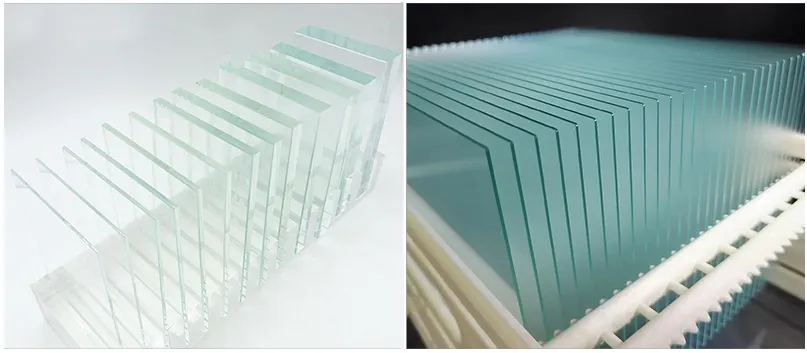
Smart homes are rising, and the glass used in these devices requires a unique blend of safety, aesthetics, and touch capability.
- Characteristics: Safe (usually tempered), aesthetically pleasing with custom silk-screened colored borders, and structurally sound. This grade frequently utilizes G+G (Glass-to-Glass) touch structures, allowing for seamless integration of touch sensors behind a beautiful glass facade.
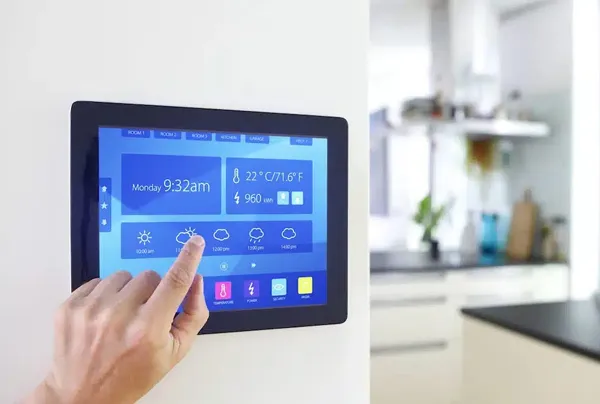
- Applications: Smart home wall switches, thermostat panels, smart refrigerator displays, electronic locks, and oven interfaces.
- The Verdict: It delivers a sleek, modern look while ensuring the reliability needed for daily household interactions.
Furniture Grade Glass
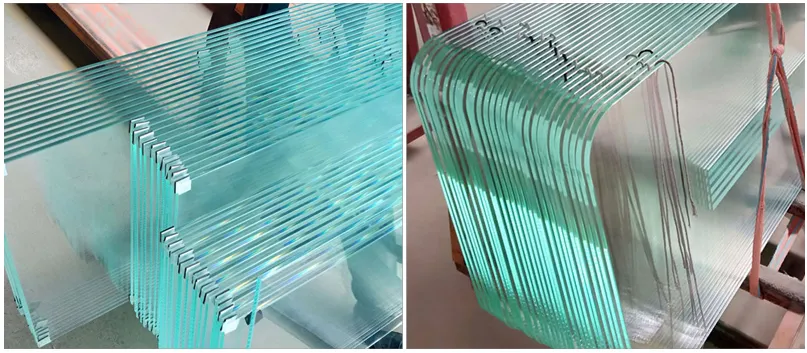
As we move away from precision electronics, the manufacturing tolerances become significantly looser.
- Characteristics: Furniture grade glass has moderate light transmittance and is generally much thicker. Because it doesn’t need to transmit digital images or support touch sensors, the manufacturing process allows for less strict defect tolerances.
- Applications: Glass tabletops, display cabinets, interior decor mirrors, and shelving.
- The Verdict: Great for interior design, but completely unsuitable for electronic displays, as microscopic surface unevenness would ruin touch sensitivity.
Architectural Grade Glass (Lowest Quality)
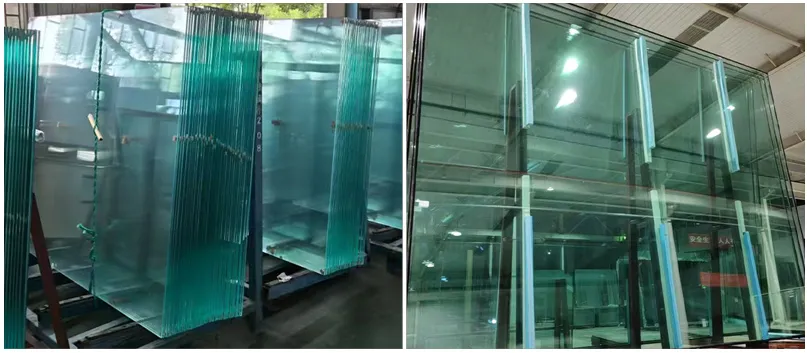
At the bottom of the precision scale is architectural grade glass, built for scale and structural integrity rather than optical clarity.
- Characteristics: Mass-produced with poor micro-flatness. It has the lowest light transmittance among the six grades. Because of its high iron content, architectural glass typically exhibits a noticeable greenish tint. More importantly, visible impurities, tiny distortions, and bubbles are considered acceptable.
- Applications: Building windows, glass doors, skyscrapers, and structural partitions.
- The Verdict: Never use architectural glass for a digital display. The impurities and poor light transmission will result in a blurry screen and a high failure rate for touch panels.
Quick Reference: 6 Glass Grades Comparison
Selecting the precise glass material for a specific project requires balancing optical performance with structural durability. To simplify your decision making process, we have compiled the key technical metrics into a straightforward reference table. Product engineers and purchasing managers can use this visual guide to quickly evaluate light transmittance levels, defect tolerances, and touch panel compatibility across all six categories.
| Glass Grade | Light Transmittance | Impurity Tolerance | Touch Panel Suitability | Primary Use Case |
| Optical | 98%+ | Zero / None | Yes (Overkill) | Lenses, Lasers, Instruments |
| Electronic | 91% – 95% | Extremely Low | Excellent | Smartphones, Tablets |
| Display Cover | 90% – 95% | Extremely Low | Excellent | Industrial, Medical, Outdoor |
| Appliance | 88% – 92% | Very Low | Great (G+G) | Smart Home, Appliances |
| Furniture | Moderate | Moderate | Poor | Tables, Cabinets |
| Architectural | Low (Greenish) | High | Unusable | Windows, Buildings |
Why TFT Cover Glass Exclusively Uses Grades 1 to 4
As you can see, the further down the list you go, the cloudier and less precise the glass becomes. At TFT Cover Glass, we exclusively utilize Grades 1 through 4 (Optical, Electronic, Cover, and Appliance grades) for all our manufacturing processes.
Why do we strictly reject Grade 5 (Furniture) and Grade 6 (Architectural) glass? The answer lies in our advanced manufacturing standards. Our production lines are engineered for extreme precision, and low grade materials simply cannot withstand the rigorous demands of our in house deep processing technology.
By utilizing only top tier raw glass material, we provide the flawless foundation required for our comprehensive processing capabilities:
- Extreme Precision Machining: When operating laser cutting equipment with tolerances as tight as ±0.01 mm, or executing complex CNC precision engraving for stepped structures and 2.5D curved edges, the raw glass must possess perfect internal consistency. Low grade glass is highly prone to micro cracking or shattering under such precise machining.
- Advanced Surface Coatings: Achieving a perfect optical finish requires an absolutely flat microscopic foundation. Because we strictly use Grades 1 to 4, we can successfully apply specialized surface coatings like AR (Anti Reflective) to maximize light transmittance, AF (Anti Fingerprint), and uniform frosted AG (Anti Glare) treatments without any visual distortion.
- Aesthetics and Structural Integrity: Accurate color representation in silk screen printing and UV printing relies entirely on the optical clarity of the base glass. Furthermore, our rigorous physical and chemical glass tempering processes require materials with zero internal impurities to guarantee maximum impact resistance and safety.
We firmly believe that a precision industrial control panel or a life saving medical device should never be compromised by substandard materials. By pairing premium raw glass with our elite deep processing technology, we guarantee that every custom cover glass panel we deliver features flawless touch compatibility, zero distracting impurities, and exceptional durability.
Conclusion
Selecting the correct grade glass material is one of the most critical steps in product development. As we have explored, the application dictates the material. The journey from flawless optical lenses to standard building windows proves that raw material quality determines everything from visual clarity to capacitive touch sensitivity. Compromising on your base material will ultimately compromise the user experience of your final product.
At TFT Cover Glass, we eliminate that risk entirely. By exclusively utilizing Grades 1 through 4 and pairing them with our extreme precision deep processing technology, we ensure your custom cover glass performs flawlessly in any environment. Whether you are designing a rugged industrial control panel, a sensitive medical monitor, or a sleek smart home interface, we have the machinery and the material expertise to bring your exact specifications to life.
Do not leave your display interface to chance. Reach out to TFT Cover Glass today to submit your CAD drawings, request a free engineering consultation, and receive a customized quote for your next project.



 EN
 FR
 DE
 ES
 PT
 IT
 NL
 DA
 RU
 AR
 TR
 JA
 KO
 ID
 UK
 TH
 VI
 PL
 MS
 ET
 EL