Contents
Introduction
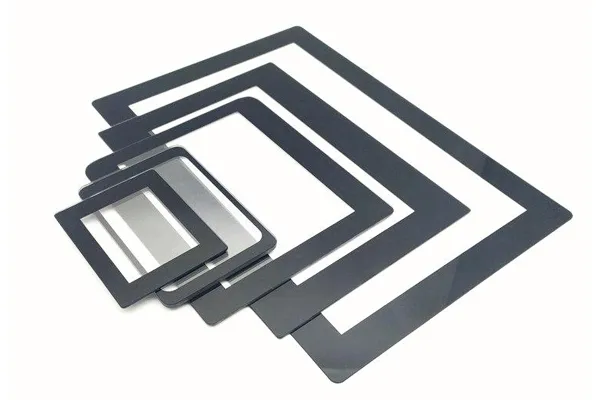
In the fast-paced world of medical technology, ensuring the reliability and hygiene of equipment is paramount. As a leading manufacturer specializing in custom glass panels, TFT Cover Glass provides high-quality cover glass solutions for medical devices, electronic displays, and more. In our daily operations, we often receive feedback from clients about touch screen failures. This has deepened our understanding of the real-world challenges medical equipment faces beyond basic functionality.
Today, we’re excited to share a practical topic: antibacterial solutions for medical touch panels. This approach not only minimizes potential damage from frequent cleaning and disinfection but also offers safer, long-lasting hygiene for healthcare institutions.
As experts in custom cover glass, our antibacterial glass technology is the ideal fix for these pain points. Let’s learn it together.
Common Challenges of Touch Screen Failures in Medical Devices
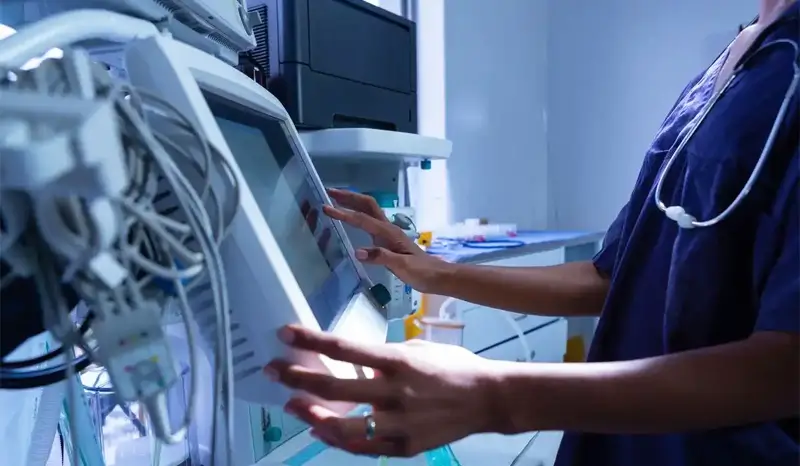
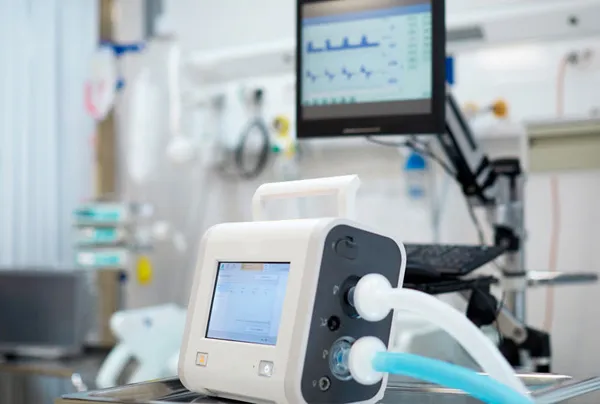
Medical equipment in operating rooms or wards, such as patient monitors and surgical navigation systems, often features touch screens. After a period of use, these devices commonly experience touch functionality issues.
Key Symptoms of Touch Screen Failure
- Unresponsive to presses (e.g., buttons that don’t register touches).
- Erratic jumping or ghost touches on the screen.
Professional testing tools confirm that the touch screen itself is damaged. Upon disassembly, traces of liquid infiltration are evident, with affected channels showing varying degrees of chemical corrosion.
Root Causes from Healthcare Practices
Further discussions reveal that healthcare facilities routinely clean and disinfect equipment panels. However, due to inadequate overall sealing, excess disinfectant seeps inside, causing:
- Circuit corrosion.
- Open-circuit failures.
Hospitals frequently use chlorine-based disinfectants, which are particularly corrosive to electronic components, explaining why problems arise after extended use.
Here, we’re not delving into overall device sealing design issues. Instead, we’re focusing on antibacterial solutions for touch glass panels. By incorporating antibacterial technology, end-users can reduce reliance on high doses of disinfectants, lowering bacterial growth risks while extending equipment lifespan. This isn’t a novel concept, but its value in medical applications is immense. At TFT Cover Glass, we offer customized antibacterial glass panels to help clients overcome these hurdles.
The Science Behind Antibacterial Glass: Ion Exchange Fundamentals
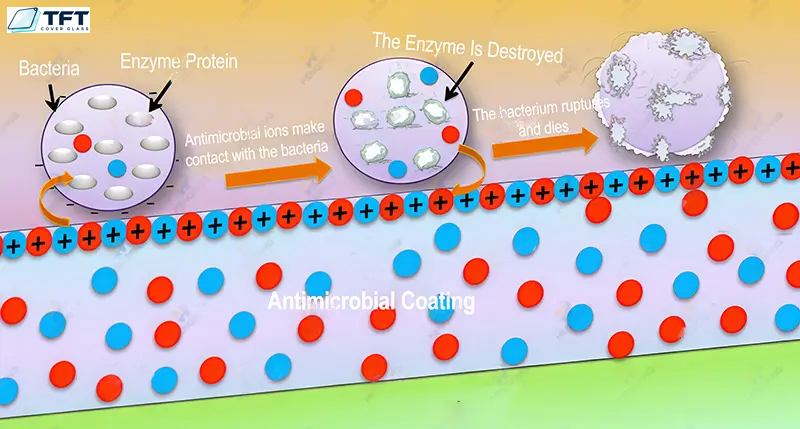
The core of antibacterial glass lies in the ion exchange process: implanting silver and copper ions into the glass surface. These metal ions boast powerful antibacterial properties, effectively inhibiting the growth of harmful microorganisms like algae, fungi, and mold.
Advantages Over Traditional Methods
Unlike standard coating or film-based antibacterial methods, ion exchange offers:
- Deep embedding of antibacterial elements into the glass structure.
- Prevention of detachment from daily use, wiping, or environmental changes.
- Broad-spectrum, long-term efficacy.
In simple terms, this process is like infusing glass with natural bactericides, turning the panel into a bacteria-resistant barrier. In healthcare settings, this means touch screens require less frequent chemical disinfection, reducing seepage risks while maintaining high hygiene standards.
Antibacterial Glass Manufacturing: Seamless Integration with Chemical Strengthening
Antibacterial glass is produced using an ion conversion process, similar to traditional chemical strengthening. Post-treatment, silver and copper ions are embedded in the glass surface. This ensures the antibacterial effects are as enduring as the tempering, unaffected by human handling, environmental factors, or time. Thus, ion exchange antibacterial glass offers near-permanent antibacterial performance.
Key Benefits of the Manufacturing Process
- Molecular-Level Transformation: Doesn’t rely on surface layers, providing inherent stability.
- Suitability for Medical Use: Withstands repeated touches and cleanings without compromising function.
Safety of Antibacterial Glass: Proven and Reliable
Safety is a core consideration for medical devices. The integration of silver and copper ions in antibacterial glass ensures not only effective antimicrobial action but also high biocompatibility and durability. Below, we break down the safety profiles of these key ions, drawing from established research and applications.
Silver Ions: Widely Recognized for Safety and Efficacy
Silver ions, as an antibacterial agent, are widely recognized for their safety in medical and consumer products.
- NASA deems silver the safest sterilizer, using it in spacecraft water containers and purifiers to prevent microbial contamination in extreme environments.
- In Chinese tradition, silver vessels are used for brewing tea, medicine, and jewelry, highlighting its long-standing biocompatibility and non-toxic nature.
Silver ions can eliminate over 650 types of bacteria, with strong reducibility enabling repeated antibacterial cycles without harmful residues. This makes them ideal for healthcare settings where consistent hygiene is critical.
Copper Ions: Enhancing Broad-Spectrum Protection with Proven Safety
Copper ions complement silver by further enhancing broad-spectrum antibacterial capabilities, particularly in medical applications where reducing healthcare-associated infections (HAIs) is essential. The U.S. Environmental Protection Agency (EPA) has approved copper alloys as antimicrobial materials, underscoring their safety for use in devices and surfaces. Key safety and efficacy aspects of copper ions include:
- Direct Microbial Damage: Copper ions can damage bacterial proteins, DNA, and cell membranes, making it difficult for bacteria to develop resistance. They also generate reactive oxygen species that interfere with essential enzymes.
- Proven in Healthcare: Research shows copper surfaces significantly reduce microbial loads in hospitals, contributing to infection control. Studies on copper-based coatings, like those used in medical devices, demonstrate bactericidal activity against human pathogens without compromising safety.
- Non-Toxic Release: Copper ions are released in controlled amounts, ensuring they are harmless to humans while effectively targeting microbes, aligning with stringent healthcare standards.
Overall Durability and Stability Features
In terms of stability for the antibacterial glass as a whole:
- Withstands over 100,000 abrasion cycles without wear concerns in normal use.
- Endures 600°C temperatures, suitable for various medical sterilization processes.
Overall, this material is harmless to humans, releasing no toxic substances and perfectly aligning with healthcare hygiene standards.
Impact of Antibacterial Glass on Performance: Data-Driven Insights
Many worry that adding antibacterial features might compromise glass performance. Based on real-world testing, differences from standard strengthened glass are negligible.
Performance Comparison Table
Here’s a comparison table of key metrics:
| Parameter | Impact Value |
| Chemical Strength (MPa) | △ ±50 MPa |
| Strengthening Depth (um) | △ ≈1 |
| Surface Hardness (H) | △ ≈0 |
| Color Difference | △ <1 |
| Antibacterial Activity (R Value) | ≥2 |
| Full-Band Transmittance | △ <1% |
As shown, antibacterial treatment has minimal effects on strength, hardness, color difference, and transmittance. The antibacterial activity (R value), a key metric, is typically ≥2, verified by third-party labs. This isn’t just technical validation—it’s a driving force for end-user selection, with higher R values indicating stronger efficacy.
Why Choose Us As Your Antibacterial Glass Supplier?
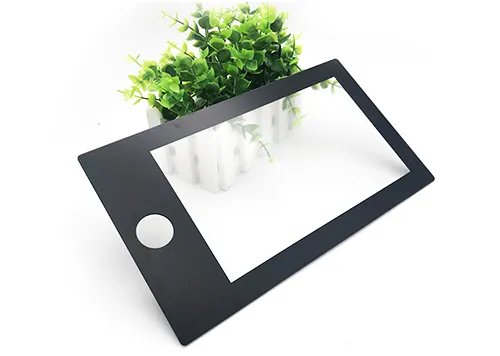
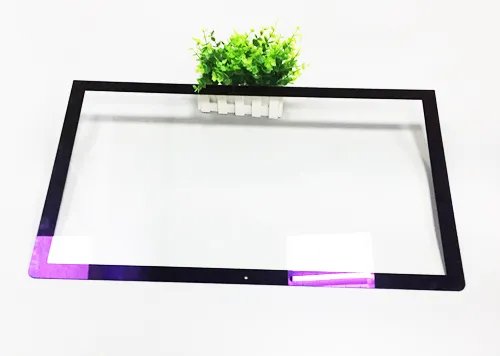
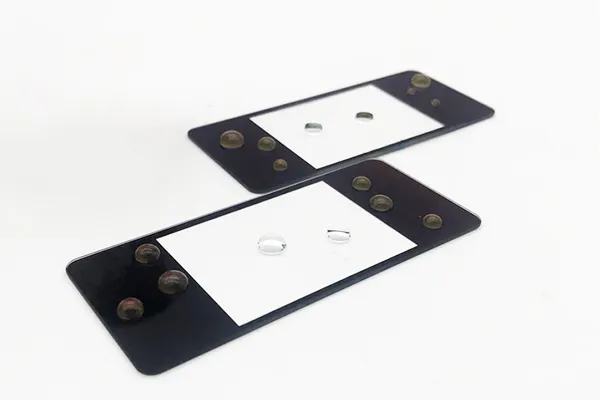
As a professional glass customization factory, we offer one-stop antibacterial glass panel solutions. Leveraging advanced CNC machining, glass coating, and strengthening technologies, we tailor glass panels to your exact medical device needs, including size, thickness, shape, and additional coatings, for seamless integration, optimized strength, and superior antimicrobial performance.
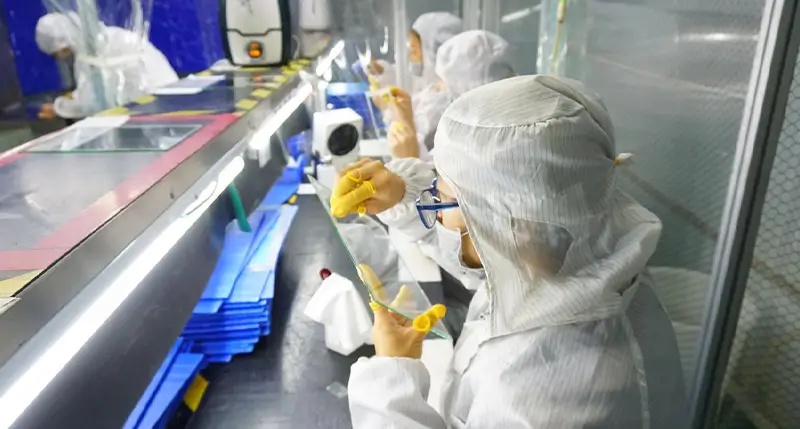
If you’re a medical equipment producer or healthcare provider, consider upgrading to our antibacterial glass panels, this mature technology is worth exploring! If there are any questions, send your inquiry or upload your design drawings, our engineers will respond with expert advice within 24 hours. Share your experiences or questions with us for further discussion.



 EN
 FR
 DE
 ES
 PT
 IT
 NL
 DA
 RU
 AR
 TR
 JA
 KO
 ID
 UK
 TH
 VI
 PL
 MS
 ET
 EL