

Contents
Introduction
Did you know? Antimicrobial glass is like a superhero shield for surfaces! It fights off germs like bacteria and fungi all by itself, making places like hospitals and kitchens safer. Imagine touching a phone screen or a window that cleans itself from yucky microbes – that’s what this special glass does. It can kill up to 99.9% of bacteria in just a few hours, helping stop sickness from spreading.
If you’re wondering how antimicrobial glass made it, here is the right place. This article aims to provide a clear and thorough overview of antimicrobial glass, explaining its composition, mechanisms, benefits, and practical uses to showcase its potential in applications, making it an ideal choice for enhancing safety and cleanliness.
What is Antimicrobial Glass?
Germs lurk on every surface we touch, causing sickness and worry. This problem grows in busy places like hospitals. Regular glass is smooth and easy to clean, but it doesn’t fight germs alone. Antimicrobial glass fights back by killing microbes on contact.
Antimicrobial glass is a specially treated glass material that inhibits or kills the growth of a wide range of microorganisms, including bacteria, fungi, molds and even some viruses. This type of glass typically functions by embedding anti-microbial agents (such as silver, copper or zinc ions) on the surface or inside the glass, providing long-lasting protection.
The main feature is its ability to kill 99.9% of bacteria. So, in cover glass industry, it is used on touchscreens, phone screen protectors, electronics displays and more.
How It’s Different from Regular Glass?
Regular glass allows germs to sit and multiply on its surface. Antimicrobial glass actively inhibits or kills them. Some variants are tougher too, like Gorilla Antimicrobial Glass from Corning, which combines chemical strengthening for durability.
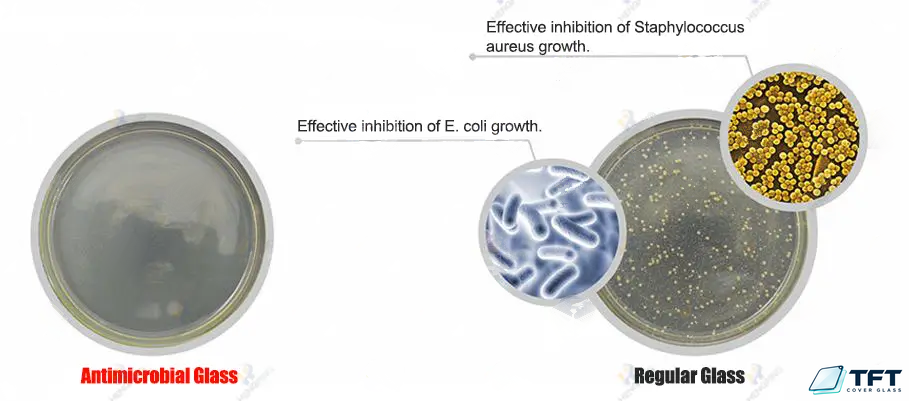
The key difference lies in the integration of antimicrobial agents, such as silver ions, into the glass matrix, which continuously inhibit bacterial, viral, and fungal growth without needing UV activation in many cases, significantly reducing cleaning frequency and achieving microbial reduction rates of up to 99.9%. In contrast, standard glass offers no such active defense, relying on its smooth, non-porous surface for easy sanitation but allowing pathogens to persist until manually removed.
History of Antimicrobial Glass
The origins of antimicrobial glass trace back to the late 19th century with explorations into the antimicrobial properties of metals like silver. In 1969, Larry L. Hench invented 45S5 Bioglass, marking the starting point for modern bioactive glass, which inhibits bacteria through ion release and promotes bone regeneration. During the 1970s-1980s, research expanded to glass ceramics and coatings for medical applications. In the 1990s, the sol-gel process was introduced, enhancing material activity.
In the 2000s, 45S5 received FDA approval for use in bone grafts and toothpaste (such as NovaMin). In 2014, Corning launched Antimicrobial Gorilla Glass, incorporating silver ions for touchscreen applications. In the 2020s, the technology has evolved toward borosilicate glass and architectural fields, driven by the COVID-19, integrating nanotechnology and smart coatings.
What Types of Antimicrobial Glass Exist?
The implementation of antimicrobial glass primarily involves introducing antimicrobial agents (such as silver ions, copper ions, or zinc ions) on the glass surface or within its structure to inhibit the growth of bacteria, fungi, and viruses. These technologies and processes can be divided into two main categories: surface coating and internal integration.
The following are common technologies and processes, based on industry standards and manufacturer practices. These methods ensure long-lasting antimicrobial effects, typically achieving >99% microbial inhibition rates while maintaining the glass’s transparency and durability.
Surface Coating Technologies
This type of process applies a thin film or coating to the glass after production, commonly used in electronic devices and architectural glass.
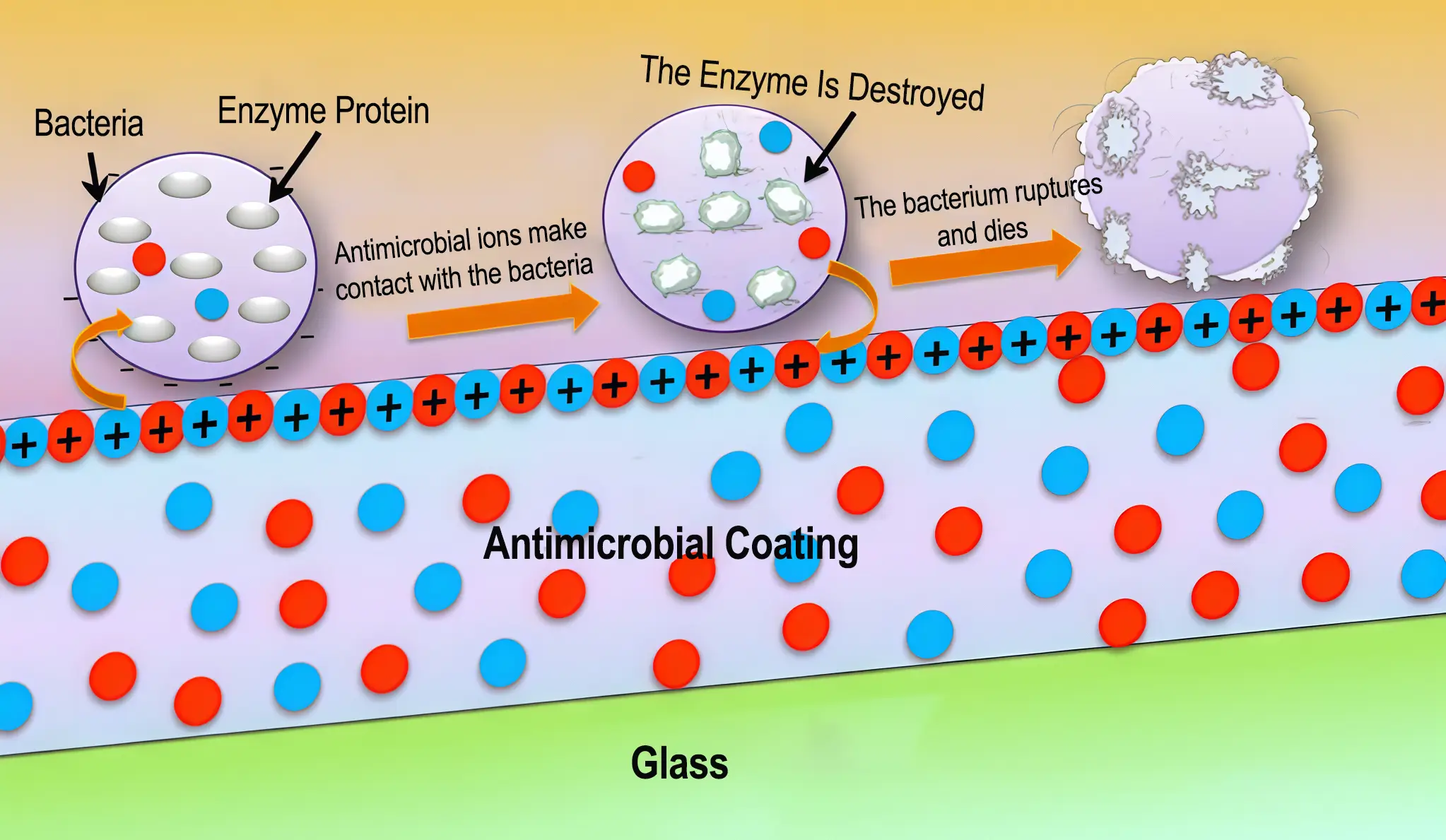
- Sol-Gel Method: Dissolve antimicrobial agents (such as silver nanoparticles) in a sol, then apply it to the glass surface, forming a gel layer through heating or drying. This method is simple and economical, suitable for large-area glass, providing uniform antimicrobial coatings.
- Burn-In Process: Apply coating materials (such as solutions containing silver ions) to the glass, then heat to about 600°C to permanently embed the coating into the glass surface. This high-temperature treatment ensures the coating is wear-resistant and cleanable, often used for permanent applications.
- Laser Texturing: Use high-energy laser beams to create microscopic textures on the glass surface while injecting antimicrobial agents. This alters surface roughness, improving antimicrobial efficiency, suitable for medical device glass.
- Other Coatings: Such as copper ion or zinc ion coatings, applied via spraying or immersion, providing broad-spectrum antimicrobial effects.
Plating Method vs. Coating Method for Antimicrobial Glass
For surface coating technology, the plating method and coating method represent two primary approaches to incorporating antimicrobial agents like silver or copper ions, with plating often favored for its superior durability and integration, while coating offers simplicity and cost-effectiveness.
- Plating Method: This predominant technique deposits antimicrobial agents onto the glass surface via processes such as physical vapor deposition (PVD) or chemical plating, creating a thin, robust film that bonds chemically with the glass. It excels in wear resistance, broad-spectrum efficacy, and longevity, making it ideal for high-end applications like hospital surfaces or smartphone screens (e.g., photocatalytic or nano-dispersion plating achieving >99% microbial inhibition).
- Coating Method: In contrast, this involves applying antimicrobial layers through spraying, dipping, or brushing, such as silica-based nano-silver coatings. It’s straightforward and economical, suitable for everyday uses like home or architectural glass (e.g., OSLO or liquid glass coatings that cure rapidly), though it may result in thicker layers with somewhat reduced long-term durability compared to plating.
When choosing between them, plating suits scenarios demanding precision and endurance (e.g., medical devices), while coating fits quick, budget-conscious projects (e.g., residential settings). Often, manufacturers combine both for optimized results.
Internal Integration Technologies
These processes directly incorporate antimicrobial agents into the glass body during manufacturing, offering more durable protection that is less prone to detachment.
- Ion-Exchange Method: During the glass melting or chemical strengthening phase, exchange silver ions or copper ions into the sodium ion positions in the glass, forming an antimicrobial layer. This method is common in chemically strengthened glass (such as Corning Gorilla Glass’s antimicrobial version), enhancing glass strength while adding antimicrobial functionality.
- Additive Incorporation: Add antimicrobial powders (such as LG’s antimicrobial glass powder) to the glass raw materials, uniformly distributing them through melting and forming processes. Suitable for plastic composites or glass products, maintaining high-efficiency antimicrobial properties with minimal additions.
- Chemical Strengthening with Antimicrobials: Combine ion exchange with antimicrobial agent injection by immersing in solutions containing potassium salts and silver ions to strengthen the glass while embedding antimicrobial components.
Other Emerging Technologies and Considerations
- Drug-Eluting Coatings: Used for medical glass, slowly releasing antimicrobial agents (such as antibiotics) to provide long-term protection, but may pose risks of drug resistance.
- Process Influencing Factors: These technologies must consider glass types (such as float glass or strengthened glass), costs, and environmental impacts (such as increased energy consumption from high-temperature processing). In actual production, multiple processes are often combined to optimize performance.
- Application Examples: Such as hospital windows using silver ion-embedded glass, and mobile phone screens adopting coating technologies.
Where Can You Find Antimicrobial Glass in Daily Life?
Antimicrobial glass finds extensive application across various sectors, include food processing, healthcare facilities, electronics, construction, and more.
Food and Beverage Industry
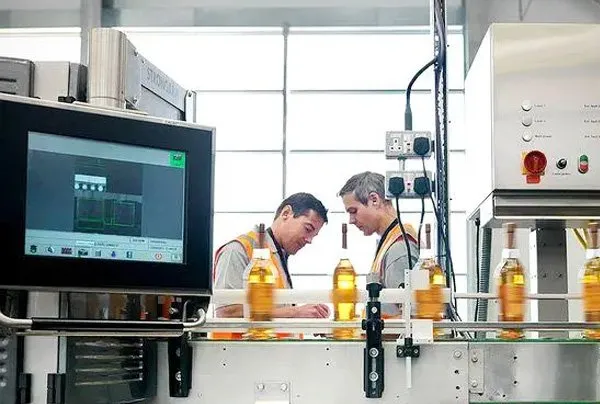
The food and beverage sector, valued over USD 1.5 trillion, is increasingly adopting antimicrobial glass to meet safety regulations in processing facilities and display cabinets. This application helps in preventing microbial contamination in food preparation and storage environments, thereby protecting consumers and workers alike.
Healthcare Sector
- Hospitals: The healthcare industry is the largest market for antimicrobial glass, holding approximately 47.9% of the market share in 2024. In hospitals, antimicrobial glass is utilized in critical areas such as operating rooms, patient wards, and intensive care units, where the risk of healthcare-associated infections (HAIs) is particularly high. The glass is employed in surfaces like windows, doors, partitions, and medical equipment, playing a crucial role in infection control by maintaining sterile environments.
- Clinics and Laboratories: Clinics also significantly utilize antimicrobial glass, particularly in examination rooms and treatment areas, to ensure a clean and safe environment for patients and healthcare providers. Additionally, laboratories leverage this technology in various applications to prevent contamination and maintain safety standards.
Consumer Electronics
Antimicrobial glass is gaining traction in the consumer electronics market, where it is incorporated into touch-based devices like smartphones and tablets. The increasing awareness of hygiene has driven demand for antimicrobial coatings in these products, as they help mitigate the spread of germs and bacteria. For example, Newline Interactive has developed touchscreen technology featuring antimicrobial coatings that effectively combat common germs.
Construction and Green Building
In the construction sector, particularly in green building projects, antimicrobial glass is valued for its hygiene and sustainability benefits. The use of this material is rising within the USD 2 trillion U.S. construction industry, highlighting its role in promoting healthier indoor environments.
Other Applications
Beyond healthcare and food industries, antimicrobial glass is also utilized in a variety of other applications, including pharmaceutical packaging, laboratory equipment, and even household items like kitchenware and bathroom fixtures. Its versatility enables it to be used in items such as cutting boards, countertops, and optical lenses, further enhancing safety across multiple settings.
What Benefits Does Antimicrobial Glass Offer?
Antimicrobial glass offers a variety of advantages that cater to both healthcare and general hygiene needs.
Benefits of antimicrobial glass include reducing infections, long-lasting protection, improved hygiene, durability, and cost savings over time.
Enhanced Hygiene and Infection Control
One of the primary benefits of antimicrobial glass is its ability to reduce microbial contamination on surfaces, which is critical in healthcare settings. The introduction of antimicrobial coatings can significantly minimize the risk of infection by complementing standard hygiene procedures, thus supporting existing cleaning protocols in hospitals and clinics. This reduction in microbial presence helps combat the spread of hospital-acquired infections, which are a major concern in medical environments.
Safety and Environmental Considerations
Antimicrobial glass is designed with safety in mind, particularly for applications that come into contact with humans. Many products are formulated to be free from heavy metals and other toxic substances, ensuring that they are generally recognized as safe for use in healthcare and cosmetic applications . Additionally, the devel-opment of eco-friendly coatings is becoming a significant trend, with manufacturers increasingly opting for biodegradable or less toxic materials, such as plant-based compounds or silver nanoparticles, to enhance antibacterial effectiveness while minimizing ecological impact .
Economic Impact
The economic implications of antimicrobial glass are notable, particularly in low-and middle-income countries (LMICs). Strengthening laboratory capacity and utiliz-ing antimicrobial technologies can yield significant economic benefits by improving health outcomes and reducing the healthcare burden associated with antimicrobi-al-resistant infections . Evidence shows that antimicrobial resistance leads to longer hospital stays, increased treatment costs, and heightened mortality rates, thus emphasizing the need for effective solutions such as antimicrobial glass .
Adaptability Across Various Sectors
Beyond healthcare, the benefits of antimicrobial glass extend into various industries, including food and beverage, military, and hospitality. The growing health and hy-giene awareness, exacerbated by global health challenges such as the COVID-19 pandemic, has led to a heightened demand for materials that enhance cleanliness across different sectors . Antimicrobial glass can be integrated into architectural solutions, public spaces, and high-touch surfaces, promoting safer environments and reducing the transmission of harmful pathogens .
What Are the Potential Drawbacks of Antimicrobial Glass?
Even though antimicrobial glass is awesome, it has some downsides. It’s not perfect, and there are things to think about before using it.
Challenges of antimicrobial glass include high cost, potential wear over time, limited effectiveness against all microbes, and regulatory hurdles.
Cost and Affordability Issues
The primary constraints related to cost and affordability are most evident in low- and middle-income countries (LMICs), where systemic resource scarcity directly limits the practical application of antimicrobial glass. These resource challenges manifest as inadequate laboratory infrastructure and poor access to high-quality diagnostics, which are essential components for monitoring the effectiveness and continued utility of such materials within weaker health systems.
Effectiveness and Duration
The sustained effectiveness of antimicrobial glass is highly susceptible to environmental conditions. Specifically, exposure to high temperatures and humidity can negatively degrade the quality and efficacy of the materials, especially when stringent storage protocols are required. Furthermore, these environmental challenges directly complicate the supply chain, leading to potential delays and product degradation, which compromises efficacy critical for sensitive medical applications.
Regulatory and Implementation Hurdles
Implementing antimicrobial glass faces significant regulatory and methodological hurdles. Studies assessing its efficacy are often plagued by selection bias and information bias, coupled with limited control over confounding socio-demographic variables, leading to unreliable conclusions about real-world performance. In many regions, weak health system governance—characterized by insufficient funding, a lack of experienced personnel, and inadequate regulatory frameworks—hinders proper implementation and long-term monitoring. Moreover, a general lack of standardized techniques and clinical guidelines makes drawing generalizable conclusions about product efficacy across different settings extremely difficult.
Other Limitations
Beyond efficacy and governance, data management and methodological rigor present substantial challenges. The quality of collected data on performance may be compromised by poor methodologies and inadequate interpretation and analysis. Additionally, the limited representativeness of study samples, particularly in smaller markets within LMICs, means that findings may not accurately reflect the local burden of antimicrobial resistance (AMR) or the true performance of the glass, consequently failing to inform health policy effectively.
What is the Market Relevance of Antimicrobial Glass Today?
The market for antimicrobial glass is booming! It’s like a big party where everyone wants in because it keeps things clean and safe. In 2024, the global antibacterial glass market was worth about USD 289 million, and experts say it will grow to over USD 525 million by 2033. That’s a lot of money – like stacking dollar bills as high as a skyscraper!
Why is it so relevant? People are more aware of health now. After COVID-19, everyone wants surfaces that fight germs. This glass is used in hospitals, food places, and electronics. The market is growing at about 6-7% each year. That’s fast!
Why the Market is Growing
One big reason is health care. Hospitals use this glass to stop infections. In the US and Europe, rules say places must be super clean, so they buy more antimicrobial glass. In Asia, factories are making more of it because demand is high.
Another reason: Tech gadgets. Phones and tablets get touched a lot, so companies like LG and Corning add antimicrobial features. LG’s antimicrobial glass powder is used in plastics too.
Key Numbers and Stats
- Market Size: From USD 289 million in 2024 to USD 525 million by 2033.
- Growth Rate: About 6.17% CAGR (that’s how fast it grows each year).
- Big Users: Health care takes the biggest share, then electronics and buildings.
A report from IMARC Group says this growth comes from more hospitals and clean tech needs.
Key Players of Antimicrobial Glass
| Company | Headquarters | Key Strengths/Products |
| Corning Incorporated | USA | Leaders in antimicrobial Gorilla Glass for electronics; integrates silver ions for broad-spectrum protection. |
| AGC Inc. | Japan | Strong in architectural and automotive glass; offers SaniTise™ with photocatalytic coatings for hygiene-focused applications. |
| Saint-Gobain Group | France | Global powerhouse in building materials; provides Bioclean™ antibacterial glass for public spaces and hospitals. |
| Nippon Sheet Glass Co., Ltd. (NSG Group) | Japan | Focuses on Pilkington SaniTise™ for self-cleaning and antimicrobial properties in construction. |
| Schott AG | Germany | Specializes in specialty glass for medical and lab use; emphasizes durable, ion-embedded antimicrobial solutions. |
Corning leads innovation in antimicrobial glass with Antimicrobial Gorilla Glass, revolutionizing touchscreen hygiene by blending durability, microbial resistance, and optical clarity in consumer electronics. AGC and Saint-Gobain dominate architecture via scale and supply chains for reliable large-scale projects like hospitals, but need more eco-friendly focus.
Emerging firms like Kastus offer virus-specific tech with disruptive potential, yet face R&D challenges from giants. The $338 million market in 2025 is Asian-heavy, with Japanese players like NSG and Ishizuka excelling in powders and coatings; I predict consolidation to tackle costs and regulations, plus integration with smart, self-cleaning IoT glass.
Who Benefits from This Market?
Everyone benefits from the antimicrobial glass market, from healthcare facilities reducing hospital-acquired infections through hygienic surfaces to consumers enjoying safer touchscreens in electronics and residential settings. Industries like hospitality, retail, education, banking, food and beverage, and military also gain, with enhanced microbial resistance in vehicles, equipment, and public spaces promoting preventive health and durability.
What Future Trends Are Emerging in Antimicrobial Glass?
Antimicrobial glass is evolving toward sustainability, advanced materials, and wider uses, based on recent market insights for eco-friendly hygiene solutions.
Eco-Friendly Alternatives
Silver leads for killing 99% of bacteria (e.g., E. coli, S. aureus), but alternatives like copper, zinc oxide, titanium dioxide, and manganese are rising. They disrupt microbes or create self-cleaning ROS, reducing toxic biocides.
Nanotech and Smart Surfaces
Nano-particles improve dispersion and longevity in coatings/glass. Features include light-activated photocatalysis (e.g., TiO2) and sensors for real-time monitoring in busy areas.
Broader Applications
Beyond hospitals (reducing HAIs on doors/equipment), it’s expanding to electronics (phones/tablets), food processing (counters/packaging), military (field setups), public spaces (schools/airports), cosmetics, and homes.
Sustainability and Regulations
Focus on low-toxicity hybrids and durable materials to meet strict healthcare/food rules, boosted by growth in emerging markets.
Regional Expansion
Asia Pacific leads growth via urbanization and R&D in China/India; Europe/North America dominate via spending, with new opportunities in Latin America through partnerships in building/electronics.
Related Questions
How Long Does An Antimicrobial Coating Last?
Antimicrobial coatings on glass typically last from 90 days to several years, depending on the type and application. Surface-applied coatings, like those using silver ions or TiO2, often remain effective for 6 months to 3 years under normal use, while integrated ionic silver in glass, such as Corning’s Antimicrobial Gorilla Glass, retains properties for the device’s lifetime without degradation.
What’s The Difference Between Antimicrobial and Antibacterial Glass (Antimicrobial Glass Vs. Antibacterial Glass)?
Antimicrobial glass inhibits a broad range of microorganisms, including bacteria, viruses, fungi, and protozoans, whereas antibacterial glass targets only bacteria. This broader spectrum makes antimicrobial glass more versatile for hygiene applications, though both often use similar agents like silver ions.
Can Antimicrobial Glass be Customized?
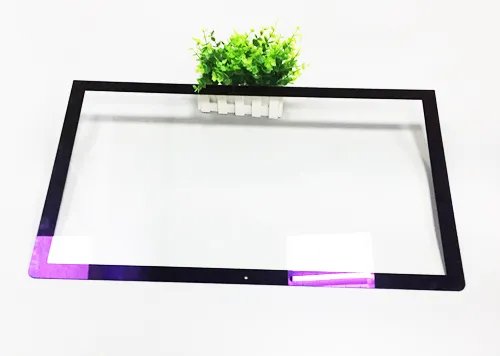
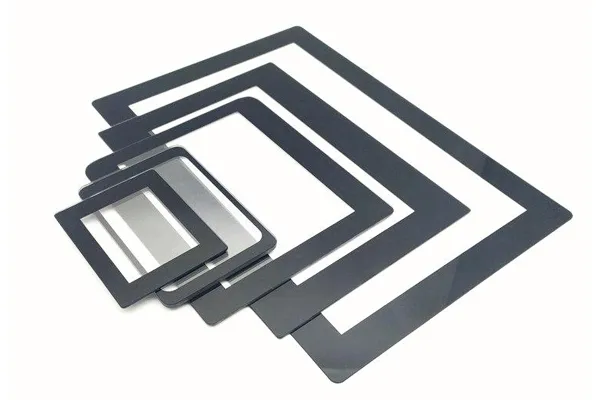
Yes, antimicrobial glass can be customized in shapes, sizes, thicknesses, finishes, surface treatment, printing and bending to fit specific applications, such as medical devices, displays, or architectural elements, with manufacturers like TFT Cover Glass’s offering tailored options including etched or tempered variants.
Can Antimicrobial Glass be Functionally Coated with AR and AF Coating?
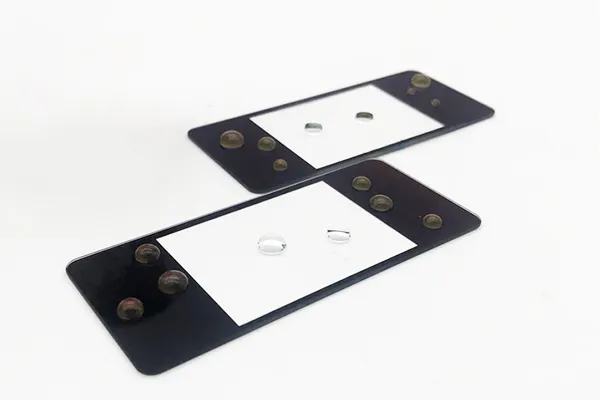
Yes, antimicrobial glass can be functionally coated with anti-reflective (AR) and anti-fingerprint (AF) layers, integrating antimicrobial, AR for reduced screen reflectivity and clearer viewing, and AF hydrophobic anti-fouling with a water contact angle ≥110° for enhanced durability and cleanliness.
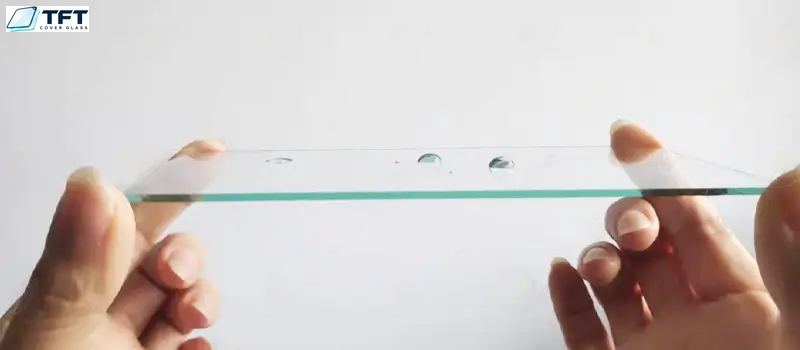
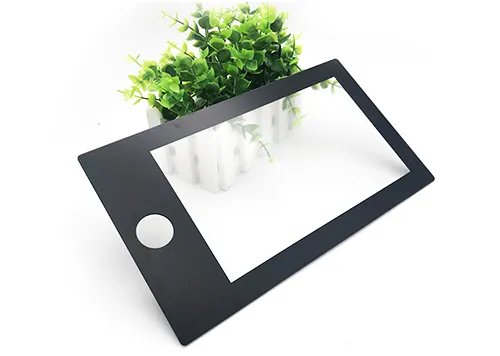
This multifunctional design, emerging in 2025 trends, applies to electronic touch screen cover plates or tempered glass protective films as a cutting-edge high-end product.
Conclusion
antimicrobial glass is a revolutionary innovation in the cover glass industry, integrating agents like silver and copper ions into durable substrates to effectively fight microbes and boost hygiene in various applications. From its origins in bioactive glass to current uses in smartphones, hospitals, and architecture, it delivers key benefits like lower infection risks, enduring protection, and reduced cleaning costs. Despite hurdles such as initial expenses and regulations, its 99.9% bacteria elimination makes it vital for health-focused settings, fueling market expansion from USD 289 million in 2024 to USD 525 million by 2033.
Moving forward, antimicrobial glass in the cover glass sector holds strong promise, with trends in nanotechnology, eco-friendly options, and multifunctional coatings like AR and AF enhancing versatility and sustainability. As hygiene awareness grows post-COVID-19, adopting this technology ensures compliance with safety standards and unlocks customization in consumer electronics. Companies like TFT Cover Glass provide tailored antimicrobial glass solutions for cover glass, helping businesses and consumers achieve safer surfaces and drive industry innovation.



 EN
 FR
 DE
 ES
 PT
 IT
 NL
 DA
 RU
 AR
 TR
 JA
 KO
 ID
 UK
 TH
 VI
 PL
 MS
 ET
 EL