
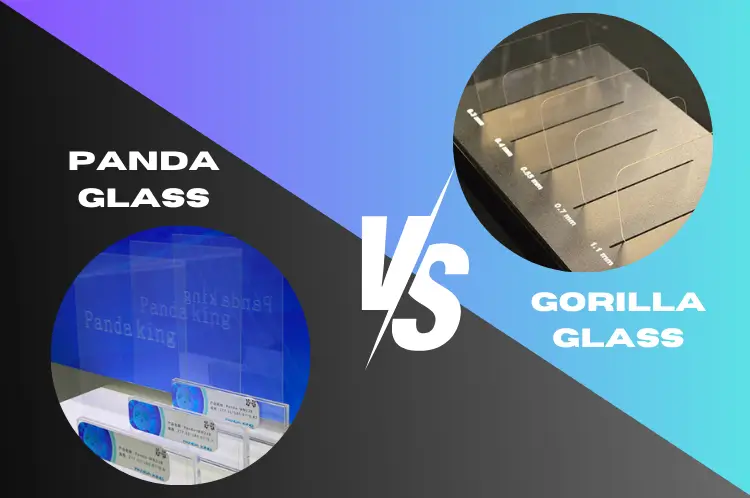
In an era dominated by touchscreens or displays, the silent guardian of our digital windows, cover glass, plays a pivotal role. From smartphones and tablets to wearables and even automotive displays, the resilience and clarity of this transparent shield are paramount. Two names frequently surface in discussions about premium cover glass: Panda Glass and Gorilla Glass. While Gorilla Glass, by Corning, has long been the household name, Panda Glass, primarily associated with Tunghsu Group and other manufacturers, has emerged as a formidable contender.
This article offers a comprehensive examination, exploring their technologies, performance metrics, market positioning, and what these differences mean for both device manufacturers and end-users. We aim to provide you with the in-depth knowledge to understand the nuances of these advanced cover glass materials and appreciate the science that keeps our screens safe.
Understanding Cover Glass: More Than Just a Pane
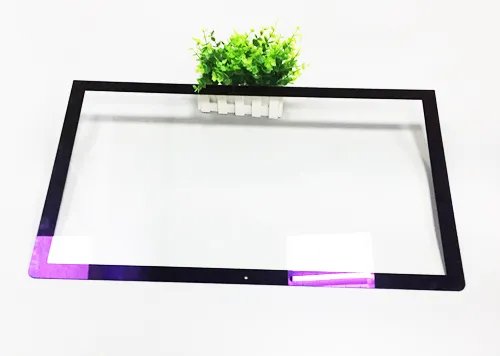
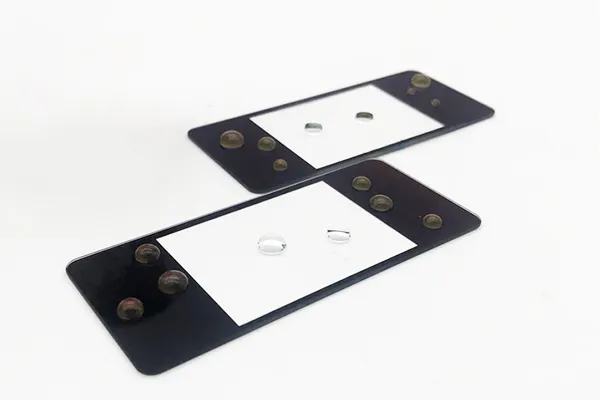
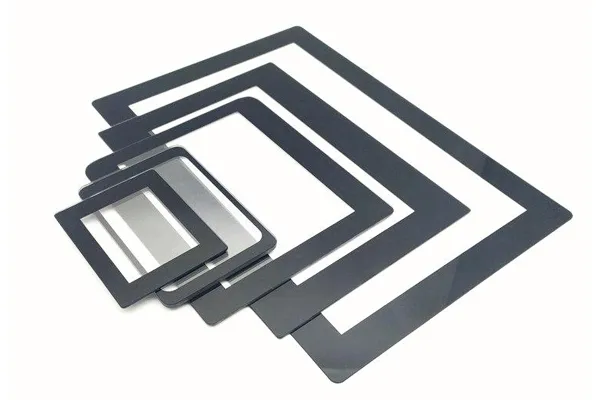
Before we compare Panda Glass and Gorilla Glass, it’s essential to grasp what “cover glass” truly entails in the context of modern electronics. It’s not your average window pane. Device cover glass is a highly engineered aluminosilicate glass or soda lime glass, specifically designed for:
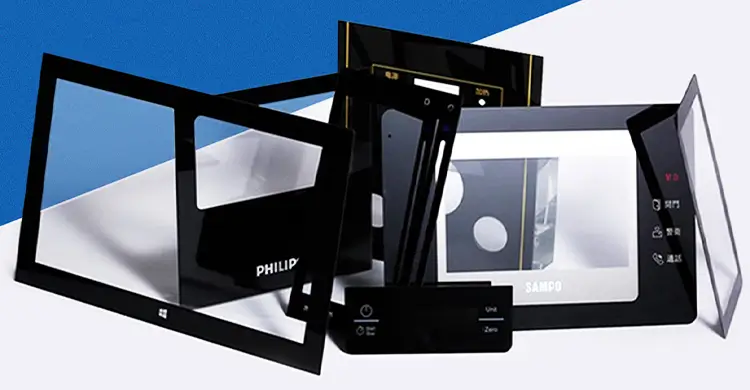
- Damage Resistance: Superior ability to withstand scratches, drops, and impacts.
- Optical Clarity: Ensuring vibrant display quality without distortion.
- Touch Sensitivity: Maintaining flawless touch responsiveness.
- Thinness and Lightness: Contributing to sleek and lightweight device designs.
The magic behind this strength often lies in a chemical strengthening process called ion exchange. In this process, larger ions (typically potassium) are “stuffed” into the glass surface, replacing smaller ions (typically sodium). This creates a layer of compressive stress on the glass surface, making it significantly more resistant to cracks and propagation of existing flaws.
Introducing the Titans: Gorilla Glass and Panda Glass
Let’s formally meet our two main contenders.
Gorilla Glass: The Reigning Champion by Corning
Corning Incorporated, a materials science giant with over 170 years of innovation, is the force behind Gorilla Glass. Since its debut on the original iPhone in 2007, Gorilla Glass has become almost synonymous with durable smartphone screens.
- Key Strengths of Corning® Gorilla® Glass
- Pioneering Technology: Corning continuously refines its ion-exchange process and glass compositions.
- Extensive R&D: Significant investment in research leads to iterative improvements with each generation (e.g., Gorilla Glass 3, 5, Victus, Victus 2, Armor).
- Brand Recognition & Trust: Decades of proven performance and strong marketing have built immense consumer and manufacturer trust.
- Widespread Adoption: Used by a vast majority of leading smartphone manufacturers.
Gorilla Glass has evolved significantly, with newer versions like Gorilla Glass Victus and Victus 2 focusing on dramatically improved drop performance, even onto rough surfaces like concrete, while maintaining high scratch resistance. Their latest innovation, Gorilla Glass Armor (seen on the Samsung Galaxy S24 Ultra), takes it a step further by significantly reducing reflections for better screen visibility, alongside impressive durability.
Panda Glass: The Ascending Challenger
Panda Glass is the brand name for aluminosilicate cover glass primarily manufactured by the China-based Tunghsu Group. This specific branding, Panda Glass, is directly associated with Tunghsu’s product line of chemically strengthened glass, which has gained considerable traction as a significant alternative in the cover glass market.
- Key Strengths of Panda Glass:
- Competitive Performance: Panda Glass offers comparable scratch resistance and impact protection to many Gorilla Glass versions, especially older ones.
- Cost-Effectiveness: Generally positioned as a more budget-friendly alternative, making it attractive for mid-range and budget devices.
- Growing Market Presence: Increasingly adopted by various device manufacturers, particularly those looking to optimize bill-of-materials (BOM) costs.
- Domestic Supply Chain (China): For Chinese manufacturers, Panda Glass can offer supply chain advantages.
Panda Glass also undergoes a chemical strengthening process similar to Gorilla Glass. While they might not always match the very latest advanced performance of Corning’s newest releases (which often come with a premium price tag), they provide a robust and reliable solution that meets the demands of a vast segment of the market.
It is worth noting that other prominent manufacturers also produce high-quality aluminosilicate glass often considered alongside Panda Glass when evaluating alternatives to Gorilla Glass. These include Japan’s NEG (Nippon Electric Glass) with their Dinorex® line and Germany’s Schott with their Xensation® series. While these materials share similar core properties and strengthening processes, and are sometimes colloquially grouped by users or industry observers, it’s important to distinguish Panda Glass as Tunghsu’s specific offering.
Panda Glass Vs. Gorilla Glass: A Detailed Analysis
Now, let’s break down the comparison across key performance indicators and characteristics that matter most to users and manufacturers.
| Feature | Gorilla Glass (General, with emphasis on newer gens) | Panda Glass (General) | Nuances & Considerations |
| Manufacturer | Corning (USA) | Tunghsu Group (China) | Corning has a long, specialized history. Tunghsu is a major player in China’s display industry. |
| Drop Resistance | Very Good to Excellent (Victus series excels) | Good to Very Good | Newer Gorilla Glass versions (Victus, Victus 2) are specifically engineered for superior drop performance from greater heights and onto rougher surfaces. |
| Scratch Resistance | Very Good to Excellent | Good to Very Good | Both use ion-exchange. Performance can be similar between comparable generations or price points. Gorilla Glass Armor adds anti-reflective properties. |
| Optical Clarity | Excellent | Excellent | Both provide high transparency essential for display quality. Gorilla Glass Armor significantly reduces glare. |
| Touch Sensitivity | Excellent | Excellent | No significant difference in preserving touch screen responsiveness. |
| Thickness Options | Wide range, including very thin options | Competitive range | Both can be manufactured in various thicknesses to suit device design needs. |
| Cost | Higher | Generally Lower | This is a key differentiator. Panda often provides a better cost-performance ratio for budget/mid-range. |
| Brand Recognition | Extremely High | Moderate, Growing | Gorilla Glass is a powerful consumer-facing brand. Panda is more known B2B but gaining traction. |
| Market Availability | Widely available, used by most major OEMs | Growing, popular with many Chinese OEMs & others | Gorilla Glass has a more established global supply chain. |
| R&D and Innovation | Industry-leading, frequent new generations | Active R&D, focused on value and performance | Corning often sets the benchmark with new innovations. Panda focuses on delivering strong, reliable performance at competitive price points. |
A Closer Look at Durability: Scratch vs. Drop
It’s crucial to understand that scratch resistance and drop resistance (or impact strength) are related but distinct properties.
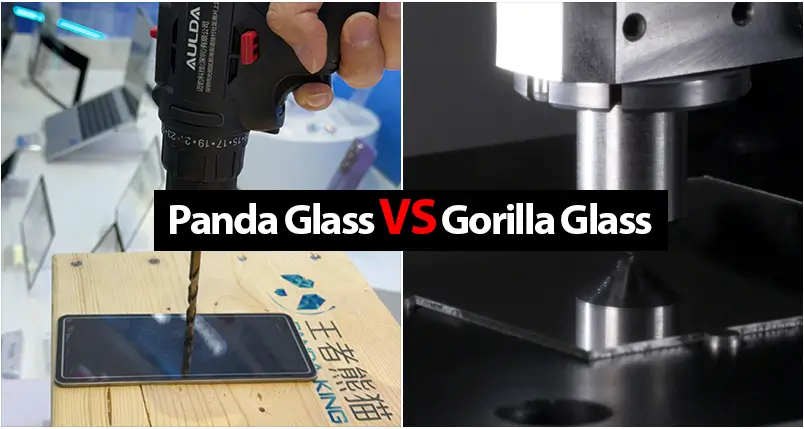
- Scratch Resistance: This is primarily determined by the surface hardness of the glass. Most high-quality aluminosilicate glasses, including both Panda and Gorilla, perform well against everyday objects like keys and coins. The Mohs scale of hardness is a common reference, though not perfectly applicable to engineered glass. Sand and other hard mineral particulates are the real enemies here.
- Drop Resistance: This relates to the glass’s ability to withstand impacts without fracturing. It’s heavily influenced by the depth and magnitude of the compressive stress layer created during ion exchange, as well as the inherent toughness of the glass composition itself. This is where newer Gorilla Glass generations like Victus and Victus 2 have shown significant advancements, focusing on surviving drops from greater heights onto unforgiving surfaces like concrete.
While lab tests provide standardized metrics (e.g., Knoop hardness, Vickers hardness, drop tower tests), real-world durability can be influenced by:
- Device Design: The way the glass is integrated into the phone’s chassis (bezels, bumpers) significantly impacts its survivability.
- Impact Angle and Surface: A direct perpendicular hit on a hard, uneven surface is worse than a glancing blow on a softer one.
- Glass Thickness: Thicker glass is generally more robust but adds to device bulk.
The Cost Equation: A Major Factor for Manufacturers
For Original Equipment Manufacturers (OEMs), the Bill of Materials (BOM) is a critical consideration. Cover glass is one component among many, and its cost can influence the final retail price of a device.
- Gorilla Glass: Often commands a premium due to its brand equity, extensive R&D, and leading-edge performance. Top-tier flagship devices frequently feature the latest Gorilla Glass generations.
- Panda Glass: Offers a compelling value proposition, providing robust protection at a more accessible price point. This makes it an attractive option for mid-range smartphones, budget-friendly devices, and even some higher-tier models where cost optimization is a priority without significantly compromising on protection for its target market.
This cost difference allows manufacturers to allocate budget to other features or offer devices at more competitive price points.
The Science: What Makes Them Strong? A Refresher on Ion Exchange
Both Panda Glass and Gorilla Glass owe their remarkable strength primarily to the ion-exchange chemical strengthening process. Let’s briefly revisit this:
- Base Glass Composition: The process starts with a specially formulated aluminosilicate glass. This type of glass is chosen for its suitability for ion exchange and its inherent mechanical properties.
- Molten Salt Bath: The glass is submerged in a bath of molten potassium salt (typically potassium nitrate) at high temperatures (around 400°C or 750°F).
- Ionic Swap: The glass contains smaller sodium ions (Na+). In the molten salt bath, these smaller sodium ions near the surface of the glass migrate out, and larger potassium ions (K+) from the salt bath migrate in to take their place.
- Compressive Stress Layer: Because potassium ions are larger than sodium ions, they “stuff” into the sites vacated by the sodium ions. As the glass cools, these larger ions create a high degree of compressive stress on the surface of the glass.
- Crack Resistance: Glass typically fails due to tensile stress, which initiates and propagates cracks from surface flaws. The compressive stress layer effectively counteracts any tensile stress applied to the surface, making it much harder for cracks to form or grow. Think of it as pre-loading the surface to resist damage.
The exact parameters of this process – the specific glass composition, the temperature and duration of the salt bath, and any post-processing treatments – are proprietary secrets fiercely guarded by manufacturers like Corning and Tunghsu. These details are what differentiate their products and lead to variations in performance.
Real-World Implications: Selecting the Right Glass Across Diverse Industries
For device manufacturers, system integrators, and even discerning end-users, understanding the cover glass choice, be it a specific Gorilla Glass iteration, Panda Glass, or another chemically strengthened solution, is crucial. While the prominent branding of Gorilla Glass on flagship smartphones captures public attention, the application of these advanced aluminosilicate glasses extends far beyond personal electronics. As a professional glass panel manufacturer, we see these materials as foundational components driving innovation and reliability across a multitude of sectors. The selection process often hinges on a careful balance of performance requirements, environmental challenges, and overall system cost.
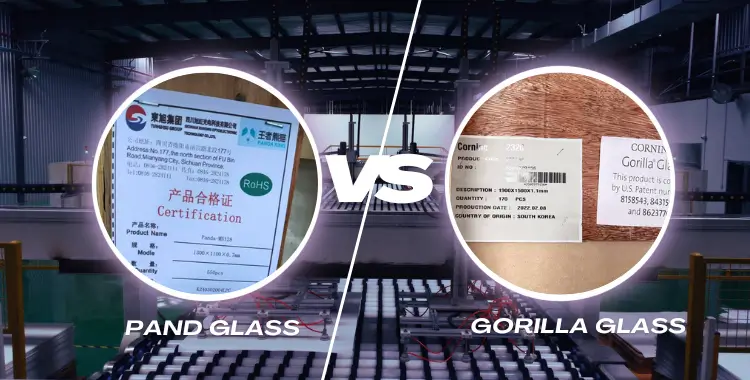
Here’s how the choice between options like Gorilla Glass and Panda Glass plays out in some key industries we serve:
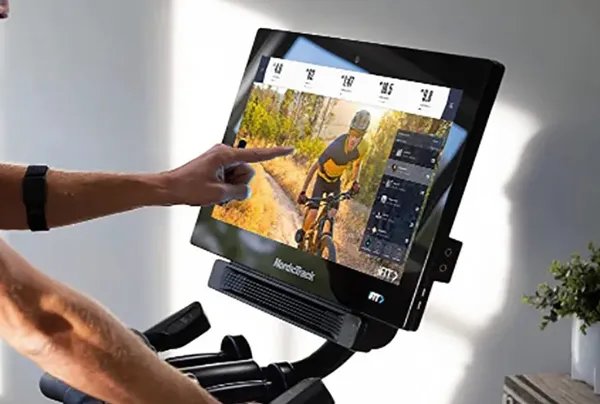
- Smart Tablets and High-End Electronic Products: Similar to flagship phones, premium tablets, high-performance laptops, and specialized electronic gadgets often specify the latest Gorilla Glass versions. This ensures top-tier scratch and impact resistance, supporting sleek designs and demanding user expectations. However, for more mainstream or cost-sensitive models within this category, Panda Glass can offer a highly competitive alternative, delivering robust protection without significantly impacting the final product cost.
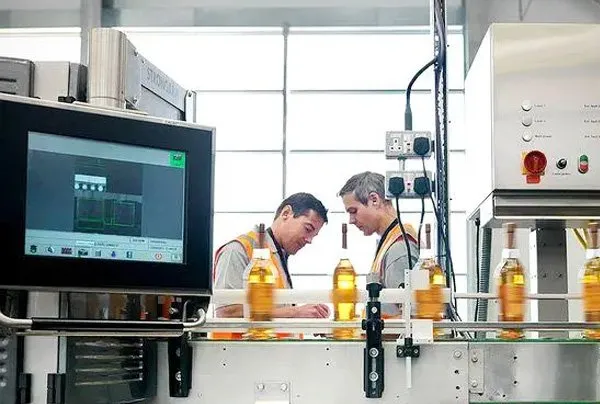
- Industrial Control and Instrumentation: Reliability and durability are paramount in these environments. Touchscreens on Human-Machine Interfaces (HMIs), process controllers, scientific instruments, and field testing equipment must withstand potential impacts, vibrations, and sometimes exposure to dust or chemicals. The choice here often leans towards proven durability and optical clarity. While high-end Gorilla Glass might be selected for extremely demanding applications, robust grades of Panda Glass or similar aluminosilicates are widely adopted for their excellent cost-performance ratio, ensuring long operational life in challenging conditions.
- Medical Devices: The medical field demands exceptional clarity for diagnostics, unwavering reliability, and surfaces that can withstand frequent cleaning with harsh disinfectants. Displays on patient monitoring systems, diagnostic imaging equipment, and portable medical instruments rely on cover glass that offers superior durability and optical performance. Here, the specific grade and surface treatments (e.g., anti-microbial, anti-reflective) become critical. Both premium Gorilla Glass and high-quality Panda Glass can be engineered to meet these stringent requirements, with selection often driven by specific device certifications and overall system design.
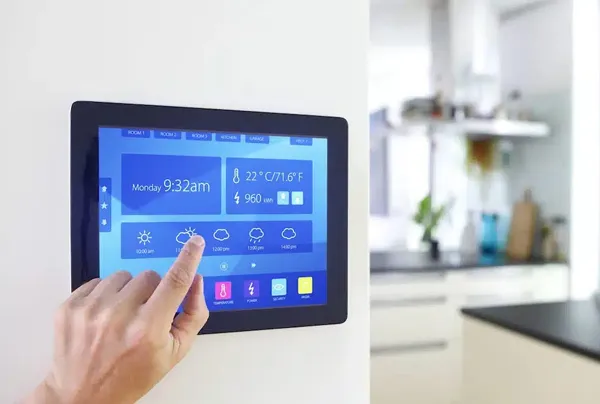
- Smart Home and Commercial Displays: Interactive displays are increasingly integrated into smart appliances, home automation hubs, public information kiosks, and point-of-sale (POS) systems. These applications require cover glass that is resilient to daily wear and tear, offers good touch sensitivity, and maintains aesthetic appeal. Panda Glass is a strong contender in this space due to its favorable economics for volume production, while still providing ample protection for typical use scenarios. For high-traffic commercial displays, enhanced durability versions of either glass might be considered.
- Automotive Displays: The automotive industry is a significant and growing market for advanced cover glass. Infotainment systems, digital instrument clusters, and even heads-up displays (HUDs) utilize large, often custom-shaped glass panels. These must endure extreme temperature fluctuations, UV exposure, and meet rigorous automotive safety standards for impact resistance. Both Corning (with specific automotive-grade Gorilla Glass) and other specialized glass manufacturers, including those producing high-strength aluminosilicates comparable to Panda Glass, supply this demanding sector, with innovation focused on formability, anti-glare, and enhanced connectivity.
Does the specific brand always dictate suitability for these diverse applications?
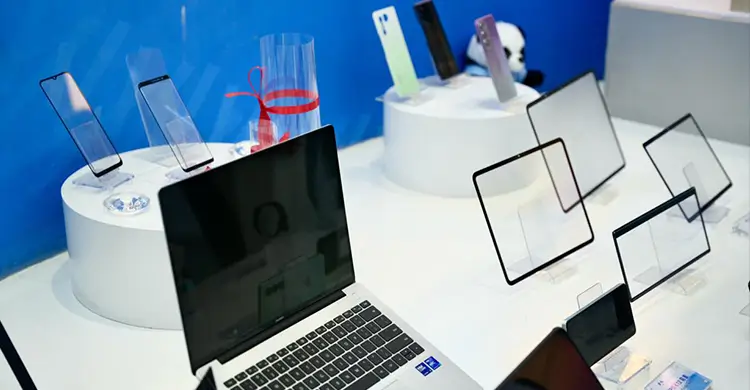
While the latest generations from leading brands like Corning often introduce benchmark-setting performance, particularly in impact resistance, the “best” glass is always context-dependent. For a vast range of industrial, medical, commercial, and consumer applications, a well-engineered solution using Panda Glass or other high-quality aluminosilicates can deliver optimal value and perfectly adequate, fit-for-purpose durability.
The critical factor for device manufacturers is a thorough understanding of the application’s specific needs:
- What level of impact and scratch resistance is truly necessary?
- What are the optical requirements (clarity, viewing angles, reflectivity)?
- Are there specific environmental challenges (temperature, chemicals, moisture)?
- What are the overall project budget constraints?
As experienced glass panel providers, we guide our clients through these considerations, ensuring the selected cover glass solution aligns perfectly with their product’s intended use case, performance targets, and commercial objectives. It’s important to remember that no cover glass is indestructible. Proper integration into the device housing, bezel design, and, where appropriate, the use of additional protective layers or coatings, remain crucial for maximizing the longevity and resilience of any display unit.
The Evolving Landscape and Future Trends
The cover glass industry is anything but static. Innovation continues at a rapid pace:
- Stronger and More Scratch-Resistant Formulations: Both Corning and its competitors are constantly researching new glass compositions and refining strengthening processes.
- Foldable Displays: Cover glass for foldable phones (like Ultra-Thin Glass or UTG) presents unique challenges, requiring extreme flexibility alongside durability. This is a specialized area where Corning and Schott are key players.
- Anti-Reflective and Anti-Microbial Properties: We’re seeing more glass with added functionalities, like Gorilla Glass Armor’s anti-reflective coating for improved readability or coatings that inhibit microbial growth.
- Sustainability: Manufacturers are also exploring more sustainable production methods and recyclable materials.
- Alternative Materials: While aluminosilicate glass dominates, research into materials like sapphire crystal (extremely scratch-resistant but more brittle and expensive) and transparent ceramics continues for niche applications.
Conclusion
As we’ve explored, the choice between advanced cover glasses like Panda Glass and Gorilla Glass extends far beyond simple brand preference. The optimal selection is deeply rooted in the specific application requirements, performance expectations across diverse industries, and strategic cost considerations. While Gorilla Glass continues to push the boundaries of durability, particularly for premium consumer electronics, Panda Glass and other comparable aluminosilicates offer compelling, high-value solutions for a vast array of industrial, commercial, and consumer products. The key takeaway is the importance of a nuanced evaluation, ideally in consultation with materials specialists, to ensure the chosen cover glass truly enhances the final product’s value and resilience.



 EN
 FR
 DE
 ES
 PT
 IT
 NL
 DA
 RU
 AR
 TR
 JA
 KO
 ID
 UK
 TH
 VI
 PL
 MS
 ET
 EL