Summary
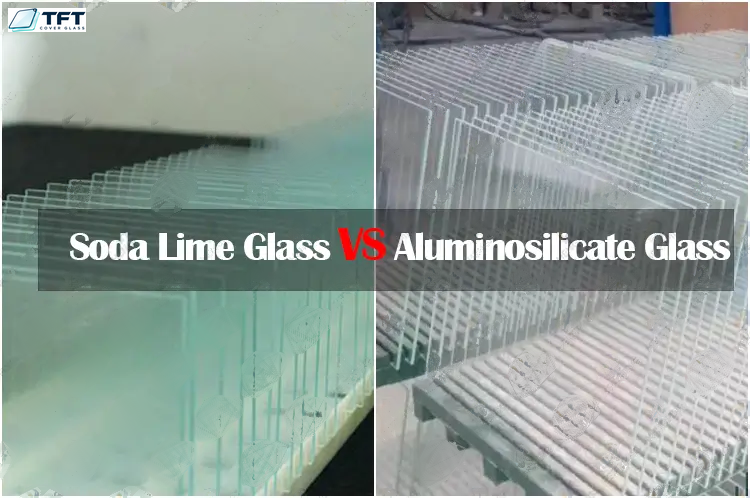
This article delves into the fascinating world of cover glass as it pertains to display and touchscreen technologies. We will explore two dominant glass types in this arena – aluminosilicate glass and soda lime glass – examining their unique chemical compositions, comparing their strengths and weaknesses, and highlighting key manufacturers. Ultimately, this guide aims to equip you with the knowledge to confidently select the ideal glass for your specific display needs.Diving into Chemistry: Aluminosilicate vs. Soda Lime
While various glass formulations exist, the display industry primarily leverages two main contenders, each defined by its chemical makeup.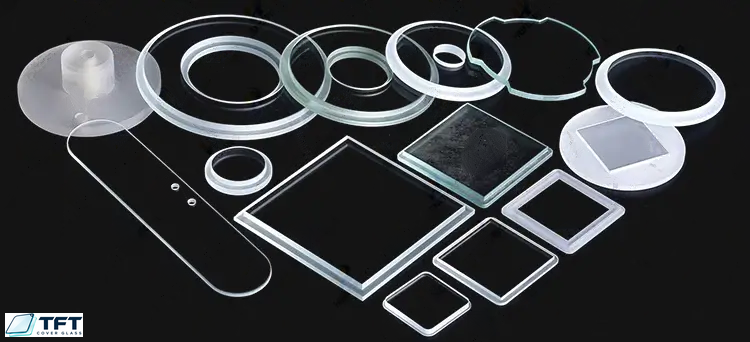
Aluminosilicate Glass: The Robust Contender
Characterized by the addition of aluminum oxide (Al2O3) and often magnesium oxide (MgO) to the silica base, aluminosilicate glass stands as a champion of durability. This fortified composition delivers a remarkable blend of attributes:- Exceptional Strength: Significantly more resistant to scratches and impacts compared to its soda lime counterpart.
- Thermal Stability: Capable of withstanding higher temperatures and rapid temperature shifts without warping or deforming.
- Chemical Resistance: Exhibits greater resilience against chemicals and moisture.
Soda Lime Glass: The Economical Workhorse
Representing the most common type of glass, soda lime glass gets its name from the addition of sodium carbonate (soda ash) and calcium oxide (lime). While not as inherently strong as aluminosilicate, it holds a dominant position in the market due to:- Cost-Effectiveness: Significantly more economical to produce compared to aluminosilicate glass.
- Good Light Transmission: Offers excellent clarity and light transmission, crucial for display quality.
- Ease of Processing: Can be readily shaped and formed into various designs.
A Head-to-Head Comparison: Unveiling the Differences
To fully grasp the strengths and weaknesses of each glass type, let’s examine their key performance aspects side-by-side:
| Feature | Aluminosilicate Glass | Soda Lime Glass |
| Strength | Very high | Moderate |
| Scratch Resistance | Excellent | Good |
| Impact Resistance | Excellent | Fair |
| Thermal Stability | Excellent | Good |
| Chemical Resistance | Very good | Fair |
| Light Transmission | Good | Excellent |
| Cost | High | Low |
| Applications | High-end displays, cover glass | Mainstream displays, basic touchscreens |
Exploring the Key Players in the Manufacturing Sector
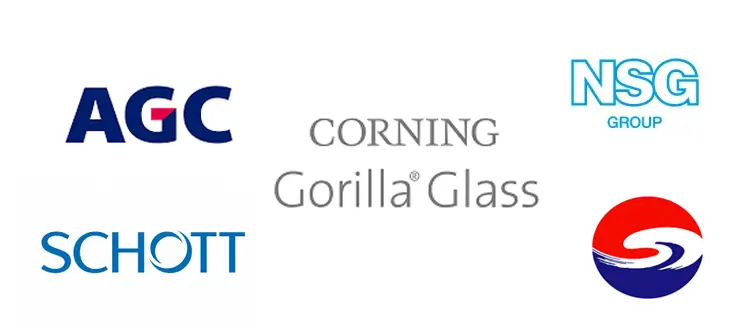
Both aluminosilicate and soda lime glass are manufactured by a global network of companies, each contributing its own innovations and expertise.
Aluminosilicate Glass Manufacturers:
-
Corning: Renowned for its Gorilla Glass series, widely recognized for setting the benchmark in mobile device cover glass.
-
AGC (Asahi Glass Co.): Produces Dragontrail glass, another prominent player in the high-strength cover glass market.
-
Schott AG: Develops specialized aluminosilicate glass solutions for various industries, including display technologies.
Soda Lime Glass Manufacturers:
-
AGC (Asahi Glass Co.): A major player in the glass industry, offering a wide range of products including soda-lime glass for displays.
-
NSG (Nippon Sheet Glass): A global leader in the glass industry, supplying high-quality soda-lime glass for various applications, including displays.
-
Central Glass: A leading provider of specialty glass, including soda-lime glass used in LCD and touchscreen displays.
Selecting the Right Glass Material for Your Display Requirements
The selection of the ideal glass substrate hinges on several factors, including the intended application, desired durability, and budget constraints.
Aluminosilicate Glass
-
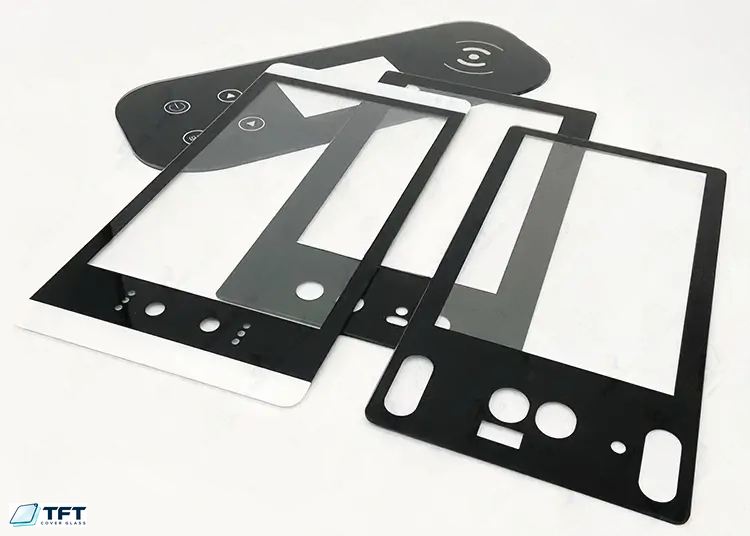
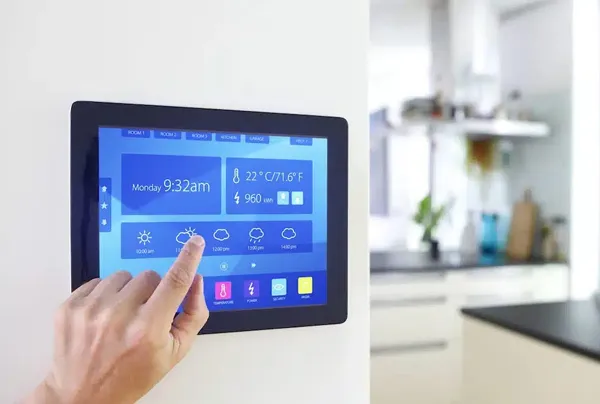
Ideal for devices demanding exceptional scratch and impact resistance, such as smartphones, tablets, interactive kiosks, wearables, smart home switch panel, medical devices;
-
Suited for environments with potential exposure to temperature fluctuations, moisture, or chemicals, such as ATMs, outdoor equipment and instrument, charging pile cover glass or industrial control panels;
Soda Lime Glass
-
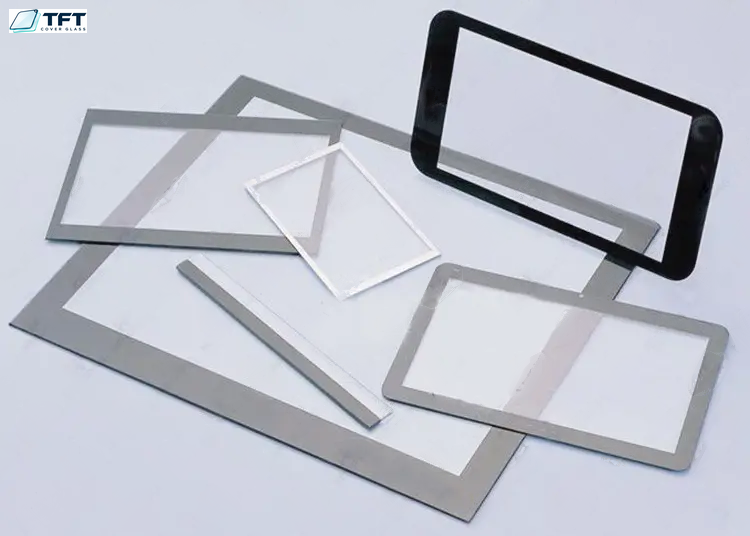
Suitable for mainstream displays where extreme durability is not paramount, such as entry-level smartphones, televisions, and monitors.
-
A cost-effective option for applications with a greater emphasis on affordability over extreme robustness.
Beyond Smartphones: Aluminosilicate Glass Expands its Reach
While renowned for its dominance in the smartphone and tablet market, aluminosilicate glass is rapidly breaking free from these confines, venturing into new and exciting applications that demand its unique blend of strength and resilience.
- Foldable Displays: The Future Unfolds
The advent of foldable devices hinges on the development of robust, yet flexible display technologies. Aluminosilicate glass, with its inherent strength, is being engineered at increasingly thinner profiles, making it a prime candidate for foldable phone cover windows. These ultra-thin glass layers can withstand the repeated stresses of folding and unfolding while maintaining the desired optical clarity.
- Automotive Displays: Gearing Up for Durability
As automotive dashboards become increasingly sophisticated, incorporating larger, more interactive displays, the need for durable glass solutions rises. Aluminosilicate glass is well-suited for this demanding environment, capable of withstanding the rigors of vibration, temperature extremes, and potential impacts.
- Wearable Technology: A Shield for the Wrist
Smartwatches and fitness trackers are subjected to constant wear and tear. Aluminosilicate glass provides the necessary scratch and impact resistance for these wearable displays, ensuring longevity and maintaining a sleek appearance.
- Outdoor Devices: Weathering the Elements
As technology continues its relentless advancement, so too will the development of advanced cover glass solutions. Aluminosilicate glass, with its expanding repertoire of applications, stands poised to play a pivotal role in shaping the future of displays and beyond. Its exceptional durability, coupled with ongoing innovations in thinness and flexibility, positions it as a frontrunner in the quest for more robust, versatile, and visually stunning glass products.
Conclusion



 EN
 FR
 DE
 ES
 PT
 IT
 NL
 DA
 RU
 AR
 TR
 JA
 KO
 ID
 UK
 TH
 VI
 PL
 MS
 ET
 EL